Late payment is a persistent issue in business operations, adversely affecting cash flow, financial planning, and corporate reputation. A thorough understanding of the applicable legal framework, together with effective preventive and remedial measures, is essential.
Late payment is a persistent issue in business operations, adversely affecting cash flow, financial planning, and corporate reputation. A thorough understanding of the applicable legal framework, together with effective preventive and remedial measures, is essential.
I. Current situation of late payments
In commercial activities, late payment remains a complex and widespread issue, directly impacting cash flow and the operational capacity of enterprises, particularly small and medium-sized enterprises. The causes of such a situation may arise from various factors, including:
- Financial difficulties of the partner: The partner encounters financial matters and is unable to make payment on time.
- Deliberate delay or capital appropriation: The partner intentionally prolongs the payment timeline to appropriate the enterprise’s capital.
- Complicated payment procedures: Complicated procedures and multiple intermediaries cause delays in the payment process.
- Lack of cooperative goodwill: The partner fails to cooperate in resolving payment-related issues.
- Arising disputes: Disputes regarding the quality of goods, services, or other contractual terms.
II. Can late payment affect business relationships?
Late payment not only results in financial losses but also seriously affects the business relationship between the parties. It may lead to:
- Loss of trust: Customers or partners may lose confidence in long-term cooperation.
- Disruption of supply chains: Late payment affects the seller’s ability to supply goods/services.
- Increased costs: Parties may incur additional expenses such as late payment interest or litigation costs.
- Loss of business opportunities: Disrupted cash flow may cause enterprises to miss investment or cooperation opportunities.
- Legal disputes: Late payment may result in litigation, thereby damaging business relationships.
III. Legal provisions related to payment obligations
Late payment is a common issue in commercial practice. This section analyzes whether late payment is subject to sanctions, essential contractual provisions to mitigate risks, and the right to suspend service provision in case of delayed payment.
1. Is late payment subject to legal penalties?
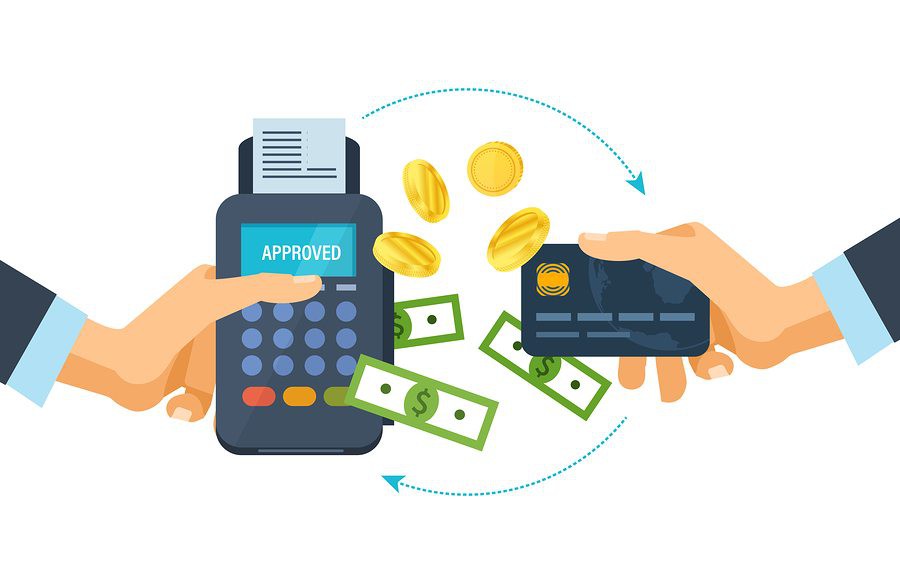
Late payment may be subject to sanctions under Vietnamese law. Specifically, liability for interest arising from delayed payment is regulated as follows:
- Article 357 of the Civil Code 2015 provides for liability arising from late performance of payment obligations, whereby the obligor must pay interest on the overdue amount corresponding to the period of delay.
- Article 468 of the Civil Code 2015 governs interest rates, stipulating that interest arising from late payment shall be determined based on agreement or statutory provisions.
- Article 306 of the Commercial Law 2005 provides for the right to claim interest on late payment in contracts for the sale of goods, whereby the injured party is entitled to request the breaching party to pay interest on the overdue amount.
Additionally, contracts for the sale of goods or provision of services may stipulate contractual sanctions for late payment, and the parties have the right to agree on such sanction levels.
2. What contractual clauses should be included to prevent late payment?
To mitigate the risk of late payment, contracts should clearly provide for the following:
- Payment deadline: Specifying the payment timeline, such as the number of days from delivery, service acceptance, or invoice issuance.
- Method of payment: Agreeing on payment methods (bank transfer, cash, etc.) and banking details.
- Late payment interest: Clearly stipulating the interest rate applicable to overdue amounts, which may refer to the base rate announced by the State Bank.
- Contractual sanctions: Providing for sanctions in case the buyer fails to pay on time. The level must be reasonable and compliant with applicable laws (refer to Article 418 of the Civil Code 2015).
- Rights of the seller: Specifying the seller’s rights to suspend service provision, claim damages, or terminate the contract upon the buyer’s breach of payment obligations.
- Dispute resolution mechanism: Agreeing on dispute resolution methods (negotiation, mediation, arbitration, court) and the competent authority.
3. Can I suspend service provision if the customer makes late payment?
If the contract stipulates the service provider’s right to suspend or terminate the contract upon the other party’s breach of payment obligations, you are entitled to suspend service provision.
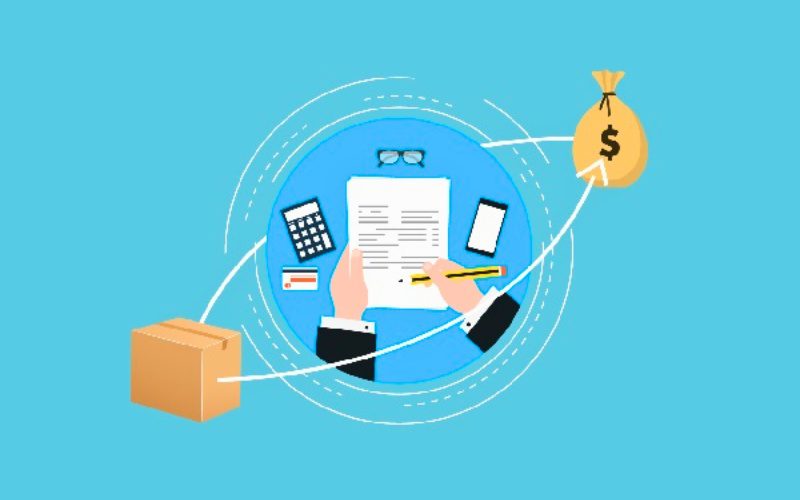
However, you must comply with the notification requirements prior to such suspension or termination, in accordance with applicable laws and contractual agreements (refer to Article 423 of the Civil Code 2015 on contract cancellation or Article 428 on unilateral termination).
4. Is there any maximum time limit for late payment?
Vietnamese law does not prescribe a specific maximum period for late payment in contracts for the sale of goods or provision of services. Instead, the payment timeline and related terms are primarily determined based on:
- Agreement between the parties: The parties are free to agree on payment deadlines, methods, interest rates, and other remedial measures. It is the most critical factor in determining rights and obligations.
- Commercial practices: In the absence of contractual provisions, prevailing trade practices in the relevant sector may be applied pursuant to Article 13 of the Commercial Law 2005.
- Legal provisions on performance deadlines: Where neither agreement nor trade practice exists, general provisions of the Civil Code 2015 may be considered, particularly Article 278 regarding the obligation to perform on time, with the correct subject matter, quantity, and quality. However, these provisions are not specifically tailored for commercial contracts and must be applied cautiously.
IV. Measures to address late payment in contracts
To prevent and remedy late payment, the parties may adopt the following measures:
- Clearly defining payment terms: Contracts should specify payment timelines, methods (bank transfer, cash, L/C), currency, place of payment, and other relevant conditions.
- Providing for late payment interest: It needs to clearly stipulate the applicable interest rate for overdue amounts, serving as a basis for damage claims. Such rate must not exceed the statutory cap under Article 468 of the Civil Code 2015.
- Applying security measures: It should ensure the buyer’s payment capacity, the seller may require security measures such as collateral, third-party guarantees, or deposits, as provided under Chapter XV, Part Three of the Civil Code 2015.
- Implementing reminder measures: The seller should monitor payment status and issue reminders prior to due dates. In case of delay, direct communication should be established to identify causes and agree on solutions.
- Engaging debt recovery services: In cases of deliberate non-payment, enterprises may engage law firms or professional debt recovery organizations.
- Initiating legal proceedings: It is the last resort when other measures fail. Adequate documents and evidence must be prepared to substantiate contractual breaches and actual damages.
V. Questions on late payment
This section addresses common concerns relating to late payment, including dispute resolution authority, common causes, handling in public service contracts, impact on insurance, and liability in cases involving intermediary banks.
1. Which authority has jurisdiction over disputes arising from late payment?
Jurisdiction depends on the parties’ agreement and chosen dispute resolution method:
- Negotiation and mediation: The parties may negotiate or engage a third party for mediation, in compliance with Article 4 of Decree No. 22/2017/ND-CP on commercial mediation, which requires voluntariness, equality, good faith, objectivity, confidentiality, and respect for party autonomy.
- Commercial arbitration: Where an arbitration agreement exists, disputes shall be resolved at an agreed arbitration center under the Law on Commercial Arbitration 2010.
- Court: In the absence of a valid arbitration agreement, disputes may be brought before the competent People’s Court in accordance with Articles 35 and 39 of the Civil Procedure Code 2015 (as amended in 2025).
2. What are common causes of late payment in commercial contracts?
Late payment may arise from various objective and subjective factors, including:
- Financial difficulties of the buyer: Reduced revenue, increased costs, limited access to financing, or delayed payments from other partners.
- Force majeure: Natural disasters, pandemics, fires, or political and economic instability disrupting business operations.
- Dissatisfaction with goods/services: The buyer delays or refuses payment due to dissatisfaction with quality.
- Complex payment procedures: Administrative burdens and intermediary processes causing delays.
- Lack of goodwill: Intentional delay to appropriate capital or exert pricing pressure.
- Contractual disputes: Disagreements over price, quantity, quality, or other contractual terms.
3. How is late payment in public service contracts handled?
Late payment in public service contracts is governed by laws on public procurement, state capital management, and related regulations. Measures may include:
- Payment reminders: Issuance of formal notices urging timely payment.
- Late payment interest: The service provider may claim interest under contractual terms or applicable laws (Articles 357 and 468 of the Civil Code 2015).
- Suspension or termination: In case of serious breach, the contract may be suspended or terminated in accordance with legal and contractual provisions.
- Legal proceedings: Initiation of court or arbitration proceedings where necessary.
- Administrative sanctions: Violations related to state capital management may be subject to administrative fines under Decree No. 63/2019/ND-CP.
4. How does late payment affect insurance benefits?
Late payment of insurance premiums may significantly affect insurance benefits, as regulated under the Law on Insurance Business 2022:

- Unilateral termination rights (Article 26): The insurer may terminate the contract if the buyer fails to accept risk adjustments or implement safety measures.
- Consequences of termination (Article 27): The buyer loses insurance coverage and is not entitled to indemnity upon occurrence of insured events. Refund policies depend on contract type and agreement.
- Temporary suspension of coverage: During the extension period, claims may be denied if stipulated in the contract.
- Interest on late payment (Article 31): Insurers must pay interest for delayed indemnity payments as agreed or as prescribed by law.
5. How is liability determined if late payment is caused by an intermediary bank?
In cases where late payment results from an intermediary bank’s fault:
- Determination of fault: The affected party must prove that the delay was caused by the bank (e.g., system errors or operational mistakes).
- Compensation for damages: The injured party may claim compensation under Article 584 of the Civil Code 2015.
- Extent of damages: Compensation includes actual and direct losses such as accrued interest, communication costs, and legal fees, as determined under Article 585 of the Civil Code 2015.
- Obligation of the payer: The payer remains responsible for fulfilling payment obligations to the beneficiary, but may seek recourse against the intermediary bank.
VI. Are you looking for legal counsel on late payment issues?
If you are facing late payment issues and require professional legal advice, contact NPLaw today.
NPLaw provides comprehensive legal services to assist clients in:
- Assessing legal risks in commercial transactions.
- Drafting robust contracts to protect parties’ interests.
- Collecting evidence and implementing effective debt recovery measures.
- Representing clients in negotiation, mediation, or dispute resolution before courts or arbitration tribunals.