What is a warehouse lease contract? Nowadays, the use of warehouse lease services is becoming more popular among enterprises because enterprises do not need to spend time building a warehouse and can start production immediately. Please follow the article below to learn more.
What is a warehouse lease contract? Nowadays, the use of warehouse lease services is becoming more popular among enterprises because enterprises do not need to spend time building a warehouse and can start production immediately. Please follow the article below to learn more.
I. Situation of warehouse lease contracts
The demand for leasing warehouse space is increasing due to the development of the industrial and service sectors. The warehouse lease market is diverse, offering various types, sizes, and price ranges.

II. Legal regulations on warehouse lease contracts
1. Contents to be included when drafting the warehouse lease contract
Pursuant to Articles 472 to 482 of the Civil Code 2015, contents that must be included when drafting the warehouse lease contract are:
- Legal information of the lessor and lessee: Name, address, contact phone number, ID number, etc. If it is a company, the company name, tax code, etc., are required.
- Rental price and related fees (such as transportation, goods management, insurance fees, etc.)
- Payment method
- Lease term and contract renewal method
- Responsibilities and benefits of both parties
- Dispute resolution in case of breaching contract by either party
- Signatures and seals of both parties
- When signing the warehouse lease contract, carefully read the above terms. If there are any questions or issues, they should be addressed immediately to avoid future complications.
2. Is the use purpose a mandatory requirement in the warehouse lease contract?
The purpose of use is a mandatory requirement in the warehouse lease contract. Clearly defining the purpose of use helps establish binding terms between the parties regarding how the warehouse will be used.
Specifying the purpose of use ensures that:
- The lessee uses the warehouse strictly for the agreed-upon purpose.
- The lessor can monitor and supervise the warehouse's usage.
- It prevents the warehouse from being used for illegal activities or operations that may negatively impact the surrounding environment.
3. Important considerations when drafting the warehouse lease contract
- Equipment and items handed over
The warehouse lease contract typically includes a detailed list of equipment and items handed over, such as electrical systems, water systems, and production-related equipment. Enterprises must ensure that all handed-over equipment remains intact and complete as stated in the contract for a pre-built warehouse. This is a crucial step that enterprises should thoroughly check before finalizing the handover process.
- Deposit amount and refund terms
The contract also clearly states the deposit amount that enterprises must pay in advance. It specifies how the deposit will be paid. It is necessary to clearly define that the deposit is not money used to pay for rental fees. If the enterprise fulfills the agreement, the deposit will be returned when the enterprise terminates the warehouse lease contract. The deposit amount can be large or small depending on each different unit.
- Warehouse lease duration
Before making a deposit, enterprises should be aware of the exact lease duration. It is essential to verify that the agreed-upon lease term is correctly stated in the contract. If the enterprise decides to cease operations before the contract expires, the deposit will be forfeited to the leasing company. Upon contract expiration, enterprises can extend the lease if they wish to continue using the warehouse for their operations.

III. Common questions about warehouse lease contracts
1. Can subleasing be agreed upon in a warehouse lease contract?
Based on Article 475 of the Civil Code 2015, the lessee has the right to sublease the leased property if the lessor agrees. This means that the parties can negotiate a subleasing clause in a warehouse lease contract. If included, it serves as a legal basis for the lessee to sublease the property.
2. Is restoring the warehouse to its original condition a mandatory requirement in the lease contract?
Restoring the warehouse to its original condition is an important clause but not an absolute requirement when drafting the lease contract. This is because:
- The obligation to restore the warehouse depends on the agreement between the landlord and the tenant.
- The contract may specify clear terms regarding restoring responsibilities, including:
+ Extent of restoration: Whether the tenant must restore the warehouse to its original condition or only repair damages caused.
+ Restoration deadline: A specific timeframe for the tenant to complete the restoration.
+ Restoration costs: Determining who will bear the cost of restoring the warehouse.
3. Can the landlord increase the rental fee after renovating the warehouse?
Pursuant to Clause 2, Article 129 of the Housing Law 2014 regarding lease duration and rental fee:
- If the lease contract has not expired and the lessor renovates the property with the lessee’s consent, the lessor has the right to adjust the rental fee. A new rental fee must be mutually agreed upon an agreement. If it isn’t reached, the lessor has the right to unilaterally terminate the lease but must compensate the lessee as per legal regulations.
Thus, after renovating the warehouse, the lessor is allowed to increase the rent. However, the specific amount should be negotiated between the parties.
4. How is unilateral termination of the warehouse lease contract handled?
Pursuant to Article 428 of the Civil Code 2015, which regulates unilateral contract termination and its consequences:
- A party has the right to unilaterally terminate the contract without compensation if the other party seriously breaches contractual obligations, if both parties have agreed on such terms, or if the law provides for it.
- The party unilaterally terminating the contract must immediately notify the other party. Failure to do so, resulting in damages, will require compensation.
- When a contract is unilaterally terminated, it ceases to be in effect from the moment the other party receives a termination notice. Neither party is required to continue fulfilling obligations, except for fines, damage compensation, and dispute resolution agreements. The party that has already performed its obligations can demand payment for the completed obligations.
- The party suffering losses due to the other party’s failure to fulfill contractual obligations is entitled to compensation.
- If the unilateral termination does not have a legal basis as specified in Clause 1 of this Article, the terminating party is considered to be in breach of the contract and must fulfill civil liabilities as stipulated by this Code and other relevant laws.
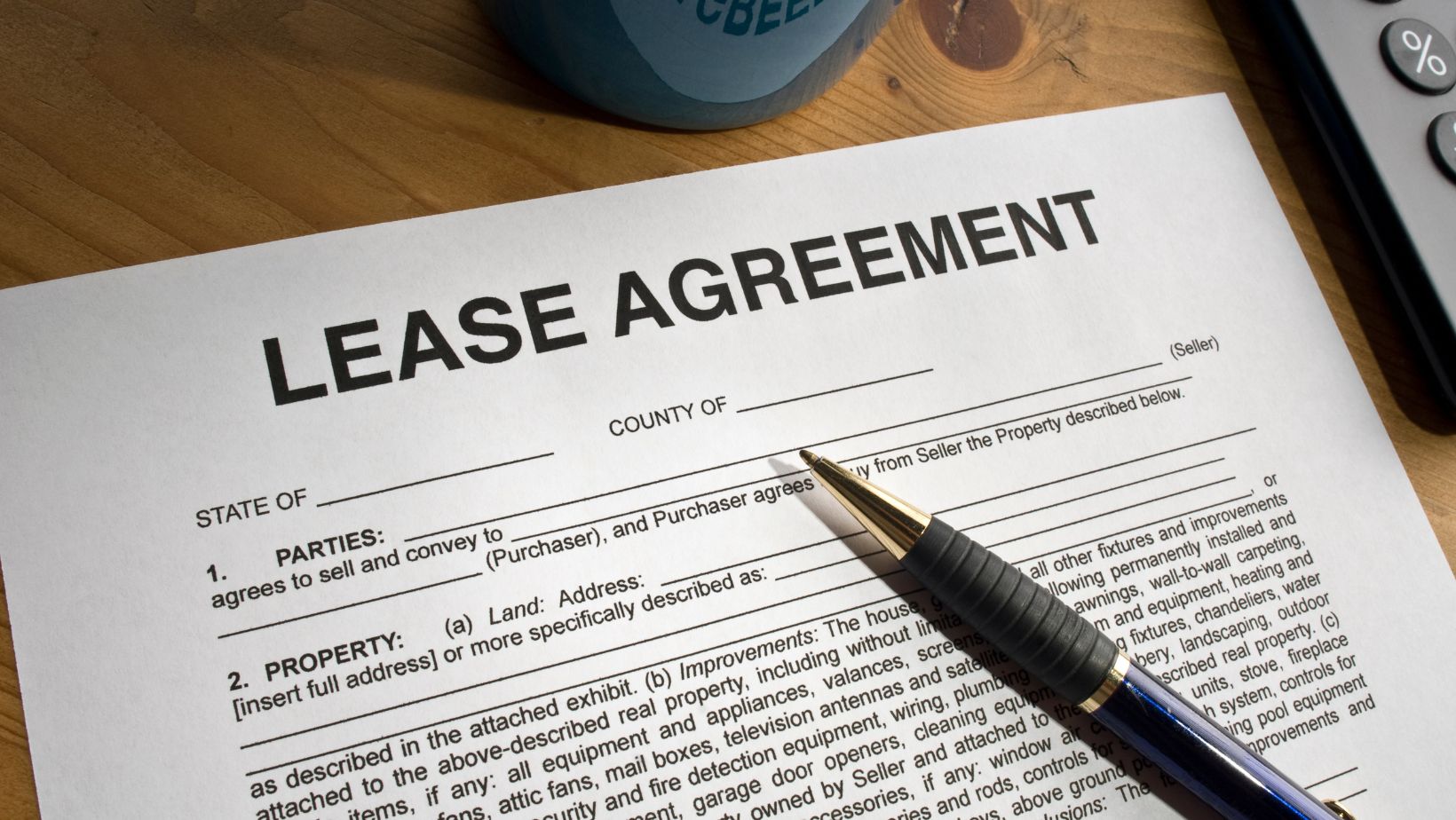
5. Is the lessor obligated to maintain the warehouse if its deterioration causes damage to the lessee’s goods?
Pursuant to Clause 3, Article 493 of the Civil Code 2015, the lessor is responsible for regularly maintaining and repairing the warehouse. If its failure results in damage to the lessee, the lessor must compensate for the loss.
However, under Clause 3, Article 495 of the same Code, the lessee is responsible for repairing any damage caused by their own actions.
Thus, if the warehouse naturally deteriorates over time, the lessor is responsible for repairs. If the damage is caused by the lessee’s actions, the lessee must take responsibility for repairs.
The above information includes necessary aspects of warehouse lease contracts. For further assistance or understanding legal regulations on warehouse leasing, please contact NPLaw for consultation from our team of experienced lawyers and legal experts.