Disputes over the right to access data within software are becoming increasingly common as enterprises rely more heavily on digital systems. Determining who is entitled to access data, the scope of data usage, and the extent of control over such data not only affects day-to-day operations but also entails significant legal risks. The following article provides a clear understanding of the nature of these disputes, the relevant legal framework, and effective solutions to safeguard lawful rights and interests.
I. Current situation of disputes over the right to access data within software
At present, disputes over the right to access data within software are growing more complex due to enterprises’ substantial dependence on digital systems and operational data. Many disputes arise when software providers restrict access rights, lock data, or unilaterally alter access conditions in breach of contractual agreements, while users demand comprehensive control over their own data. Ambiguities in contracts and discrepancies in defining the scope of access rights are the primary factors contributing to the increasing number of disputes.
II. What are disputes over the right to access data within software?
In the context of increasing reliance on digital data, understanding the nature of disputes over the right to access data within software is particularly important before examining their causes and resolution mechanisms.
1. Concept of disputes over the right to access data within software
Disputes over the right to access data within software refer to conflicts arising when parties fail to reach consensus on who is entitled to access data, the level of access, and the scope of use of data stored within software systems.

Such disputes may involve management rights, ownership rights, rights to export or save data, or the technical permissions granted to either the software provider or the user. These disputes commonly arise when contracts lack clear provisions or when one party unilaterally alters access rights contrary to the agreed terms.
2. Circumstances giving rise to disputes over the right to access data within software
In practice, disputes over software data access rights often stem from common situations relating to the rights and obligations of the parties, including:
- Restriction or unilateral alteration of access rights in breach of agreement: The provider changes access rights without the user’s consent.
- Use beyond the permitted scope: The user accesses, copies, or modifies data beyond the authorized scope.
- Ambiguous contractual provisions: Clauses governing data ownership, management rights, and access scope are insufficiently detailed.
- Changes in access or security policies: One party implements new policies without proper notice or mutual consent.
These circumstances are the main causes of conflicts, operational disruption, and the need for timely and lawful dispute resolution.
3. Methods of resolving disputes over the right to access data within software
When disputes over software data access arise, the parties should apply measures that both protect their interests and comply with the law, in accordance with Article 317 of the Commercial Law 2005.
- Negotiation and mediation: The initial step is for the parties to engage in agreement to adjust access rights, restore data, or agree on the scope of data usage.
- Commercial arbitration: where an arbitration agreement exists, the parties may submit the dispute to arbitration for expeditious and professional resolution.
- Court litigation: if negotiation or arbitration fails, the competent court will resolve the dispute based on contractual provisions and legal regulations governing data ownership and usage rights.
- Application of interim urgent measures: Where immediate data protection is required, the parties may request the court or arbitral tribunal to apply provisional measures such as maintaining access rights, freezing data, or restricting system modifications.
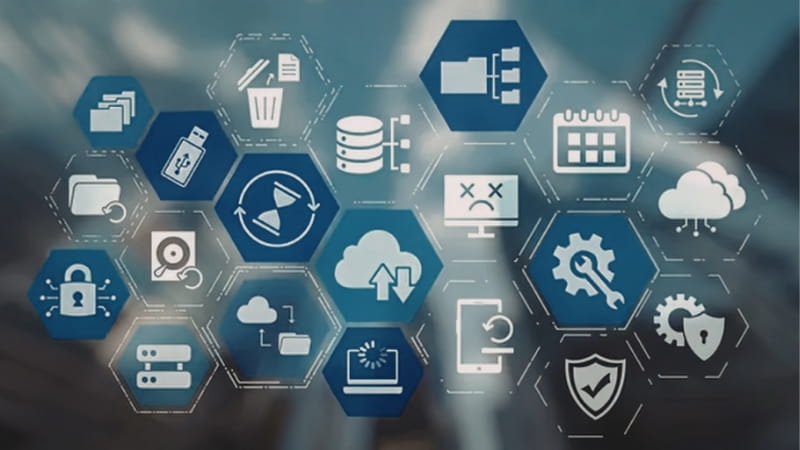
The coordinated application of these measures facilitates effective dispute resolution, protects lawful rights and interests, and ensures data is managed in compliance with the law.
III. Legal provisions relating to disputes over the right to access data within software
To resolve disputes over software data access effectively, it is essential to understand the applicable legal provisions. These regulations define the rights and obligations of the parties, the scope of data access, and mechanisms for handling violations, thereby mitigating risks and safeguarding legitimate interests.
1. Relevant regulations in resolving disputes over the right to access data within software
A thorough understanding of relevant legal provisions provides an essential basis for effectively handling disputes over the right to access data within software and ensuring the rights and obligations of both providers and users.
- Law on Intellectual Property 2005 (as amended and supplemented in 2009, 2019, and 2022) – Article 47 (as amended by Clause 13 Article 1 of the 2022 Amended Law on Intellectual Property): When transferring the right to use copyright, including software licensing, the contract must clearly stipulate the scope of access rights, the rights and obligations of the parties, and methods for handling violations.
- Commercial Law 2005 – Article 297: Stipulating the obligation to properly perform contracts; users are entitled to require providers to fully comply with agreed access rights under the contract.
- Commercial Law 2005 – Article 301: Providing for contractual sanctions, with a maximum of 8% of the value of the breached obligation, where the parties agreed in advance, it is applicable to violations of data access rights.
2. Authority competent to resolve disputes over the right to access data within software
Jurisdiction over disputes concerning software data access rights depends on the parties’ agreement in the contract. Where an arbitration agreement exists, disputes shall be resolved by commercial arbitration in accordance with the Law on Commercial Arbitration 2010, ensuring prompt and professional handling.

In the absence of a valid arbitration agreement, the competent court shall adjudicate the dispute. During the resolution process, the parties may request the court to apply urgent measures such as freezing data, maintaining access rights, or restricting system changes to protect their lawful interests.
3. Consequences if disputes over the right to access data within software are not resolved
Failure to resolve disputes over software data access in a timely and effective manner may expose enterprises to serious consequences.
- Operational disruption: Restricted access or prolonged disputes may paralyze operational processes, adversely affecting production, business activities, and customer services.
- Legal risks: Unauthorized data use or infringement of the other party’s access rights may result in litigation, contractual sanctions, or legal measures.
- Reputational and financial losses: Data incidents or prolonged disputes erode trust among customers and partners, while generating costs for dispute resolution and compensation.
Accordingly, clearly defining access rights, implementing preventive measures, and resolving disputes promptly are essential to protect interests and maintain stable business operations.
IV. Questions regarding disputes over the right to access data within software
1. How is information security assessed in disputes over the right to access data within software?
Information security is a main criterion in resolving disputes over software data access. The dispute resolution authority will examine the level of data protection, technical measures, and security policies applied by the provider, as well as assess whether the user has complied with regulations on security, access scope, and data usage.
Such an assessment helps determine each party’s responsibility, potential damages, and the legal or contractual measures applicable to protect data and legitimate interests.
2. Does changing access policies give rise to disputes over the right to access data within software?
Unilateral changes to access policies without the user’s consent are often a direct cause of disputes. Such changes may relate to access scope, rights to save/store, data export rights, or other technical restrictions.
Where new policies conflict with the contract or original agreement, the affected party is entitled to file complaints or request dispute resolution to protect its lawful access rights.
3. Who takes responsibility for data storage and recovery in disputes over the right to access data within software?
In disputes over software data access, the software provider generally takes responsibility for ensuring data storage and recovery in accordance with contractual agreements.
At the same time, users are responsible for complying with security and access regulations and performing data saves when required. Clearly defining responsibilities for data storage and recovery is a crucial basis for dispute resolution, damage prevention, and protection of both parties’ lawful interests.
4. Can exceeding permitted access rights lead to disputes over the right to access data within software?
Exercising access rights beyond the permitted scope is a common cause of disputes. When users access, copy, or modify data beyond their authorized rights, providers are entitled to file complaints or claim compensation in accordance with the contract and the law. Such conduct not only breaches agreements but also creates security risks and potential data loss, aggravating disputes if not promptly addressed.
5. How is the statute of limitations determined in disputes over the right to access data within software?
The statute of limitations for initiating claims in disputes over software data access is determined in accordance with Article 429 of the Civil Code 2015 and the contractual agreement between the parties. Generally, the limitation period is three years from the date on which lawful rights or interests are infringed.
Correctly identifying the commencement of the limitation period is critical, as expiration of the period results in the loss of the right to request dispute resolution by a court or arbitral tribunal.
V. Seeking reputable legal counsel for disputes over the right to access data within software
If you are facing disputes over software data access, such as restricted access, locked data, or breaches of access agreements, engaging specialized legal counsel is of utmost importance. NPLaw is a reputable option with experience in cases involving software contracts, data ownership rights, and information security.
The above information is provided for reference purposes only. For detailed advice tailored to specific circumstances, please contact NPLaw Law Firm for prompt consultation.