Currently, the transfer of technology from abroad into Vietnam is a matter of considerable interest. So, what exactly regulates the transfer of technology from abroad into Vietnam? In which cases is such transfer restricted? NPLaw will provide necessary information in the following article.
Currently, the transfer of technology from abroad into Vietnam is a matter of considerable interest. So, what exactly regulates the transfer of technology from abroad into Vietnam? In which cases is such transfer restricted? NPLaw will provide necessary information in the following article.
I. Current situation regarding technology transfer from abroad into Vietnam
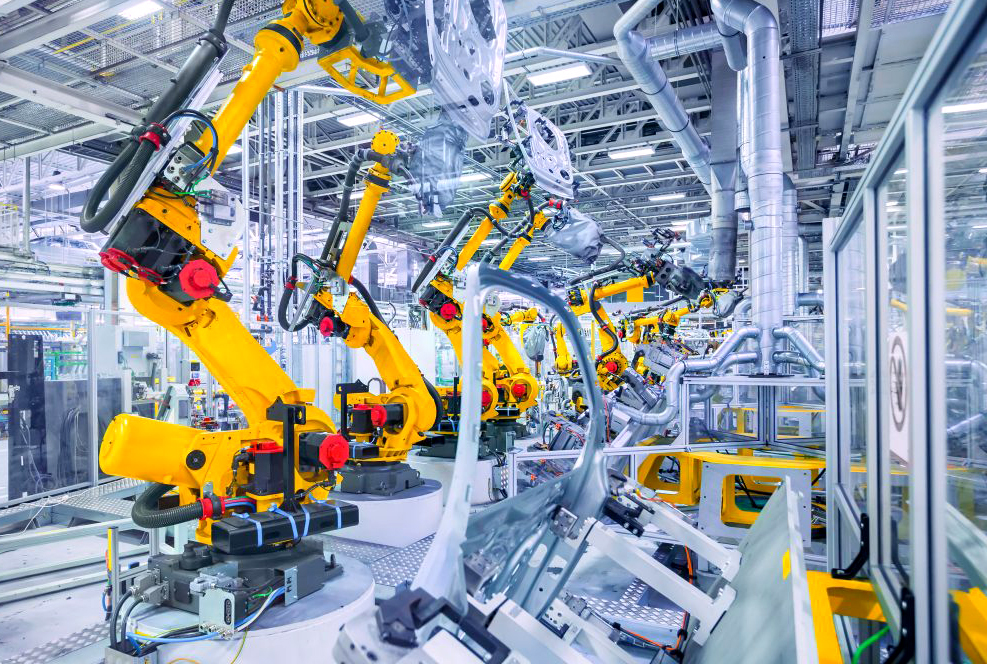
The technology transfer has been appearing frequently in recent years and is attracting public attention significantly. In the context of international integration and economic development, technology transfer plays an important role in global economic growth, particularly for countries undertaking industrialization and modernization, such as Vietnam.
Vietnam has implemented various policies and strategies to enhance the efficiency of foreign technology transfers into the country. Researching and formulating such policies and strategies in each sector and field is considered a decisive factor to ensure rapid and sustainable development.
II. Legal provisions on technology transfer from abroad into Vietnam
1. Definition of technology transfer from abroad into Vietnam
Pursuant to Clause 9, Article 2 of the Law on Technology Transfer 2017:
- Technology transfer from abroad into Vietnam means the transfer of technology is from cross-border into the territory of Vietnam.
2. Entities allowed to transfer technology from abroad into Vietnam
Pursuant to Article 7 of the Law on Technology Transfer 2017, the entities allowed to conduct such transfers include:
- Technology owners who have the right to assign ownership rights or transfer use rights of the technology.
- Organizations and individuals entitled to use the technology may transfer the use right of such technology to other organizations or individuals with the technology owner’s consent.
- The scope of transferring technology use rights shall be subject to the parties’ agreement, including:
+ Exclusive or non-exclusive rights to use the technology;
+ The right to re-transfer technology use rights to a third party.
3. Subjects and forms of technology transfer from abroad into Vietnam
a. Subjects of transfer (Article 4, Law on Technology Transfer 2017):
- Technical know-how and technological know-how;
- Technological plans and processes; technical solutions, specifications, drawings, and diagrams; formulas, computer software, and data information;
- Solutions for production rationalization, and technological innovation;
- Machinery and equipment accompanied by any of the above-mentioned subjects.
b. Forms of transfer (Article 5, Law on Technology Transfer 2017):
- Independent technology transfer;
- Technology transfer as part of:
- Investment projects;
- Capital contribution in the form of technology;
- Franchise agreements;
- Transferring Intellectual Property rights;
- Purchase or sale of machinery and equipment accompanied by:
+ Technical know-how, technological know-how;
+ Technological plans and processes; technical solutions, specifications, drawings, and diagrams; formulas, computer software, and data information;
+ Solutions for production rationalization, and technological innovation; - Other forms permitted by law.
4. List of technologies restricted from transfer into Vietnam
Pursuant to Point b, Clause 1, Article 3 of Decree No. 76/2018/NĐ-CP, the list of technologies restricted from transfer is stated in Annex II issued together with the Decree.
III. Questions regarding technology transfer from abroad into Vietnam
1. Fines for conducting technology transfer without a Technology Transfer Registration Certificate
Pursuant to Article 25 of Decree No. 51/2019/NĐ-CP, technology transfer from abroad to Vietnam without a Technology Transfer Registration Certificate are subject to the following fines:
- Monetary fine: From 30,000,000 VND to 40,000,000 VND for transferring technology from abroad into Vietnam without a valid Technology Transfer Registration Certificate.
- Additional sanctions: Confiscation of infringing goods or means used to commit the administrative violation.
2. Cases in which technology transfer from abroad into Vietnam is restricted.
Pursuant to Clause 1, Article 10 of the Law on Technology Transfer 2017, restricted cases include:
- Technologies, machinery, or equipment associated with technology no longer widely used in developed industrial countries;
- Use of toxic chemicals or creation of hazardous waste meeting national technical regulations;
- Creation of products by genetically modified methods;
- Use or creation of radioactive substances meeting national technical regulations;
- Exploitation of restricted domestic natural resources or minerals;
- Technologies for breeding, raising, or planting new varieties not yet tested;
- Creation of products negatively effective to customs, traditions, and social morality.
3. Fines for transferring prohibited technologies from abroad into Vietnam
Under Clause 2, Article 26 of Decree No. 51/2019/NĐ-CP:
- Monetary fine: From 40,000,000 VND to 50,000,000 VND for transferring technologies on the prohibited list either from Vietnam to abroad or from abroad into Vietnam.
- Remedial measures: Removal of goods, materials, equipment, or means from the territory of the Socialist Republic of Vietnam, or mandatory re-export.
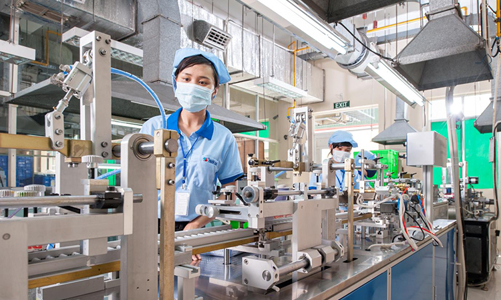
4. Types of clean technologies encouraged for transfer into Vietnam
According to Clause 2, Article 9 of the Law on Technology Transfer 2017, clean technologies suitable to Vietnam’s socio-economic conditions are encouraged if they meet any of the following:
- Creation of higher-quality products with greater competitiveness than those produced by existing similar technologies;
- Production of domestic (national), main, or spearhead products from domestic research and technological development;
- Introduction of new services, industries, or manufacturing processes; and tested new varieties;
- Saving of resources, energy, and materials compared to similar technologies in Vietnam;
- Production or utilization of new and renewable energy; and store high-efficiency energy;
- Production of machinery and equipment to improve education, training, healthcare, and public health;
- Detection, treatment, and forecasting for preventing natural disasters, and epidemics; conducting rescue operations; protecting the environment; adapting to climate change; reducing greenhouse gas emissions;
- Integrated production with high socio-economic efficiency;
- Production of products serving both defense/security and civilian purposes;
- Development and modernizing for traditional handicrafts.
IV. Legal consultancy services on technology transfer from abroad into Vietnam
One of the reputable law firms providing legal services in this sector is Ngoc Phu Law Company Limited (NPLaw). By engaging our services, Clients will receive dedicated assistance from highly qualified and experienced legal experts and attorneys. Clients will be advised on the procedures for addressing issues relating to technology transfer from abroad into Vietnam.
Should you require assistance to safeguard your lawful rights and interests, please contact NPLaw through the following channels: