Currently, the demand for dining and entertainment has become increasingly essential. Among the various business models, restaurants remain a popular choice for entrepreneurs to pursue. However, it is also a highly competitive and challenging industry. This article aims to clarify common questions and provide crucial insights for those intending to enter restaurant businesses.

Currently, the demand for dining and entertainment has become increasingly essential. Among the various business models, restaurants remain a popular choice for entrepreneurs to pursue. However, it is also a highly competitive and challenging industry. This article aims to clarify common questions and provide crucial insights for those intending to enter restaurant businesses.
I. Current situation of restaurant businesses
A wide range of restaurants and hotels are being established and broadly developed to meet customer demands such as accommodation, food and beverage services, and entertainment. However, a major challenge facing restaurant businesses in Vietnam today is the imbalance between supply and demand. Therefore, it is essential for restaurant operators to identify strategies to survive in a fiercely competitive environment while remaining profitable.
II. What does restaurant business mean?
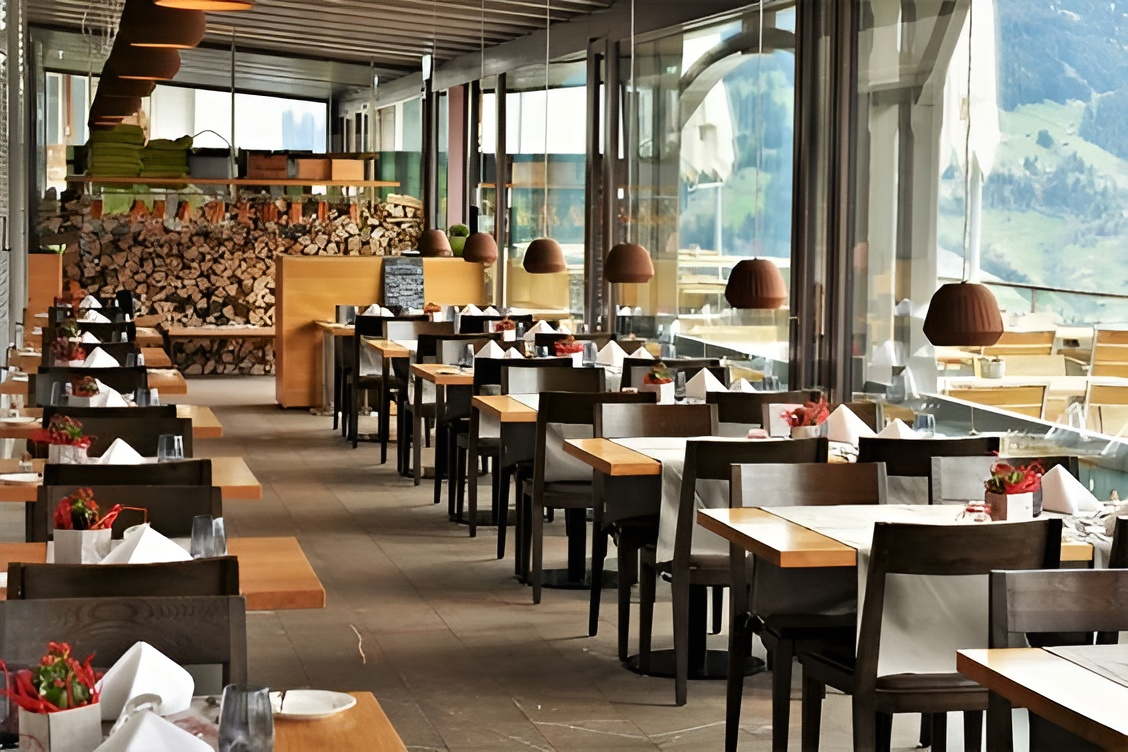
Operating a restaurant (restaurant business) refers to activities involving the preparation, sale, and serving of food and beverages and entertainment purposes, with the ultimate goal of generating profit. In essence, the restaurant business is a type of food and beverage service.
1. Definition of restaurant business
Restaurant business means the operation process of various departments from management, supervision, reception, service staff to cashier. Each department performs a specific role and receives training according to service standards of the restaurant, thereby enhancing service quality and ensuring a positive experience to customers while generating revenue.
2. Industry code for restaurant businesses
According to Decision No. 27/2018/QĐ-TTg, the relevant industry codes for registering a household or business entity in the food service sector are:
|
No. |
Industry Code |
Description |
|
1 |
5610 |
Restaurants and fixed or mobile food service activities. Exclusions: Food franchising activities are classified in group 56290 (Other food services). |
|
2 |
5630 |
Beverage serving services: includes the preparation and serving of drinks at shops/stores or roadside stalls, excluding bar, beverage business with dancing and not operating at headquarters. |
|
3 |
5621 |
Catering services provided under irregular contracts. |
|
4 |
5629 |
Other food services: provided under specific time-bound contracts. |
|
5 |
4633 |
Wholesale of prepared and packaged beverages. |
III. Legal requirements for restaurant businesses under current Vietnamese Law
To legally operate a restaurant, the following licenses and conditions must be met:
1. Business license for food and beverage services
- For household businesses: Register under the category “restaurant,” “eatery,” or “food and beverage service.”
- For companies: Register with the relevant food and beverage business activity.
- For foreign-invested enterprises: Register the project objective as food and beverage supply services.
2. Legal use of business premises (location)
The business must have lawful rights to use the restaurant’s location.
3. Certificate of Food Hygiene and Safety (Certificate of Eligibility for Food Safety)
Businesses must obtain a Certificate of Food Hygiene and Safety from the competent authority.
4. Licenses for alcohol and tobacco sales
If the restaurant sells alcoholic beverages or tobacco, additional licenses are required for those items.
IV. Application dossiers and procedures for the Certificate of Food Hygiene and Safety
1. Required dossiers
- An application for the Certificate of Food Hygiene and Safety.
- Certified copy of the Business Registration Certificate including food-related business activities.
- Description of facilities and equipment ensuring food safety, including:
+ Floor plan and layout of the facility and surrounding area;
+ Flowchart of the food production, storage, or distribution process;
+ Detailed description of equipment and tools used.
- Certificate of food safety training for the owner and food handlers.
- Health certificate for the owner and food handlers.
2. Application procedures
- The organization or individual submits the application to the competent authority.
- Within 15 working days of receiving a valid dossier, the authority will conduct an on-site inspection to assess compliance with food safety standards. If the conditions are met, the certificate will be granted.
3. According to Article 35 of the Law on Food Safety 2010: