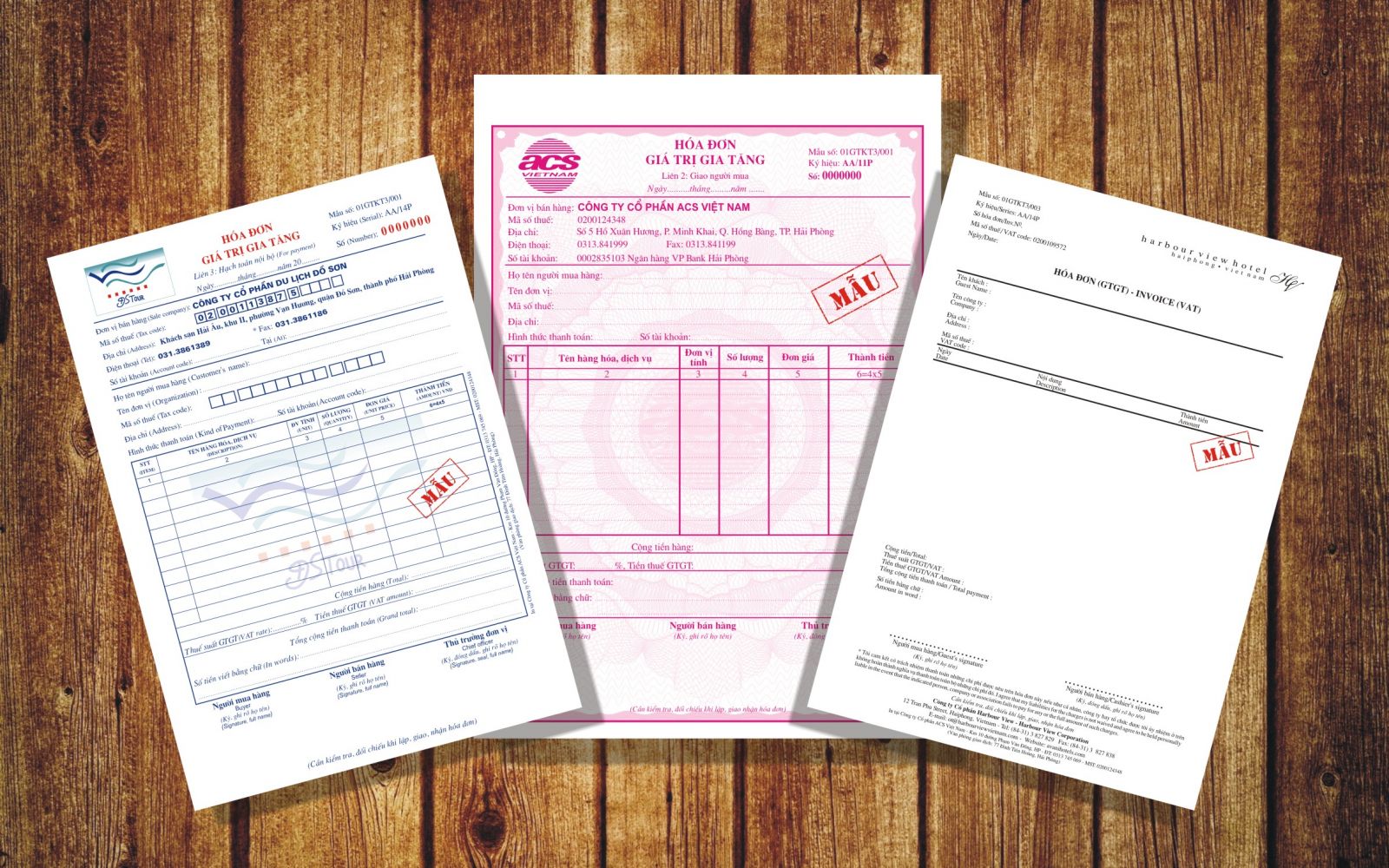
In business operations, the use of company funds to pay for personal bills occurs quite commonly, yet it is not always compliant with the law. If improperly conducted, enterprises may face tax risks, accounting issues, and legal liabilities. The following article clarifies the relevant legal regulations and common issues of the payment of personal bills using company funds to enable enterprises to proactively prevent potential risks.
I. Current practice regarding the payment of personal bills using company funds
In the practical management and operation of enterprises, the use of company funds to pay for personal expenses of managers, employees, or legal representatives is relatively common.

Many expenditures are made under the content of “convenience”,“advance payments”, or “for work purposes”, but lack sufficient grounds to prove that they serve production and business activities. It results in the commingling of corporate assets with personal spending, leading to significant tax, accounting, and legal risks when inspected or audited by competent authorities.
II. Understanding of paying personal bills using company funds
1. What is the payment of personal bills using company funds?
Payment of personal bills using company funds refers to the enterprise’s use of its own money or assets to cover expenditures of a personal nature of employees, managers, or related persons, which do not directly serve the enterprise’s production and business activities. Such expenditures are typically not linked to assigned duties, lack a clear business purpose, and pose various legal, accounting, and tax risks if they are not properly regulated, approved, and recorded in accordance with the law.
2. In what forms may the payment of personal bills using company funds be conducted?
In practice, the payment of personal bills using company funds may take various forms, such as: The enterprise directly pays personal expenses in cash, uses the company’s bank account to transfer payments to service providers for personal purposes, uses corporate cards to pay for living expenses, meals, or travel, or makes advances and reimbursements without being able to substantiate that such expenditures serve production and business activities.
If these forms of payment are not strictly controlled and supported by lawful grounds, they are highly likely to be deemed as improper use of company funds.
3. What types of personal bills are commonly paid using company funds?
In practice, personal bills commonly paid with company funds mainly include personal living and consumption expenses such as: Electricity, water, and internet bills at private residences; meal and hospitality expenses not serving business purposes; personal travel and tourism costs; purchases of goods and assets for private use; tuition fees, medical examination and treatment expenses, or other personal expenditures. Where such bills are not directly linked to the enterprise’s production and business activities, they lead to substantial legal and tax risks.
III. Legal regulations relating to the payment of personal bills using company funds
Current laws and regulations set out specific principles to ensure that expenditures are made for proper purposes, with valid grounds, in a transparent manner, and in service of production and business activities, while clearly defining legal liabilities arising where enterprises or individuals violate these provisions.
1. When is the payment of personal bills using company funds considered lawful?
Pursuant to Article 6 of Circular No. 78/2014/TT-BTC, as amended and supplemented by Article 4 of Circular No. 96/2015/TT-BTC, the payment of personal bills using company funds is only considered lawful where such expenditure actually arises and is directly related to the enterprise’s production and business activities, is proved by lawful invoices and supporting documents, and satisfies the requirement of non-cash payment for invoices of 20 million VND or more. Where the expenditure fails to meet these conditions, even if payment has been made, it shall not be deductible when determining taxable income and may lead to tax risks for the enterprise.

Accordingly, the payment of invoices issued in an individual’s name using company funds is only lawful where the expenditure directly serves business operations, is proved by valid invoices and documents, and is paid in compliance with the prescribed payment methods.
2. Who has the authority to decide on the use of company funds to pay personal bills?
As a matter of principle, the law does not permit the use of company funds to pay personal bills, unless such expenditure genuinely serves the enterprise’s production and business activities and is decided in accordance with the enterprise’s internal authority.
The persons competent to decide on the use of the enterprise’s assets and funds (including expenditures related to business operations) are those designated under the company charter and the Law on Enterprise 2020 (as amended in 2025), typically including:
- The Board of Directors (for joint-stock companies);
- The Members’ Council (for limited liability companies with two or more members);
- The company owner (for single-member limited liability companies).
Such stems from the principle of corporate asset management, whereby persons authorized to decide on corporate expenditures must be clearly identified in the charter and must comply with the law to ensure that all expenditures serve business purposes and have a clear legal basis.
3. How does current law regulate the use of company funds for expenditures not serving business activities?
Pursuant to Article 6 of Circular No. 78/2014/TT-BTC, as amended and supplemented by Article 4 of Circular No. 96/2015/TT-BTC, expenditures not related to the enterprise’s production and business activities are not recognized as deductible expenses when determining corporate income tax. If an enterprise uses company funds to pay for personal expenditures not serving business purposes, such amounts are not only excluded from deductible expenses but may also result in tax adjustments and the risk of sanctions under current tax regulations.
The use of company funds for non-business purposes is inconsistent with tax regulations, resulting in such expenditures being excluded when calculating corporate income tax, thereby increasing taxable income and additional tax payable.
IV. Questions regarding the payment of personal bills using company funds
Below are common questions raised by enterprises regarding the payment of personal bills using company funds and the proper legal understanding under current regulations.
1. How should cases be handled where personal bills are paid with company funds without lawful invoices or supporting documents?
If an enterprise uses expenditures lacking lawful invoices or documents for tax declaration purposes, in addition to having such expenditures excluded from deductible expenses, the enterprise may also be subject to administrative sanctions for tax and invoice violations according to Decree No. 125/2020/ND-CP (as amended by Decree No. 310/2025/ND-CP).
Specifically, where misdeclaration results in an underpayment of tax or an increase in tax exemption, reduction, or refund amounts, the fine is 20% of the underpaid tax or improperly enjoyed tax amount. In cases classified as tax evasion, the enterprise may be fined from one to three times the evaded tax amount, depending on the nature and severity of the violation.
2. Can the payment of personal bills using company funds be recorded as deductible expenses of the enterprise?
Pursuant to Article 6 of Circular No. 78/2014/TT-BTC, as amended and supplemented by Article 4 of Circular No. 96/2015/TT-BTC, such payments may only be recorded as deductible expenses where the expenditure actually arises, is directly related to production and business activities, and is proved by lawful invoices and documents, as well as satisfying the requirement of non-cash payment as prescribed by law. Conversely, if invoices reflect personal consumption not serving the enterprise’s business activities, such payments are not deductible when determining taxable income.
3. Does paying personal bills using company funds give rise to personal income tax obligations?
Pursuant to Article 3 of the Law on Personal Income Tax (2025), only income conferring benefits on individuals (such as salaries, wages, remuneration, or monetary and non-monetary benefits) constitutes taxable personal income. Accordingly, if the company pays personal bills but such payment in substance serves production and business activities and does not confer personal benefits, no personal income tax liability arises.
Conversely, if the company pays expenditures of a purely personal consumption nature, conferring private benefits unrelated to work, such amounts are deemed monetary benefits to the individual and must be included in taxable personal income in accordance with the law.
4. Does an accountant have the right to refuse to process payments of personal bills using company funds?
Pursuant to Article 51 of the Law on accounting 2015 (as amended in 2024), accounting personnel have professional independence and the right to reserve professional opinions in writing where they detect unlawful transactions or documents that are inconsistent with accounting and financial regulations.

When examining accounting documents, if irregularities, inaccurate contents, or legal violations are identified, the accountant is entitled to refuse such transactions (i.e., refuse disbursement, payment, or accounting entries) and must report in writing to the chief accountant or the legal representative for timely handling in accordance with the law.
5. Can paying personal bills using company funds be deemed as improper use of corporate assets?
The payment of personal consumption bills using company funds may be deemed as improper use of corporate assets. Pursuant to Article 6 of the Law on accounting 2015, accounting activities must truthfully and objectively reflect the economic substance of transactions, record them accurately in terms of content, subjects, and purposes of asset use. Personal expenditures not serving production and business activities do not reflect the true nature and purpose of corporate fund usage.
Accordingly, the use of company funds to pay personal bills is inconsistent with accounting principles and may be considered improper use of corporate assets under the law.
V. Why seek legal advice from NPLaw regarding the payment of personal bills using company funds
NPLaw, with a team of lawyers having in-depth expertise in tax, accounting, and corporate law, assists enterprises in reviewing the legality of expenditures, assessing the risk of tax reassessment, administrative sanctions, and potential personal income tax liabilities. NPLaw also supports the development of internal procedures and financial–accounting regulations, and provides guidance on properly handling incurred expenditures in compliance with the law, thereby minimizing disputes and legal liabilities for legal representatives, chief accountants, and accounting departments.
The above information is for reference purposes only. For detailed advice on specific cases, clients are encouraged to contact Ngoc Phu Law Firm for prompt consultation.