In the context of a rapidly expanding food market, food safety has become a matter of particular social concern. Food quality inspection is a vital measure to protect human health and maintain consumer trust. The following article by NPLAW provides an analysis of the current situation, relevant legal provisions, and clarifies issues related to acts of non-compliance with food quality inspection regulations.
In the context of a rapidly expanding food market, food safety has become a matter of particular social concern. Food quality inspection is a vital measure to protect human health and maintain consumer trust. The following article by NPLAW provides an analysis of the current situation, relevant legal provisions, and clarifies issues related to acts of non-compliance with food quality inspection regulations.
I. Current situation regarding non-compliance with food quality inspection regulations
The current state of non-compliance with food quality inspection regulations reveals several alarming issues. Some food manufacturers focus solely on distribution while neglecting the essential step of testing and evaluating product quality before releasing them to the market. It not only constitutes a legal violation but also poses a high risk of food insecurity. Many businesses still use raw materials that have not undergone quality inspection or are imported illegally, resulting in poor control over product quality.

Such non-compliance can cause food poisoning, foodborne diseases, and adversely affect human health and genetics in the long term, undermining consumer confidence in the domestic food market.
II. Legal provisions on non-compliance with food quality inspection regulations
Vietnamese law provides clear and specific regulations on food quality inspection and supervision to protect consumers and ensure social safety.
1. What is non-compliance with food quality inspection regulations?
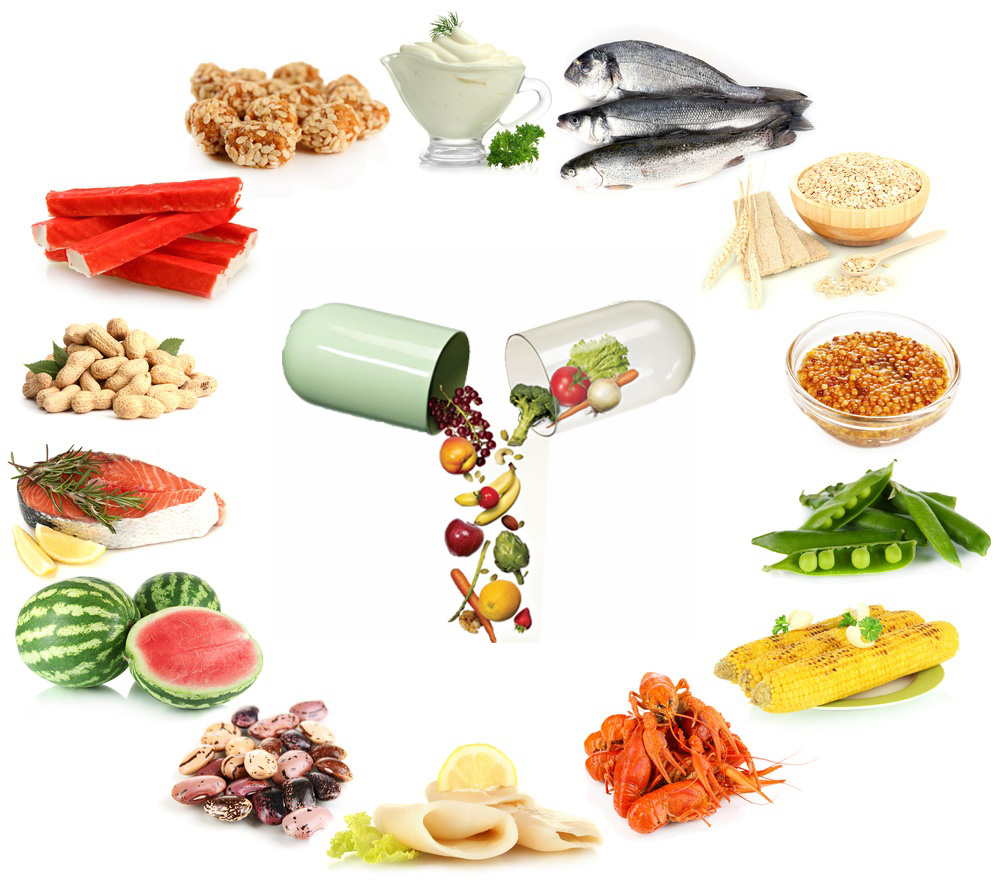
Food quality inspection (or food testing) is the process of analyzing, evaluating, and controlling indicators related to hygiene, physicochemical, microbiological, and sensory safety to ensure that food meets quality and safety standards for consumers and complies with legal provisions (Clause 7, Article 2 of the Law on Food Safety 2010). Its primary objective is to prevent substandard food products from reaching the market, protect public health, and enhance corporate reputation.
Accordingly, non-compliance with food quality inspection regulations includes acts such as:
- Failure to conduct periodic inspection;
- Failure to disclose testing results;
- Introduction of products to the market without conformity certification;
- Violation of regulations on product declaration.
2. How does current law regulate non-compliance with food quality inspection?
Current laws provide the following provisions concerning violations of food quality inspection obligations:
- Law on Food Safety 2010, as amended by Law No. 28/2018/QH14:
+ Article 3: Principles of ensuring food safety.
+ Article 19: Food producers and traders are obligated to conduct periodic testing.
+ Article 20: Food must be declared as conforming to regulations on processes and safety standards. - Decree No. 115/2018/NĐ-CP, as amended by Decree No. 124/2021/NĐ-CP:
+ Article 7: A fine ranging from 20,000,000 to 30,000,000 VND for failing to conduct periodic inspection as prescribed.
+ Article 8: A fine ranging from 40,000,000 to 60,000,000 VND for introducing food to the market without testing or conformity declaration.
+ Article 4: It provides for supplementary sanctions such as suspension of operations or revocation of food safety certificates. - Civil Code 2015:
+ Article 584: Individuals and organizations causing damage must compensate.
+ Article 608: Compensation for damage caused by unsafe products. - Criminal Code 2015, as amended in 2017:
+ Article 317 (as amended by Clause 119, Article 1 of the Law Amending the Criminal Code 2017): Violations of food safety regulations may result in fines up to 1 billion VND or imprisonment for up to 15 years if the consequences are severe.
III. Questions on non-compliance with food quality inspection regulations
1. Can a business have its food safety certificate revoked for non-compliance with food quality inspection regulations?
A business that fails to comply with food quality inspection regulations may have its food safety certificate revoked. Competent authorities may withdraw the certificate if it fails to meet food safety conditions, including failure to comply with quality inspection requirements (Article 34 of the Law on Food Safety 2010).
2. Can a business be taken sanctions for non-compliance if no actual consequences have occurred?
A business that violates food quality inspection regulations may still be subject to sanctions depending on the nature and severity of the violation even if no harmful consequences have occurred. The violator may face administrative sanctions or, in more serious cases, criminal prosecution. Additionally, compensation and remediation obligations apply if any damage results (Article 6 of the Law on Food Safety 2010).
3. What are the consequences for repeated non-compliance with food quality inspection regulations?
Businesses repeatedly violating food quality inspection regulations may face administrative sanctions, including fines of up to 200,000,000 VND for organizations, partial or total suspension of operations, and possible revocation of licenses or certifications.
The specific sanctions depend on the relevant provisions of the food safety laws and the seriousness of each violation (Articles 6–18 of Decree No. 115/2018/NĐ-CP specify penalties for individual acts of violation).
4. Can non-compliance with food quality inspection regulations be publicized in the media?
Currently, there are no specific legal provisions requiring public disclosure of businesses’ non-compliance with food quality inspection regulations in the media.
However, according to Point c, Clause 3, Article 2 of Decree No. 115/2018/NĐ-CP, in addition to main sanctions, supplementary sanctions may include corrective actions, such as requiring the violator to rectify or publicly correct false or misleading information.
5. Are there differences in sanction levels between small-scale establishments and large businesses?
There are differences in sanction levels based on the scale and severity of the violation. Under Article 3 of Decree No. 115/2018/NĐ-CP, sanctions are determined by the nature, degree of violation, and business scale. Large businesses typically face higher fines and may also be subject to additional sanctions.
IV. Legal consultancy services related to non-compliance with food quality inspection regulations
Legal consultancy services regarding non-compliance with food quality inspection regulations provide support in the following areas:
- Advising and guiding businesses on compliance with food quality inspection requirements;
- Assisting in the preparation and review of legal documentation and contracts with suppliers;
- Representing clients in working with state authorities during inspections and audits;
- Assisting in handling violations and advising on mitigating sanctions;
- Proposing preventive solutions, including internal procedures, training, and regular inspection plans;
- Supporting the lawful recall and destruction of non-compliant products;
- Providing litigation services to protect corporate rights in disputes.
For any inquiries or legal consultation needs related to non-compliance with food quality inspection regulations, please contact NPLAW for direct assistance and guidance from our professional legal team.