The organizational structure of a company is a crucial foundation that enables efficient operations, clear allocation of responsibilities, and the achievement of sustainable development goals. Establishing an appropriate organizational structure not only enhances productivity but also ensures compliance with applicable legal provisions, thereby minimizing legal risks in the course of business operations.
This article by NPLAW provides consultation on corporate organizational structure in accordance with current legal regulations, helping businesses optimize management activities and achieve sustainable growth in an increasingly competitive business environment.
I. The need for consultation on corporate organizational structure
In the context of a modern economy and an increasingly complex business environment, enterprises face numerous challenges in designing and adjusting their organizational structures to align with their scale, industry, and development strategies. Accordingly, the need for consultation on corporate organizational structure becomes essential for the following reasons:

- Ensuring legal compliance: Assists businesses in designing an organizational structure in conformity with the law, thereby avoiding legal risks in management and operations.
- Optimizing management efficiency: A scientific organizational structure ensures clear delegation of authority and responsibilities, promotes effective coordination among departments, and improves productivity.
- Adapting to changes: Consultation helps enterprises flexibly adjust their structure when expanding operations, adopting new technologies, or changing business strategies.
- Minimizing internal disputes: A clear structure reduces conflicts and disputes over authority and responsibilities within the enterprise.
Therefore, consultation on organizational structure plays a vital role in ensuring sustainable development and enhancing competitiveness in the market.
II. Legal provisions on consultation regarding corporate organizational structure
1. Who is authorized to provide consultation on corporate organizational structure?
In order to provide legal consultation regarding corporate organizational structure, consultants must possess legal expertise, as stipulated in Article 18 of Decree No. 77/2008/ND-CP, which provides that legal consultation may be carried out by:
- Legal consultants;
- Practicing lawyers working under labor contracts for legal consultancy centers;
- Legal consultancy collaborators.
2. Legal responsibilities in providing consultation on corporate organizational structure
According to Article 24 of the Law on Lawyers 2006, consultants have the following responsibilities when providing legal consultation on organizational structure:
- A lawyer must respect the client’s choice of counsel; only accept cases within their competence and handle matters within the client’s requests.
- Upon accepting a case, the lawyer must inform the client of the rights, obligations, and professional responsibilities involved in providing legal services.
- A lawyer must not transfer an accepted case to another lawyer, except with the client’s consent or in cases of force majeure.
3. How are violations in providing consultation on organizational structure handled?
Violations in providing legal consultation on corporate organizational structure may be subject to administrative fines ranging from 1,000,000 VND to 10,000,000 VND, as provided in Article 10 of Decree No. 82/2020/ND-CP, including:

- A fine from 1,000,000 VND to 3,000,000 VND for acts such as erasing or altering documents issued by competent authorities in the dossier requesting issuance of a legal consultant card.
- A fine from 3,000,000 VND to 7,000,000 VND for acts such as tampering with the content of a legal consultant card; demanding or accepting money or benefits beyond the remuneration officially collected by the legal consultancy center or its branches.
- A fine from 7,000,000 VND to 10,000,000 VND for acts such as inciting individuals or organizations seeking legal advice to provide false information or documents; practicing legal consultancy under the title of a consultant without being duly qualified, etc.
III. Questions on consultation regarding corporate organizational structure
1. What issues require consultation on organizational structure?
Consultation on corporate organizational structure generally covers:
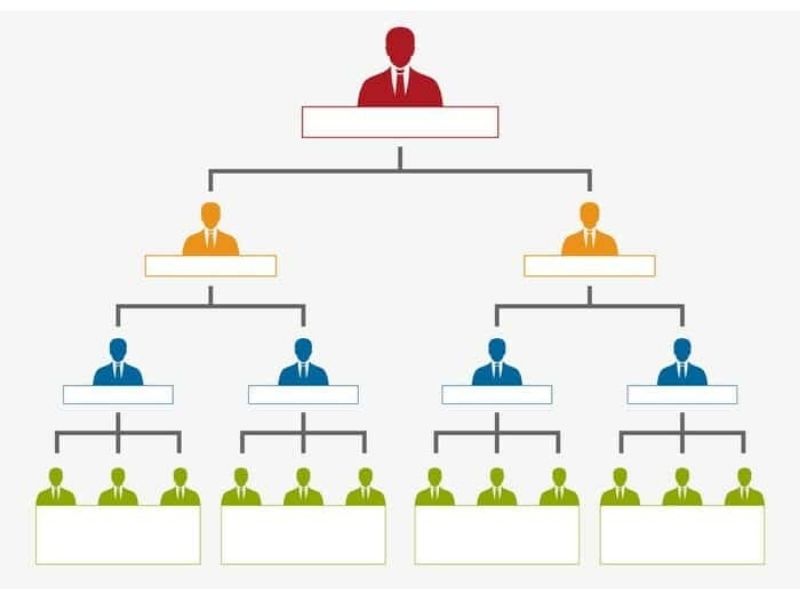
- Designing organizational charts and defining functions and duties of departments;
- Establishing internal management, reporting, and control systems;
- Identifying a management model suitable to the business’s scale and sector;
- Advising on the authority and responsibilities of management positions;
- Recommending policies on human resources, training, and organizational development.
2. What models are commonly proposed in consultation on organizational structure?
Commonly proposed models include:

- Functional model (by specialized departments);
- Product- or service-based model;
- Geographical model;
- Matrix model (a combination of functions and projects);
- Flat model (reducing management levels to increase flexibility).
3. Is consultation necessary when changing the management model?
Changing the management model usually entails adjustments to the organizational structure, making consultation necessary to ensure effectiveness, alignment with new strategies, and avoidance of conflicts.
4. Can consultants be held liable for incorrect advice?
If incorrect advice causes damage to the enterprise, the consultant may be held liable for compensation under the legal service contract or relevant legal provisions.
5. Is it mandatory to hire a lawyer for consultation on organizational structure?
Currently, it is not mandatory to hire a lawyer for such consultation. However, engaging an experienced lawyer or legal expert helps ensure accuracy, compliance with the law, and minimization of legal risks.
IV. Legal consultancy services on corporate organizational structure
The foregoing provides detailed information from NPLAW on consultation regarding corporate organizational structure. Should you have any further questions concerning the issues discussed above or other legal matters, please contact NPLAW for direct consultation and guidance from our team.