The coffee franchise market in Vietnam has witnessed significant growth, with participation from both international and domestic brands, ranging from global chains such as Starbucks and Highlands Coffee to local names like Trung Nguyen and The Coffee House.
I. Current situation of coffee franchises
The coffee franchise market in Vietnam has witnessed significant growth, with participation from both international and domestic brands, ranging from global chains such as Starbucks and Highlands Coffee to local names like Trung Nguyen and The Coffee House.
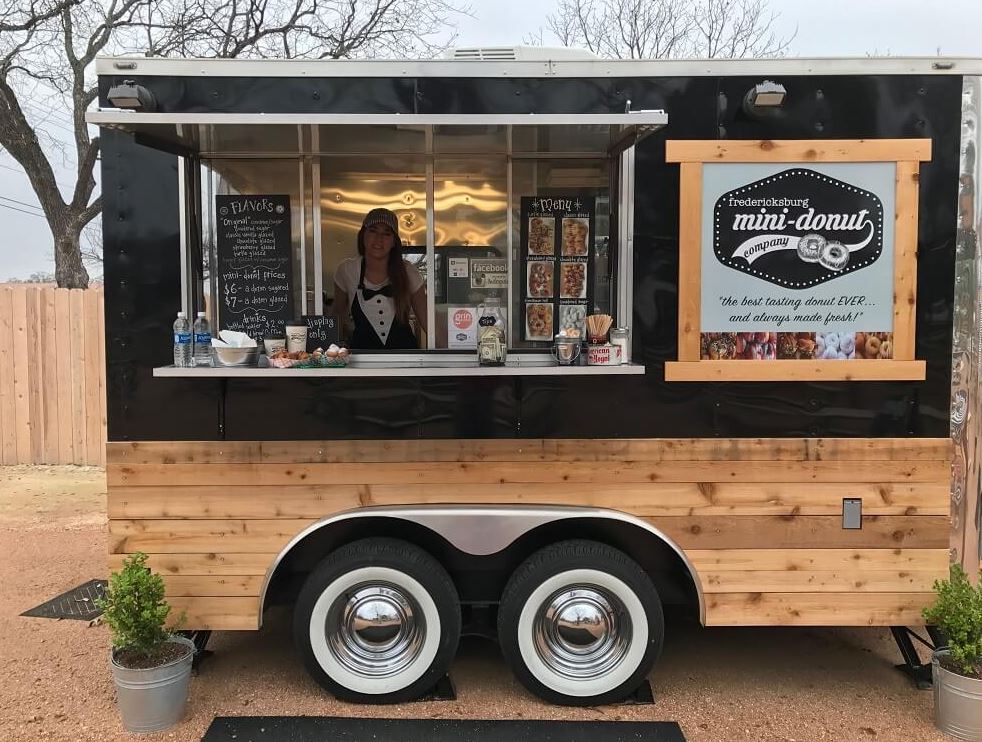
However, many disputes have arisen due to a lack of understanding of the rights and obligations stipulated in franchise agreements, particularly concerning fees, contract terms, brand ownership, and obligations between the parties. Therefore, a thorough understanding of the relevant legal regulations on coffee franchises is essential to safeguard the parties’ interests and minimize disputes.
II. Legal provisions on coffee franchises
1. Definition of a coffee franchise
Article 284 of the Commercial Law 2005 stipulates:
- A franchise means a commercial activity whereby the franchisor permits and requires the franchisee to conduct the purchase and sale of goods or provision of services under legal regulations.
Accordingly, a coffee franchise can be understood as a business model in which the franchisor authorizes the franchisee to use its brand, business model, coffee recipes, and operational procedures to open and operate stores related to coffee in accordance with the standards of the franchised system.
2. Conditions for coffee franchises
Under Article 5 of Decree No. 35/2006/ND-CP (as amended by Article 8 of Decree No. 08/2018/ND-CP), franchise conditions are imposed solely on the franchisor. Specifically: A trader is entitled to grant commercial rights when the business system intended for franchising has been in operation for at least one year.
Thus, to be eligible for coffee franchise, the franchisor’s business system must have been in operation for a minimum of one year.
3. Main considerations in coffee franchises
To ensure compliance and avoid legal risks, the parties should carefully consider the following matters when entering into the coffee franchise agreement:
- Reviewing the franchise agreement in detail, particularly provisions on franchise fees, operational costs, contract duration, and termination terms;
- Verifying the brand’s registration and protection status;
- Clearly defining the rights and obligations of each party, especially concerning training, supply of ingredients, and operational support;
- Seeking advice from legal experts or lawyers to minimize legal risks and safeguard legitimate interests.
III. Common legal questions on coffee franchises
1. What does the coffee franchise typically include?
According to Clause 6, Article 3 of Decree No. 35/2006/ND-CP, a franchise may cover one, several, or all of the following rights:
- The right for the franchisee to conduct business activities for goods or services under a system determined by the franchisor and associated with the franchisor’s trademarks, trade names, business slogans, commercial symbols, and advertising;
- The right of a sub-franchisee to grant sub-franchises to others;
- The right to develop commercial franchises under a development franchise contract.

Accordingly, the franchising content may encompass all or part of these rights, depending on the parties’ agreement.
2. May the franchisor impose personnel requirements on the franchisee?
Pursuant to Clause 3, Article 286 of the Commercial Law 2005, the franchisor has the right to periodically or unexpectedly inspect the franchisee’s operations to ensure the uniformity of the franchising system and the consistency of goods and service quality.
In addition, Clause 2, Article 289 of the same law provides that the franchisee must invest adequate facilities, finance, and human resources to receive the commercial rights and business know-how transferred by the franchisor.
Accordingly, the franchisor may impose reasonable personnel standards to ensure system uniformity and service quality.
3. Can the franchisee register ownership of the franchised logo?
Clause 1, Article 284 of the Commercial Law 2005 states that franchise involves the use of the franchisor’s trademark, trade name, business know-how, business slogan, commercial symbol, and advertising.
Therefore, ownership of the brand and logo remains with the franchisor. The franchisee only has the right to use such intellectual property within the scope and duration specified in the franchise agreement.
4. Can the franchisee file a lawsuit if the franchisor accepts payment but fails to deliver the franchise?
Under Article 287 of the Commercial Law 2005, unless otherwise agreed, the franchisor is obliged to implement the franchise, provide guidance, and train the franchisee.
Thus, if the franchisor receives payment but fails to fulfill the agreed obligations, the franchisee has the right to initiate a lawsuit to recover payments and claim damages under civil and commercial law.
5. What if the franchisee fails to comply with a profit-sharing clause?
Under current law, parties must perform their contractual obligations as agreed. Unless otherwise stipulated, the franchisee’s failure to comply with profit-sharing provisions constitutes a breach of contract.

In such cases, the franchisor may file a lawsuit before a competent court to protect its legitimate rights pursuant to Article 186 of the Civil Procedure Code 2015.
6. What should be done if the franchisor unilaterally changes the price contrary to the agreement?
In this case, the franchisee should:
- Review the contract clauses on pricing and the rights and obligations of both parties;
- Attempt negotiation to resolve the issue;
- If negotiation fails, initiate legal action before a competent authority.
Therefore, careful review and legal consultation are necessary to ensure appropriate action and protect lawful interests.
IV. Legal consultancy services on coffee franchises
The above article by NPLaw provides an overview of the legal framework governing coffee franchises in Vietnam. With a team of experienced lawyers and legal specialists, NPLaw offers professional and reliable legal services to ensure the protection of clients’ lawful rights and interests.