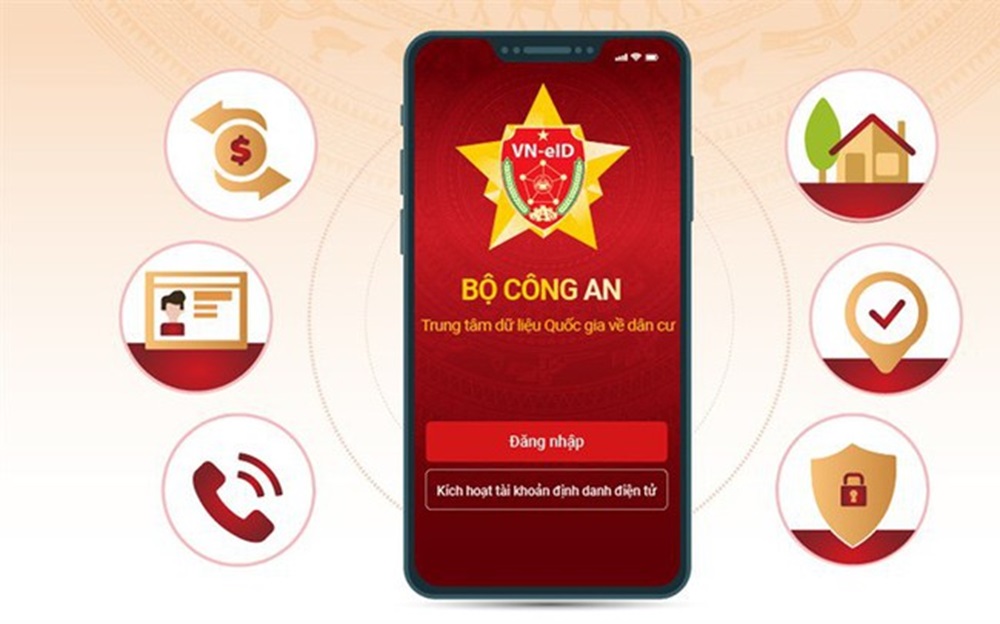
In the context of rapid digital transformation, electronic identification has gradually become a main factor in the business operations of enterprises. Beyond optimizing procedures and saving time and costs, electronic identification also enhances security and transparency in transactions. The following article provides an overview of the legal provisions on electronic identification for enterprises.
I. The need for electronic identification for enterprises in business operations
In modern business activities, verifying a company’s identity through electronic means helps optimize transaction processes, reduce costs and time, and enhance legal safety.

Particularly in sectors such as banking, e-commerce, logistics, and insurance, electronic identification not only assists enterprises in expanding their markets but also ensures compliance with regulations on data protection and anti-fraud measures. As transactions no longer depend on face-to-face interactions, electronic identification serves as a reliable connection for enterprises to establish credibility and build trust with domestic and international partners and clients.
II. Legal provisions on electronic identification for enterprises in Vietnam
1. Is electronic identification mandatory for enterprises?
Currently, there is no provision mandating enterprises to register for electronic identification. However, pursuant to Clause 4, Article 40 of Decree No. 69/2024/NĐ-CP:
- Accounts created by the National Public Service Portal, or by ministerial- and provincial-level administrative settlement systems for agencies and organizations, shall remain valid until June 30, 2025.
Accordingly, from July 1, 2025, the accounts enterprises are using on the National Public Service Portal and other ministerial- and provincial-level administrative procedure systems will no longer be valid, and enterprises will need to transition to electronic identification accounts.
Therefore, to ensure continuous access to necessary information and maintain seamless business operations, enterprises should proactively register their electronic identification accounts before such a deadline.
2. In what forms can enterprises implement electronic identification?
Under Clause 1, Article 12 of Decree No. 69/2024/NĐ-CP on the order and procedures for issuing electronic identification accounts to organizations, the procedures may be implemented in the following forms:
- The legal representative, the head of the agency or organization, or a person authorized by them, shall use their level-2 electronic identification account to log in to the National Identification Application, provide the required information as instructed, and submit a request for the issuance of an electronic identification account for agencies and organizations, after obtaining consent from all other legal representatives of such entities (if any).
- In the case of direct submission, the legal representative, the head of the agency or organization, or an authorized person shall complete the Application Form for Issuance of an electronic identification account for agencies and organizations (Form TK02 attached to this Decree) and submit it to the Agency for Electronic Identification and Authentication Management or the identity management authority at a convenient location.
Accordingly, enterprises may perform electronic identification either online or directly as prescribed.
3. Sectors with specific requirements for electronic identification
Currently, several sectors have specific requirements regarding electronic identification. Typical examples include banking and finance, which demand strict verification for online transactions; e-commerce, which requires reliability and transparency for sellers; and online public services, which require identification for administrative procedures.

These requirements generally arise from heightened security demands, legal compliance, and user protection. Enterprises should thoroughly study sector-specific regulations to ensure compliance.
III. Questions on electronic identification for enterprises
1. Can enterprises use electronic identification to sign contracts?
According to Clause 6, Article 9 of Decree No. 69/2024/NĐ-CP on the use of electronic identification accounts:
- Information on electronic identity and integrated information in an electronic identity card or electronic identification account shall have evidentiary value equivalent to the provision, use, or presentation of papers and documents containing such information when conducting administrative procedures, public services, or other transactions and activities.
Accordingly, the use of electronic identification accounts in electronic activities or transactions has the same legal validity as presenting the physical papers or documents integrated within the account. Therefore, enterprises may use electronic identification accounts to execute contracts.
2. Which authority is competent to issue electronic identification for enterprises?
Pursuant to Article 16 of Decree No. 69/2024/NĐ-CP, the authority competent to issue, lock, and unlock electronic identification accounts for Vietnamese citizens, foreign nationals, agencies, and organizations is as follows:
- The Director General of the Police Department for Administrative Management of Social Order under the Ministry of Public Security shall have the authority to issue, lock, and unlock electronic identification accounts for Vietnamese citizens, foreign nationals, agencies, and organizations.
Thus, the competent authority to issue electronic identification for enterprises is the Director General of the Police Department for Administrative Management of Social Order under the Ministry of Public Security.
3. What are the conditions for enterprises to be granted electronic identification?
To be issued electronic identification, enterprises must satisfy the following basic conditions:
- Being established or registered to operate in Vietnam in accordance with the law;
- Preparing all required documents as prescribed;
- Complying with the prescribed registration order and procedures.
The above are the fundamental conditions that enterprises should note when implementing the procedures for obtaining electronic identification in accordance with the law.
4. What is the validity period of electronic identification for enterprises?
According to Clause 4, Article 13 of Decree No. 69/2024/NĐ-CP, the duration for processing electronic identification account issuance for organizations is as follows:
- No more than 03 working days if the organization’s information requiring verification already exists in the national or specialized database;
- No more than 15 days if the information requires verification and is not yet available in those databases.
Accordingly, the issuance time for electronic identification for enterprises is either within 03 or 15 working days, depending on each specific case.
5. Can enterprises use electronic identification for international transactions?
Pursuant to Clause 6, Article 4 of Decree No. 69/2024/NĐ-CP, one of the principles of electronic identification and authentication is: Ensuring conformity with international treaties to which Vietnam is a member.
Additionally, Clause 4, Article 14 of the same Decree stipulates: The Agency for Electronic Identification and Authentication Management shall connect, share, and authenticate data to enable the holders of electronic identity accounts to use such accounts in other countries pursuant to international treaties concluded by Vietnam.
Therefore, the use of Vietnam’s electronic identification for international transactions depends on international treaties to which Vietnam is a member, mutual recognition between Vietnam and other countries, and international standards on electronic identification. Enterprises are advised to carefully review relevant international regulations and standards to ensure the success of cross-border transactions.
IV. Legal consultancy services on electronic identification for enterprises
The above article by NPLaw provides an overview of current regulations on electronic identification for enterprises. With a team of experienced lawyers and legal experts, NPLaw offers reputable and professional legal services, ensuring optimal protection of clients’ lawful rights and interests.
For legal assistance or consultation, please contact NPLaw via the following channels: