Change of temporary residence address by foreigners in Vietnam is a common problem in residence practice. However, many cases fail to comply with legal requirements, thereby leading to legal risks. Understanding the applicable regulations and obligations when changing temporary residence is therefore essential. Below, NPLaw provides an overview of the legal issues related to the change of temporary residence address of foreigners.
Change of temporary residence address by foreigners in Vietnam is a common problem in residence practice. However, many cases fail to comply with legal requirements, thereby leading to legal risks. Understanding the applicable regulations and obligations when changing temporary residence is therefore essential. Below, NPLaw provides an overview of the legal issues related to the change of temporary residence address of foreigners.
I. Current situation regarding the change of temporary residence address of foreigners
The number of foreigners coming to Vietnam for residence, work, study, and investment has been increasing, resulting in a growing demand for changes of temporary residence addresses. In practice, however, the declaration of such changes remains problematic. Many foreigners, and even accommodation establishments, are not fully aware of their obligation to declare changes in residence, leading to situations of non-declaration, delayed declaration, or inaccurate declaration.
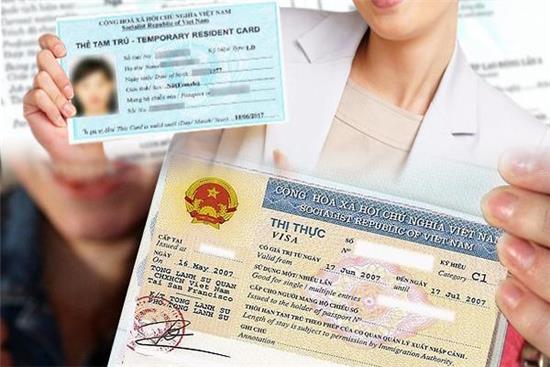
In addition, in certain localities, the management and receipt of declarations by the police remain inconsistent, particularly in areas without online reporting systems. It creates difficulties for foreigners when implementing procedures. Moreover, although administrative sanctions have been stipulated, enforcement remains stringent elements and thus insufficiently deterrent.
In short, it is necessary to obtain stronger measures in dissemination, guidance, and inspection to ensure that declarations of changes in temporary residence are in compliance with the law, thereby contributing to the orderly management of foreigners’ residence in Vietnam.
II. Understanding of the change of temporary residence address of foreigners
1. Does the change of temporary residence address of foreigners affect their visa?
The changing the temporary residence address of foreigners does not invalidate their visa. However, failure to declare the change in accordance with regulations may affect the legality of residence.
Pursuant to Article 33 of the Law on Entry, Exit, Transit, and Residence of Foreigners in Vietnam 2014, when a foreigner moves to a residence different from that declared in the immigration or initial residence dossier, it is obliged to declare a new address to the local commune, ward, or township police via the accommodation establishment or a person managing the residence.
2. Necessary matters regarding the change of temporary residence address of foreigners
When changing the temporary residence address of foreigners in Vietnam, they should note the following issues to ensure lawful residence and avoid legal risks:
- Timely declaration: Foreigners must declare temporary residence within 12 hours (or 24 hours in remote areas) through the accommodation establishment with the local police.
- Accurate information: A new address must correspond to an actual place of residence. False or incomplete information may result in sanctions or affect residence records.
- Consistency with immigration records: A new address must align with information in visa extension, temporary residence card, or residence purpose change applications to avoid rejection or additional requests.
- Responsibility of accommodation establishments: Hotels, landlords, or household owners hosting foreigners must comply with declaration obligations to avoid administrative sanctions.
III. Legal provisions on the change of temporary residence address of foreigners
1. Relevant legal requirements
When changing the temporary residence address, foreigners are obligated to declare the change to the police at a new place of residence under Article 33 of the Law on Entry, Exit, Transit, and Residence of Foreigners in Vietnam 2014.

Accommodation establishments must complete residence declaration forms for foreigners and submit them to the commune/ward/township police at the new address, or declare online if connected to the immigration management system.
In addition, when applying for visa extension, reissuance, or residence purpose conversion, the declared temporary residence address must correspond with the information declared to the police. Any discrepancies or undeclared changes may result in rejection or further verification.
2. Common violations
Common violations related to the change of temporary residence address include:
- Failure to declare the change of residence: It is the most frequent violation. Under Article 33 of the Law on Entry, Exit, Transit, and Residence of Foreigners in Vietnam 2014, foreigners must declare their new residence through the accommodation establishment. Failure to declare, even with a valid visa or residence card, may result in being deemed unlawfully residing.
- False declarations: Some foreigners declare fictitious or incorrect addresses to comply with the law in written legal documents. However, in fact, it constitutes fraudulent residence records and violates foreign management laws. Consequences may include revocation of residence cards, denial of visa extensions, or deportation.
- Late declarations: Foreigners must declare temporary residence within 12 hours (24 hours in remote areas) of arrival at a new address. Late declarations, even if subsequently made, constitute administrative violations subject to sanctions.
- Failure to comply from accommodation establishments: Hotels, landlords, or other lodging providers are responsible for:
+ Recording foreigner information in residence declaration forms;
+ Submitting the information to the local police on time.
If failure to implement, provision of false information, or delayed execution, they may result in administrative sanctions and negatively impact business operations and legal standing.
IV. Questions on the change of temporary residence address of foreigners
1. What if information provided during the change of address is incorrect?
Foreigners must promptly review and identify any mistakes, then contact the immigration authority where the application was submitted to request corrections. It should be done as soon as possible to avoid consequences such as denial of residence extensions or administrative sanctions. Supporting documents, such as the new lease agreement, residence confirmation, valid passport, visa, and other relevant materials, should be provided to the competent authority.
2. Can a foreigner change his/she temporary residence address multiple times?
There is no legal restriction on the number of times a foreigner may change temporary residence address during lawful stay in Vietnam. However, each change must be declared to the immigration authority in accordance with regulations and within the prescribed time frame. Compliance ensures lawful residence and prevents legal complications.
3. Is it permissible to change temporary residence from one province to another?
Foreigners may change their temporary residence from one province to another during their lawful stay in Vietnam. However, they must register temporary residence at the new address, while the previous address may be removed from the residence management system pursuant to Article 29 of the Law on Residence 2020.

Specifically, point e, clause 1, Article 29 of the Law on Residence 2020 provides that where a person ceases residing at a leased, borrowed, or shared accommodation without registering a new temporary residence, the previous registration will be removed. Therefore, upon moving to another province, foreigners must register at the new address immediately to avoid deletion of their residence record or administrative sanctions for failure to declare in due time.
4. What if the application for change of residence address is rejected?
If the application is rejected, the foreigner or representative (owners of accommodation establishments) should directly contact the immigration authority to be informed of the specific reasons. The application must then be supplemented, amended, or resubmitted as guided. If dissatisfied with the rejection, the applicant has the right to file a complaint or request review by the higher authority in accordance with the law.
5. What risks arise if foreigners fail to declare the change of their addresses?
Under clause 4, Article 9 of Decree No. 144/2021/ND-CP, failure to declare temporary residence for foreigners in accordance with the law is subject to an administrative fine of 4,000,000 VND to 6,000,000 VND.
Beyond fines, failure to declare the new residence address may result in:
- Refusal of visa or temporary residence card extension;
- Difficulties in implementing residence-related administrative procedures;
- Possible stricter measures if violations are repeated or associated with false residence information.
Therefore, foreigners should fulfill their reporting obligations upon the changing of their temporary residence address to ensure compliance and avoid legal risks.
V. Should legal advice be sought regarding the change of temporary residence address of foreigners?
The foregoing is an article by NPLaw concerning the change of temporary residence address of foreigners. With an experienced team of lawyers and legal experts, NPLaw is always ready to accompany, advise, and support clients in relation to legal matters concerning the change of temporary residence address of foreigners. Should you require assistance, please contact NPLaw.