Trade secrets are information, data, formulas, production techniques, etc., that provide a competitive advantage to the enterprise. Protecting trade secrets is a key issue to maintain competitiveness and the development of the enterprise.
More and more enterprises are focusing on investing in and building effective measures to protect trade secrets. The legal regulations on protecting trade secrets are expected to be finalized in the near future. To understand more, readers can refer to the Legal Regulations on Agreements to Protect Trade Secrets article.
I. The role of agreements to protect trade secrets
Agreements to protect trade secrets (non-disclosure agreements—NDAs) play a very important role in protecting sensitive and confidential information of the enterprise.
1. Clearly identify the information considered confidential: help specify the information, data, technology... that is considered confidential and needs to be protected.
2. Security responsibility regulations:
a. Specify the responsibilities of the signing parties in maintaining confidentiality and not sharing confidential information with third parties.
b. Regulate forms of handling violations such as compensation for damages, contract termination…
3. Establish a legal basis for handling violations: it is an important legal basis for enterprises to file lawsuits and demand compensation if information is leaked.
4. Promote cooperation and information exchange: parties can confidently share confidential information, facilitating effective collaboration.
5. Protecting the interests of the enterprise: contributing to the protection of intellectual property values and the competitive resources of the enterprise.
In summary, agreements to protect trade secrets are important legal tools that help enterprises protect trade secrets, enhance competitiveness, and maintain market advantage. The signing of such agreements should be emphasized in all enterprise partnerships.
II. Legal regulations on agreements to protect trade secrets
1. What is an agreement to protect trade secrets?

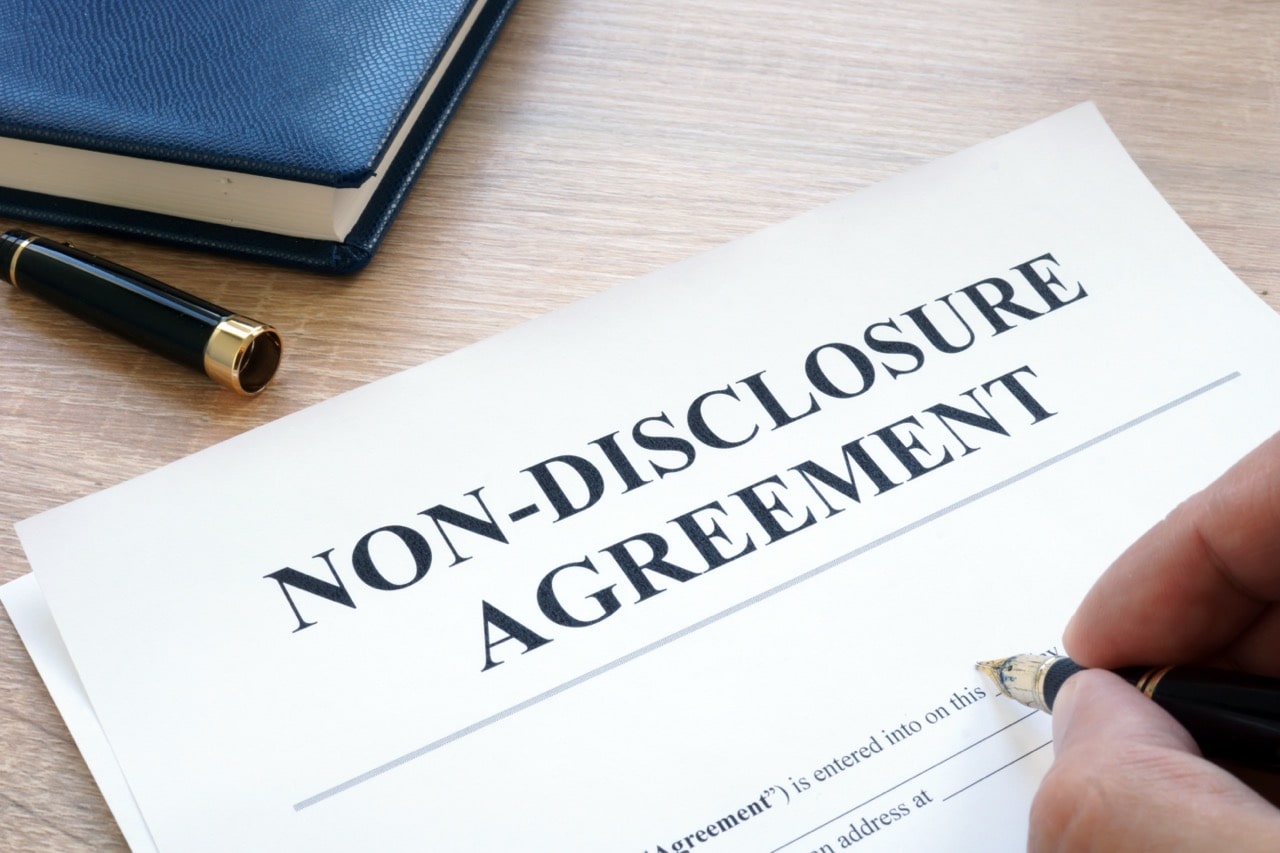
An agreement to protect trade secrets (non-disclosure agreement—NDA) is a legal document signed between parties to restrict the disclosure or unauthorized use of information, data, technology, know-how, etc., considered confidential by one or both parties.
The main characteristics of the agreement to protect trade secrets include:
- Clearly define the scope and type of information considered confidential.
- Regulate the responsibilities of the signing parties in terms of confidentiality and non-disclosure of information.
- Regulates the forms of dealing in case of violations such as compensation for damages and contract termination.
- Regulate the effective duration of the agreement, usually from 1 to 5 years.
- Other terms such as the scope of information use, identification of the information owner, rights of the information recipient…
The agreement to protect trade secrets is signed in many cases, such as business cooperation, research and development, company acquisition... to protect the important trade secrets of the participating parties.
2. What does the agreement to protect trade secrets include?
Pursuant to Clause 2, Article 4 of Circular 10/2020/TT-BLDTBXH, which regulates the main contents that must be included in an agreement to protect trade secrets, including:
- List of trade secrets, technology secrets.
- Scope of using trade secrets, technological secrets.
- The duration of protection for trade secrets and technological secrets.
- Methods of protecting trade secrets and technological secrets.
- Rights, obligations, and responsibilities of employees and employers.
- Dealing with agreement violations
Understanding these legal contents will help enterprises build a comprehensive and effective agreement to protect trade secrets.
3. What are the forms of agreement to protect trade secrets?
Pursuant to Clause 1, Article 4 of Circular 10/2020/TT-BLDTBXH, agreements to protect trade secrets and technological secrets can be implemented through two forms:
- By labor contract:
When employees work directly related to trade secrets and technological secrets, employers have the right to negotiate with employees about the content of protecting trade secrets and technological secrets in the labor contract.
- By other documents:
In addition to the agreement in the labor contract, the employer can also create other documents (besides the employment contract) to negotiate with the employee about the content of protecting trade secrets and technological secrets, in accordance with the law.
The choice of the specific form of agreement will depend on each case and the current legal regulations. It is important that the contents of the agreement fully meet the legal requirements for protecting trade secrets.
III. Answering some questions about agreements to protect trade secrets
1. How will employees who violate the agreement to protect trade secrets be dealt with?
Pursuant to Clause 3, Article 4 of Circular 10/2020/TT-BLDTBXH, employees who violate the agreement to protect trade secrets and technology secrets will be dealt with as follows:
- During the duration of the labor contract: In case an employee is found to have violated the labor contract during its duration, the dealing of compensation for damages will be carried out according to the procedures and processes pursuant to Clause 2, Article 130 of the Labor Code.
- After the termination of the labor contract: In case it is discovered that the employee has committed a violation after the termination of the labor contract, the dealing will be carried out pursuant to civil law and other relevant laws.
Thus, the dealing of employees who violate the agreement to protect trade secrets and technological secrets will depend on the timing of the violation's discovery. If it occurs within the duration of the labor contract, the regulations of the Labor Code will apply. If the contract is terminated, it will be dealt with pursuant to civil law regulations and other relevant legal regulations.
2. Is it allowed to terminate an employee who has disclosed trade secrets or technological secrets when there was an agreement? Is it possible to request compensation?
Pursuant to the Labor Code 2019, employers have the right to terminate employees in cases where the employees disclose trade secrets or technology secrets of the enterprise.
Specifically, Article 125 of this Code clearly regulates that one of the cases in which the disciplinary action of termination is applied is when the employee discloses trade secrets, technological secrets, infringes on the intellectual property rights of the employer, causes serious damage, or threatens to cause particularly serious damage to the property and interests of the employer.
Thus, employers are allowed to terminate employees if they disclose important trade and technological secrets of the enterprise, causing serious damage to the interests of the employer, provided that these actions are clearly regulated in the enterprise's labor regulations.
At the same time, Clause 3, Article 4 of Circular 10/2020/TT-BLĐTBXH regulates that when an employee is found to violate the agreement to protect trade secrets and technology secrets, the employer has the right to request the employee to compensate according to the agreement between the two parties.
3. Is there any penalty for violating an agreement to protect trade secrets?
Pursuant to Article 4 of Circular 10/2020/TT-BLDTBXH above, it can be seen that when employees violate the agreement to protect trade secrets, they may face the following consequences:
- Disciplinary termination
- Compensation for damages according to legal regulations
4. Does an agreement to protect trade secrets become invalid when an enterprise goes bankrupt?
Vietnamese law does not yet have specific regulations stating that agreements to protect trade secrets will be invalidated when a company goes bankrupt. However, pursuant to Articles 7, 18, and 52 of the Bankruptcy Law 2014 regarding the obligation to disclose information, documents, and evidence, as well as prioritizing the interests of creditors during the bankruptcy process, may lead to the invalidation of agreements to protect trade secrets.
IV. Legal consulting services for agreements to protect trade secrets
NGOC PHU LIMITED LIABILITY LAW COMPANY is an entity with experience in consulting and carrying out procedures related to the execution of agreements to protect trade secrets.
- Consultation on legal regulations related to agreements to protect trade secrets.
- Support the preparation and completion of the dossier to apply for permission about agreements to protect trade secrets.
- Consultation on drafting agreements to protect trade secrets.
- Update on the latest legal information regarding agreements to protect trade secrets.
Above is the information addressing the concerns related to agreements to protect trade secrets NPLAW sent to esteemed readers. If you have any related questions that need further clarification, please contact NPLAW at the following contact information: