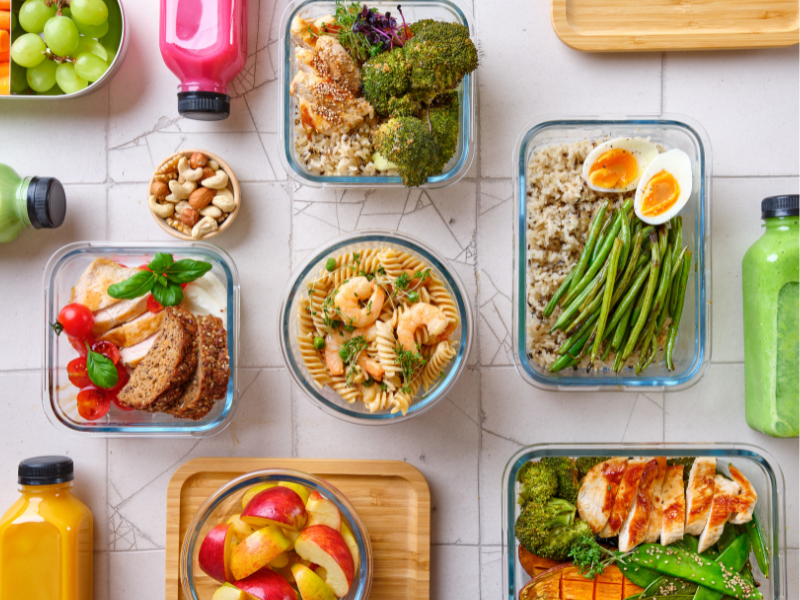
In recent years, the demand for catering services in Vietnam has increased significantly. It reflects the growing needs of consumers because many individuals lack the time or skills to prepare home-cooked meals for busy lifestyles. Accordingly, to save time, individuals, companies, industrial zones, schools, and other institutions increasingly use catering services to provide meals. With this potential growth, it not only supports consumers’ needs in general, but also generates economic benefits and employment opportunities for catering businesses for investors in a highly competitive and expanding market in Vietnam.
I. Overview of catering services
Significant development of the society helps catering services in Vietnam become an indispensable need of daily life. Facilities such as restaurants, cafés, and small eateries largely pay consumers’ attention. In this article, NPLaw provides an overview of certain regulations on catering businesses currently in force.

1. What is the catering business?
Catering businesses refer to activities aimed at providing food and beverage products to customers. It is a large and diverse sector including various forms such as restaurants, cafés, bars, street food vendors, food delivery services, event catering, and services of providing meals for factories, enterprises, and companies.
2. Current forms of catering businesses
According to Clause 5, Article 2 of the Law on Food Safety 2010:
- Facilities for catering businesses include food processing establishments such as food stores, food stalls (take-away), shops for cooked food, restaurants, facilities for processing meals, canteens, and collective kitchens.
II. Legal regulations on catering businesses
1. Operation for catering services
To ensure safety and quality for food, processing must comply with strict regulations and requirements from sourcing ingredients to delivering meals to customers. Each stage must be subject to rigorous supervision, it allows catering businesses to operate efficiently, safely, and professionally and provide customers with the best services. The process generally includes the following steps:
- Planning and designing the menu: Professional chefs are responsible for designing the menu, taking into account cuisine preferences, nutritional requirements, and budgetary conditions to develop diverse and suitable options for different customers.
- Sourcing and inspecting raw materials: The most critical stage is preparation and check of ingredients. All raw materials must be carefully selected and quality-checked prior to use. In addition, they must be supplied daily and purchased from reliable vendors.
- Preliminarily processing for food: Raw materials must be properly handled and stored. Vegetables and fruits must be peeled, trimmed, washed, and soaked in saline solution for disinfection. Other food must be appropriately cleaned and preserved in industrial refrigerators. Dry goods and spices should be stored in well-ventilated areas away from direct heat or sunlight.
- Cooking: Depending on orders, food is cooked based on the pre-designed menu by manager’s appointment. Professional chefs prepare meals in compliance with hygiene standards and use various cooking methods to ensure the diversity of the menu. Equipment and utensils must be thoroughly sanitized before use. Food hygiene measures, such as ensuring personal hygiene, controlling storage temperatures, and supervising the cooking process, must be strictly observed.
- Portioning and delivering food: Once cooked, meals are kept warm and portioned into parts before being packaged and delivered to customers on time. Orders must be carefully checked to ensure accurate order before transportation. After completion, all cooking tools and equipment must be cleaned for subsequent use.
2. Food safety and hygiene regulations for catering businesses
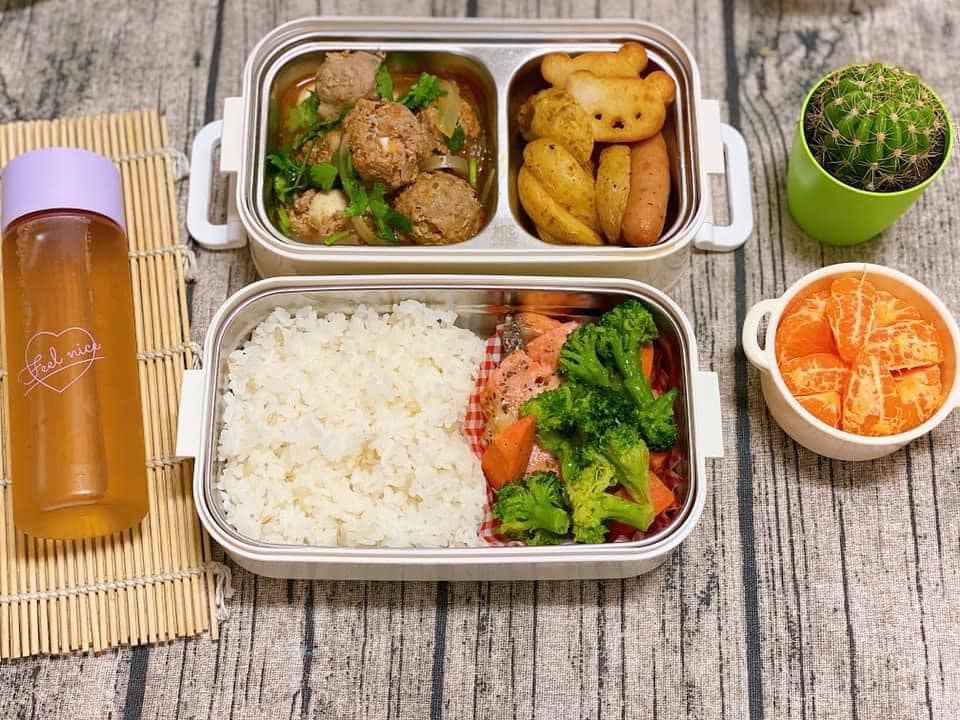
Catering providers must comply with strict food safety requirements, including:
- Ingredients:
- Raw materials must be purchased from suppliers with food safety certificates.
- They must be fresh, with no signs of damage, mold or contamination.
- Cooking process:
- Cooking and processing areas must be clean and well-ventilated.
- Staff must be trained in food safety, wearing clean uniforms and using gloves.
- Raw and cooked food must be processed and stored separately to avoid cross-contamination.
- Food preservation:
- Food must be stored at safe temperatures (hot food above 60°C, cold food below 5°C).
- Cooked food must be consumed within the prescribed time frame.
- Packaging and transportation:
- Meals must be packaged securely, without leakage and able to maintain temperature.
- Transportation must ensure appropriate conditions for food safety.
- Inspection and monitoring:
- Regular inspections must be conducted during preparation and supply.
- Records of food sources and preparation processes must be maintained if inspection is required.
- Customer feedback:
- Feedback on food and service quality must be received and improved accordingly.
- It is necessary to obtain procedures for handling food safety incidents to ensure consumer protection.
Compliance with these requirements not only ensures consumer health but also enhances the credibility and quality of catering services.
III. Questions on catering businesses
1. How to ensure nutritional balance in catering menus?
The menu should ensure:
- Nutritional balance with sufficient protein (from meat, fish, beans, and dairy), healthy fats (vegetable oils, limited saturated fats), and carbohydrates (whole grains, vegetables, fruits).
- Adequate vitamins and minerals through diverse and colorful vegetables.
- Reasonable portions based on consumers’ age, gender, and activity status.
- Food safety through fresh and properly processed ingredients.
2. Are catering businesses required to maintain a minimum capital level?
Under Article 24 of the Law on Enterprise 2020, enterprises may declare and take responsibility for their charter capital, except in cases where statutory capital is required by specialized legal regulations. The catering business is not listed in Appendix IV of the Law on Investment 2020 as a conditional business line, nor is it subject to statutory capital requirements under Decree No. 31/2021/ND-CP.
Accordingly, catering businesses are not subject to minimum capital requirements and may freely determine their charter capital in line with their operational scale.
3. What VAT rate applies to catering businesses providing meals to export-processing enterprises?
Catering businesses are generally subject to the standard VAT rate under Vietnamese law. Circular No. 219/2013/TT-BTC (as amended by Circulars 26/2015/TT-BTC and 43/2021/TT-BTC) regulates that 10% VAT is applied to food and beverage services, except in other specific cases. Enterprises should carefully consider the VAT Law and relevant circulars to ensure compliance.
IV. Legal advisory services on catering businesses
The above analysis provides an overview of legal regulations on catering businesses. For tailored legal assistance and further clarification, please contact NPLaw. Our experienced team of lawyers and legal experts are willing to provide professional and effective support to safeguard your rights and interests.












