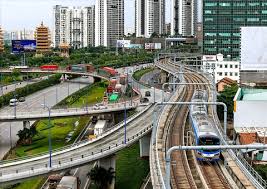
Infrastructure development is one of the main factors determining the success and sustainability of any project, particularly in the context of rapid urbanization and economic development today. The construction, renovation, and upgrading of infrastructure not only improve the quality of life but also create favorable conditions for production and business activities. However, to ensure feasibility, efficiency, and alignment with long-term development strategies, project infrastructure development must strictly comply with applicable legal regulations.
So, which legal regulations govern the process of infrastructure development in projects? The following article will help clarify the relevant legal provisions and requirements during the implementation of infrastructure projects.
I. Current demand for infrastructure development of projects
Project infrastructure development is a complex process facing numerous challenges, especially strong urbanization and fast-changing economic conditions. Below are some common difficulties and challenges encountered during project infrastructure development:
- Investment capital: Infrastructure projects require large-scale and long-term investment, while financial resources from investors and the state budget are sometimes insufficient to meet actual needs. It may lead to capital shortages or reliance on borrowed funds, thereby affecting project progress and quality.
- Difficulties in land clearance: Land clearance is always a major challenge in infrastructure development, particularly for projects related to urban development.
- Legal and administrative procedures: Procedures for construction permits, land-related approvals, and other administrative requirements may be prolonged, causing delays in project implementation. Regulations on environmental protection and labor safety also create additional obstacles during project execution.
- Infrastructure connectivity and synchronization: A lack of coordination among competent authorities, investors, and related stakeholders may result in overlap, waste, and inefficiency in the implementation of technical and social infrastructure systems.
II. Legal regulations on infrastructure development of projects
1. What is infrastructure development of a project?
Currently, Vietnamese law does not provide a specific definition of “infrastructure development of a project”. However, it may be understood as the process of designing, constructing, and upgrading works and facilities necessary to serve production, business activities, daily life, and urban development, with the aim of ensuring the project’s sustainable development.

Project infrastructure includes technical infrastructure (transportation, electricity, water supply, telecommunications, waste treatment, etc.) and social infrastructure (schools, hospitals, recreational facilities, housing, etc.).
The scope of project infrastructure development may be divided into the following main groups:
- Technical infrastructure:
- Transportation: Construction and upgrading of roads, bridges, tunnels, public transportation systems, ports, airports, etc.
- Water supply and drainage: Establishment of clean water supply systems for residents and businesses, as well as drainage and wastewater treatment systems.
- Electricity and energy: Development of electricity supply systems and renewable energy sources such as solar and wind power to meet residential and production needs.
- Telecommunications: Development of telecommunications networks, internet, and modern communication systems serving organizations and individuals.
- Social infrastructure:
- Housing: Construction of residential areas, houses, and apartment buildings meeting safety standards and quality requirements of life.
- Education and healthcare: Development of schools, educational institutions, hospitals, clinics, and community healthcare services.
- Culture and recreation: Development of recreational areas, parks, sports facilities, libraries, and cultural centers to meet entertainment needs and improve residents’ spiritual life.
- Environmental protection infrastructure:
- Waste treatment: Establishment of systems for solid waste, liquid waste, and emissions treatment to ensure environmental safety and public health.
- Landscape and greenery: Development of green spaces, parks, and gardens to create a healthy living environment, reduce air pollution, and enhance urban landscapes.
- Information technology (IT) infrastructure:
- Digital technology and smart cities: Investment in IT infrastructure to develop smart cities, applying technology to improve urban management, transportation, security, and public services.
2. Is it necessary to notify competent authorities when developing project infrastructure?
Project infrastructure development must be reported to and comply with the regulations of competent authorities, specifically:
- Obtaining approval for investment policy if the project falls under the cases prescribed in Articles 29, 30, and 31 of the Law on Investment;
- Obtaining construction permits from competent authorities before commencing construction works in accordance with Clause 1, Article 89 of the Law on Construction 2014, as amended by Clause 30, Article 1 of the amended Law on Construction 2020.
3. Financial capacity and investor capability requirements for infrastructure development of projects
Pursuant to Point c, Clause 1, Article 33 of the Law on Investment 2020, documents proving an investor’s financial capacity include at least one of the following: Financial statements for the last two years; a financial support commitment from the parent company; a financial support commitment from a financial institution; a guarantee of the investor’s financial capacity; or other documents proving the investor’s financial capacity.
III. Common questions on infrastructure development of projects
1. If investor selection is conducted through bidding, what are the evaluation criteria for selecting investors for industrial park and high-tech zone infrastructure projects?
Where investor selection is conducted through bidding, the evaluation criteria for selecting investors to implement industrial park and high-tech zone infrastructure construction and business projects are stipulated in Clause 2, Article 10 of Decree No. 35/2022/NĐ-CP, including:
- Capacity evaluation criteria: Based on the conditions specified in Clause 1 of this Article;
- Experience evaluation criteria: Based on land area scale, implementation schedule, and performance of industrial park infrastructure or other real estate projects previously implemented or contributed to by the investor or its founding organizations;
- Technical evaluation criteria: Based on approved construction planning decisions in industrial park, investment policy approval decisions, and other relevant legal regulations;
- Financial and commercial evaluation criteria: Based on the investment policy approval decision and relevant legal provisions on investor selection for land-use investment projects.
2. How is an industrial park or high-tech zone infrastructure investment and business project defined?
Pursuant to Clause 12, Article 2 of Decree No. 35/2022/NĐ-CP, an industrial park or high-tech zone infrastructure investment and business project is a land-use investment project for synchronous development of technical infrastructure within an industrial park and leasing land or subleasing land to investors for the construction of factories, offices, warehouses, service works, public utilities, and for performing investment, production, and business activities in accordance with law.
3. What is the role of project infrastructure development in socio-economic development?
Project infrastructure development plays a vital role in promoting economic growth and improving community quality of life. Well-developed infrastructure enhances regional connectivity, reduces transportation costs, increases production efficiency, and creates a favorable business environment.

Infrastructure works such as transportation, electricity, and water supply also improve living conditions, create employment opportunities, enhance education and healthcare quality, and ensure sustainable development. Moreover, infrastructure development attracts investment, stimulates industrial and service sectors, and contributes to a strong and prosperous economy.
4. Are there any incentive policies for investors developing industrial park or economic zone infrastructure?
Pursuant to Article 22 of Decree No. 35/2022/NĐ-CP, investment incentive policies for industrial parks and economic zones include:
- Industrial parks are classified as investment-incentive areas and are entitled to incentives applicable to areas with difficult socio-economic conditions;
- Economic zones are classified as investment-incentive areas and are entitled to incentives applicable to areas with particularly difficult socio-economic conditions;
- Specific incentives for infrastructure investment and business projects and projects within industrial parks and economic zones are applied in accordance with tax, land, credit, accounting laws, and other relevant regulations;
- Expenses for investment, construction, operation, purchase, leasing, or lease-purchase of housing, service works, and public utilities for workers are deductible expenses when determining corporate income tax;
- Housing and public utility projects for workers in industrial parks and economic zones are entitled to incentives under social housing regulations.
5. If an infrastructure project is delayed or fails to meet commitments, will the investor be subject to sanctions?
If an infrastructure project is delayed or fails to meet committed obligations, the investor may be subject to sanctions as stipulated in the contract and applicable laws, including contractual penalties, compensation for damages, or revocation of project licenses.
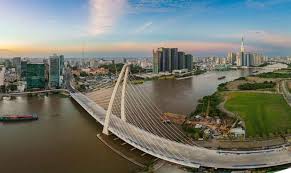
Competent authorities may also impose administrative or criminal sanctions depending on the severity of the violation.
IV. Legal consulting services on infrastructure development of projects
The above information is provided by NPLaw to support clients regarding infrastructure development of projects. Should you have any questions related to the above issues or other legal matters, please contact NPLaw for direct consultation and guidance from our lawyers.












