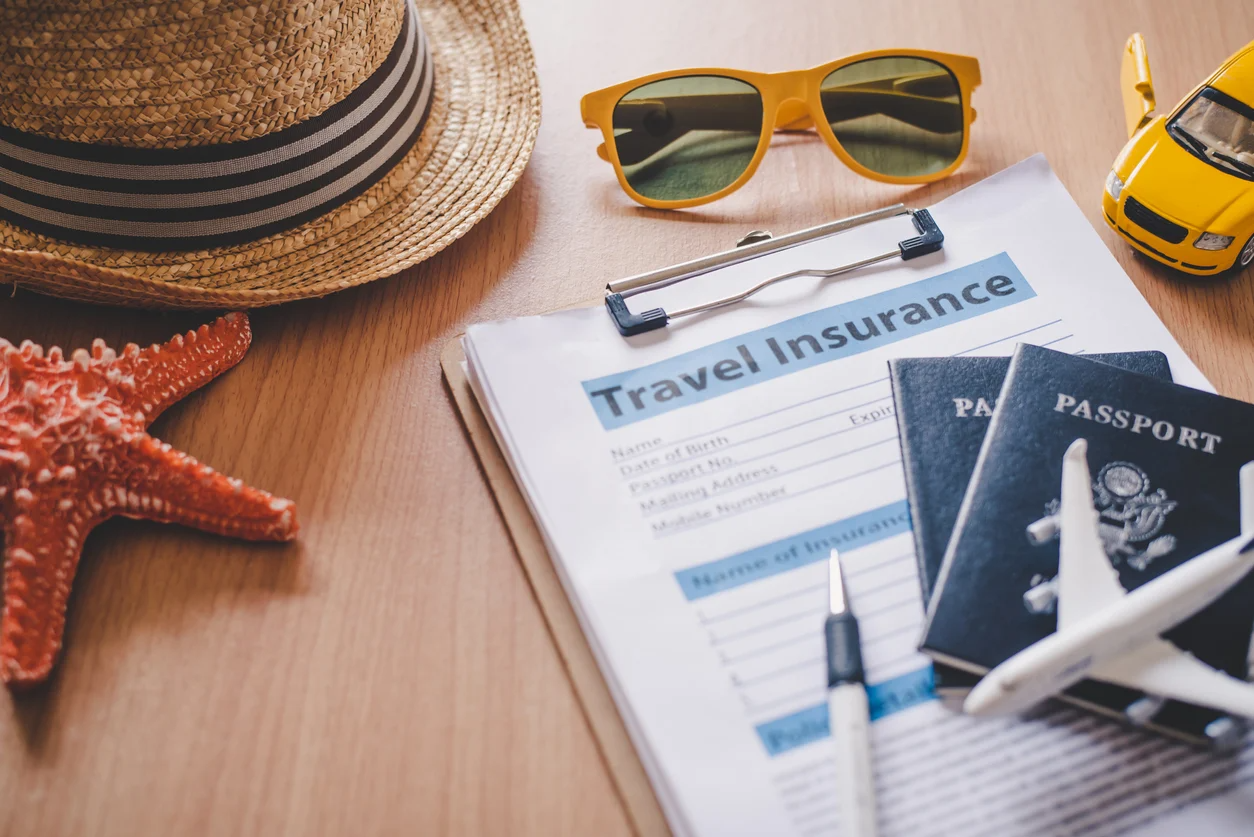
With the continued growth of the tourism industry, the application of insurance not only reassures tourists against risks during their journeys but also helps businesses mitigate financial and legal liabilities. In the following article, NPLaw invites readers to explore the legal issues relating to insurance in the tourism industry.
I. The role of insurance in the tourism industry
Insurance plays a vital role in protecting the rights and interests of both tourists and travel businesses. For tourists, insurance offers peace of mind throughout their trips, protecting them from risks such as accidents, property loss, or trip cancellations.
For travel businesses (service providers), insurance serves as a legal and financial risk mitigation tool, helping to safeguard them from liability claims arising from incidents during service delivery. Furthermore, providing insurance in accordance with regulations is not only a legal obligation but also a factor that enhances the company's reputation, builds customer trust, and contributes to the sustainable development of the tourism industry.
II. Legal regulations on insurance in the tourism industry
1. What is tourism insurance?
Tourism insurance refers to the type of insurance designed to protect both tourists and travel businesses against risks and incidents that may occur during travel. Its purpose is to ensure the interests of customers while minimizing losses for service providers in cases such as accidents, cancellations, or unexpected events throughout the journey.
2. Conditions for participation in tourism insurance
According to Clause 1, Article 31 of the Law on Tourism 2017, enterprises wishing to participate in tourism insurance must meet the legal conditions for operating travel service businesses. Specifically:
For domestic travel services:
- The enterprise must be established in accordance with laws on enterprise;
- It is required to obtain a business deposit in a bank;
- The person in charge must possess at least an intermediate-level qualification in tourism management or a certificate in domestic tourism operations.
For international travel services:
- Enterprises must meet the same conditions as domestic service providers;
- The person in charge must hold a college degree or higher in tourism management or a certificate in international tourism operations.
Thus, participating in tourism insurance is essential for protecting customer rights and a business’s reputation. These conditions such as financial deposits and professional qualifications ensure service quality and legal compliance, while reducing operational risks, and building credibility with customers.

3. Common types of insurance in the tourism industry
Common types of insurance in tourism include:
- Travel insurance;
- Trip cancellation insurance;
- Flight cancellation insurance;
- Travel accident insurance;
- Travel medical insurance;
- Baggage loss insurance;
- Civil liability insurance.
These insurance types help mitigate risks, safeguard customer rights, and ensure safety and operational stability for tourism businesses.
III. Questions on insurance in the tourism industry
1. When is travel insurance mandatory for tourists?
According to Clause 1, Article 37 of the Law on Tourism 2017, businesses operating domestic travel services are required to purchase insurance for tourists throughout the duration of the tour program to ensure their rights. However, if tourists already possess travel insurance covering the entire trip, businesses are not required to provide additional coverage.
Therefore, travel insurance is mandatory for the duration of the trip unless the tourists already hold comprehensive insurance for the entire journey.
2. Does travel insurance cover trip cancellations?
According to Article 7 of Decision No. 06-TC/BH, travel insurance may or may not cover trip cancellations depending on the cause of cancellation and the specific terms in the policy:
- If the trip cannot proceed as scheduled due to force majeure events such as storms, floods, fires, earthquakes, or transportation disruptions (e.g., breakdowns or cancellations), the insurance contract will automatically be extended for the next 48 hours without any additional fee. It isn’t required if the delay is under 48 hours.
- If the insured person voluntarily terminates the tour without a valid force majeure, the insurance coverage will end immediately at that time, and businesses will not refund any fee.
In summary, insurance will provide coverage in objective and force majeure situations causing trip cancellations, but not for voluntary cancellations without valid justification..
3. Are travel businesses required to purchase professional liability insurance?
Entities required by law to obtain professional liability insurance include:
- Law firms and individual lawyers (Clause 6, Article 40 of the Law on Lawyers 2006, as amended in 2012);
- Notary organizations (Clause 5, Article 33 and Article 37 of the Law on Notarization 2014);
- Insurance brokerage businesses (Point đ, Clause 2, Article 137 of the Law on Insurance Business 2022);
- Practicing accountants, accounting firms, and accounting service providers (household business) (Clause 6, Article 67 of the Law on Accounting 2015);
- Auditing firms and foreign audit firm branches in Vietnam (Clause 5, Article 29 of the Law on Independent Audit 2011);
- Construction consultants for projects of grade II and more (Point b, Clause 2, Article 9 of the Law on Construction 2014);
- Valuation businesses (Article 4 of Circular 38/2024/TT-BTC);
- Medical establishments and practitioners (Clause 1, Article 103 of the Law on Medical Examination and Treatment 2023);
- Insurance consultants and auxiliary insurance service providers (organizations) (Clause 4, Article 142 of the Law on Insurance Business 2022).
Accordingly, travel service businesses are not among the entities legally required to obtain professional liability insurance under current laws.
IV. Legal Consulting Services on Insurance in the Tourism Sector
The above article by NPLaw provides a legal overview of insurance in the tourism industry. With a team of experienced lawyers and legal consultants, NPLaw is always ready to accompany, advise, and support our clients on legal matters related to tourism insurance. For further legal assistance, please contact us through the following channels: