Natural disasters affecting business cooperation have become an increasingly common scenario in commercial activities. However, many contracts fail to adequately anticipate mechanisms for handling natural disasters, resulting in protracted disputes and difficulties in determining legal liability between the parties. The following article by NPLaw analyzes the legal issues surrounding natural disasters affecting business cooperation.
Natural disasters affecting business cooperation have become an increasingly common scenario in commercial activities. However, many contracts fail to adequately anticipate mechanisms for handling natural disasters, resulting in protracted disputes and difficulties in determining legal liability between the parties. The following article by NPLaw analyzes the legal issues surrounding natural disasters affecting business cooperation.
I. Current situation of natural disasters affecting business cooperation in the present context
In the context of increasingly complex climate change developments, natural disasters affecting cooperation between enterprises are no longer rare incidents but have become a recurring legal risk. Storms, floods, droughts, earthquakes, landslides, and large-scale epidemics may disrupt supply chains, halt production, and delay contractual performance, thereby leading to disputes between business partners.
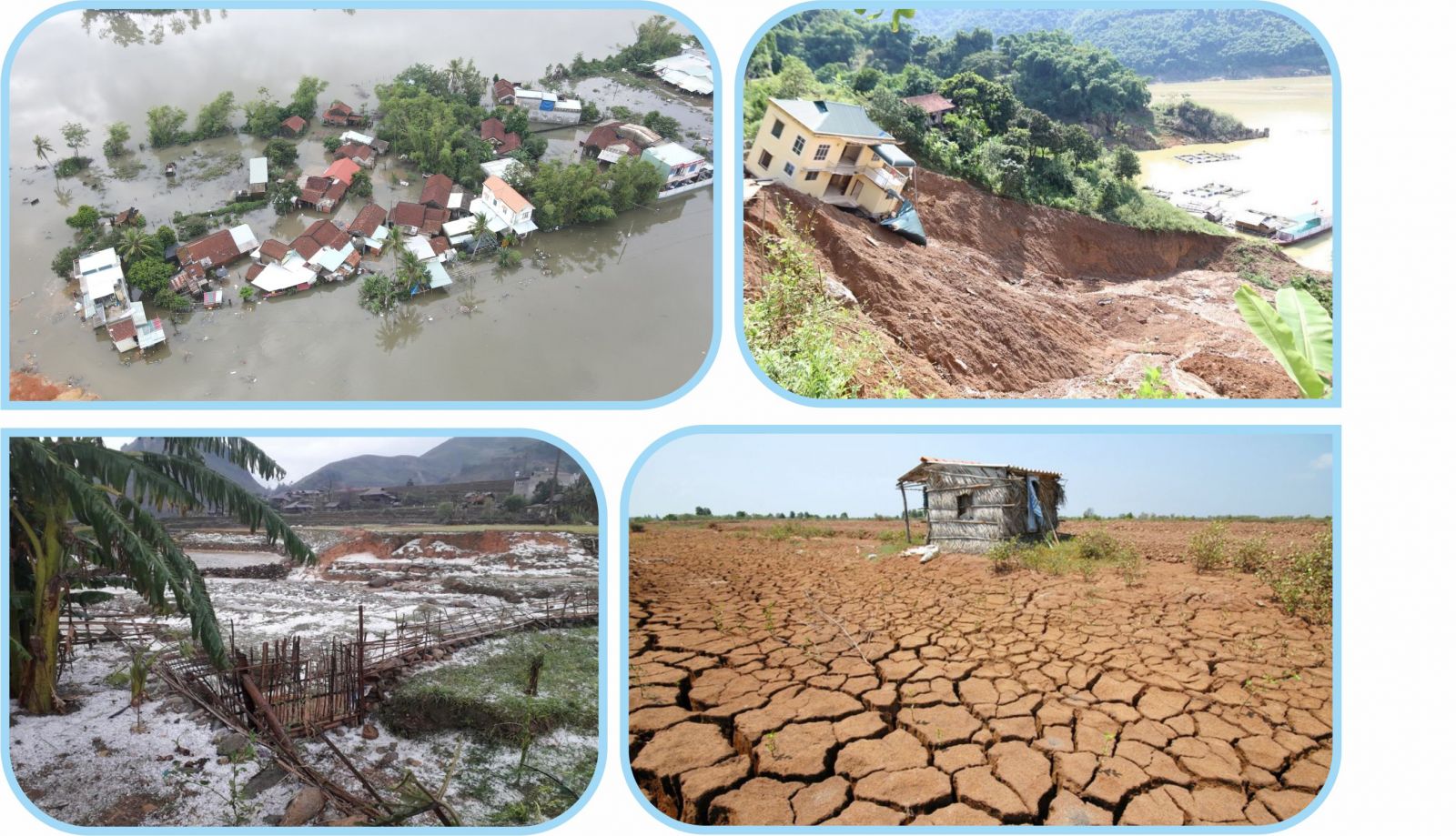
In Viet Nam, numerous cooperation projects in construction, energy, logistics, agriculture, and international trade have been severely impacted by natural disasters. Many enterprises struggle to determine whether such events constitute force majeure and whether liability may be exempted or damages claimed. This reality underscores the urgent need to correctly understand the legal nature of natural disasters affecting business cooperation in order to proactively prevent and resolve disputes. In conclusion, proper identification of natural disaster risks forms the foundation for enterprises to safeguard their lawful rights and interests.
II. Understanding natural disasters affecting business cooperation
Before considering legal liability or response measures when natural disasters occur, enterprises must correctly understand the nature and scope of natural disasters affecting business cooperation under the law and in contractual practice.
1. What are natural disasters affecting business cooperation and in which situations may they occur?
From a legal perspective, natural disasters affecting business cooperation are commonly assessed under the doctrine of force majeure. Pursuant to Clause 1 Article 156 of the Civil Code 2015, a force majeure is an event that occurs objectively, is unforeseeable, and cannot be remedied despite the application of all necessary and feasible measures. Natural disasters such as storms, floods, earthquakes, and tsunamis satisfy these criteria in many specific circumstances.
Such incidents may occur where natural disasters render one or more parties unable to perform or properly perform their cooperation obligations, for example, failure to deliver goods on time, failure to complete construction on schedule, or forced suspension of operations. In essence, natural disasters affecting business cooperation are understood as objective natural impacts that hinder or prevent the performance of cooperation contracts.
2. Which types of natural disasters commonly cause disruptions to cooperation between parties?
In practice, not all natural phenomena qualify as legal grounds for exemption from liability. Pursuant to Article 3 of the Law on Natural Disaster Prevention and Control 2013 (as amended by Point a Clause 1 Article 1 of the amended Law on Natural Disaster Prevention and Control and the Law on Dikes 2020), commonly recognized natural disasters include storms, floods, droughts, earthquakes, landslides, volcanic eruptions, and other extreme weather phenomena. In Viet Nam, storms and floods are the most common causes of natural-disaster-related disruptions to cooperation, particularly in agriculture, construction, and transportation.
Crucially, enterprises must demonstrate a direct causal connection between the natural disaster and the failure to perform contractual obligations pursuant to Article 351 of the Civil Code 2015. Accordingly, only natural disasters that have actual, serious, and objective impacts are considered within the legal framework. In conclusion, proper classification of natural disasters helps enterprises avoid abuse or misinterpretation of force majeure.
3. Why must enterprises clearly understand natural disasters affecting business cooperation before entering into contracts?
A clear understanding of natural disasters affecting business cooperation enables enterprises to proactively draft appropriate contractual clauses, allocate risks reasonably, and anticipate potential contingencies. Pursuant to Article 351 of the Civil Code 2015, a breaching party is exempted from civil liability only if it proves that the breach resulted from a force majeure.
Absent prior anticipation, enterprises may find themselves in a passive position and bear liability for damages even where the cause originates from natural disasters. Accordingly, comprehensive awareness of this risk is a critical step in contractual legal risk management. In conclusion, getting it right from the outset significantly reduces the likelihood of subsequent disputes.
4. How is the severity of natural disasters affecting business cooperation determined?
Pursuant to Clause 2 Article 18 of the Law on Natural Disaster Prevention and Control 2013, as guided by Chapters I and III of Decision No. 18/2021/QD-TTg, severity is assessed based on the scope of impact, duration, and capacity to remedy the consequences. Enterprises should collect evidence such as official disaster notices from competent state authorities, site records, damage assessment reports, and other supporting documents.
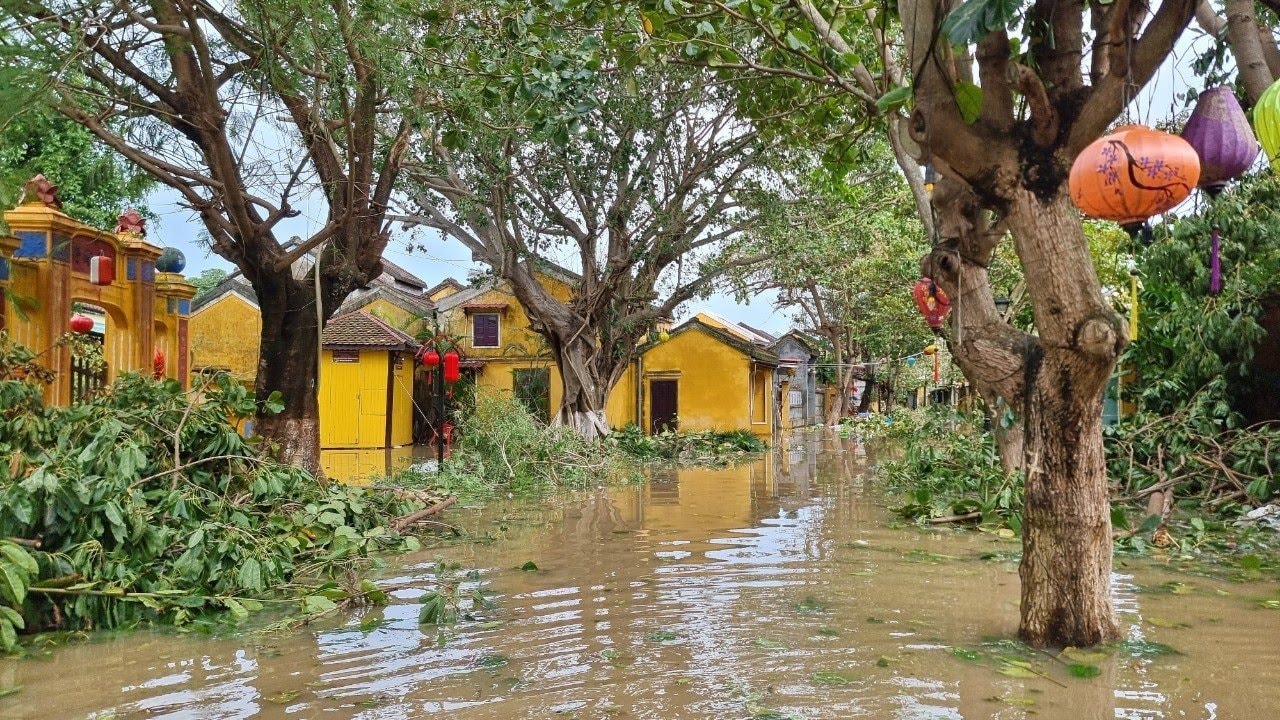
In addition, severity is evaluated based on the enterprise’s actual capacity to implement alternative measures. Where obligations remain performable by reasonable alternative solutions without disproportionate costs, it is difficult to qualify the event as force majeure. In conclusion, accurate assessment of severity is main to determining the legal liability of the parties.
5. Should natural disaster provisions affecting business cooperation be incorporated into contracts?
While not legally mandatory, practice shows that clearly stipulating clauses on natural disasters affecting business cooperation in contracts is highly necessary. Pursuant to Clause 2 Article 351 of the Civil Code 2015, incorporating natural disaster clauses reduces the burden of proof and limits disputes. In addition, Article 294 of the Law on Commerce 2005 provides that a breaching party may be exempted from liability where an agreed exemption case or a force majeure occurs.
Accordingly, incorporating provisions on natural disasters affecting business cooperation into contracts is advisable upon mutual agreement. Such clauses allow the parties to predefine the scope, handling mechanisms, notification timelines, and legal consequences when natural disasters occur, thereby minimizing disputes in practice. In conclusion, including these provisions in contracts constitutes an effective and strategic risk-prevention measure.
III. Legal provisions relevant to natural disasters affecting business cooperation
To determine the rights and obligations of the parties when natural disasters affect business cooperation, a proper understanding of relevant legal provisions is essential to avoid misinterpretation, misapplication, and unnecessary disputes.
1. Which laws govern the rights and obligations of the parties when natural disasters affect business cooperation?
The primary legal framework is the Civil Code 2015, in particular Article 156 on force majeure and Article 351 on civil liability for breach of obligations. In addition, Article 294 of the Law on Commerce 2005 provides for cases of liability exemption, including force majeure.
These provisions establish the legal basis for enterprises to seek exemption or mitigation of liability when natural disasters occur. In conclusion, familiarity with these provisions enables enterprises to apply the law accurately and effectively.
2. Which contractual clauses should be included to protect rights when natural disasters affect business cooperation?
Based on the principles of freedom of contract under Article 3 and the concept of contracts under Article 385 of the Civil Code 2015, the force majeure mechanism under Article 156 of the Civil Code 2015, and notification and confirmation obligations under Article 295 of the Law on Commerce 2005, enterprises have a sound legal basis to develop detailed force majeure clauses in contracts. Such clauses should clearly define the concept and scope of natural disasters, notification obligations, periods of suspension of performance, and termination options in the cases of prolonged disruptions. Clear clauses provide a solid legal basis for dispute resolution. In conclusion, the more detailed the contract, the better legal risks are controlled.
3. How may a party be handled if it breaches a contract due to natural disasters affecting business cooperation?
Where a breach is proven to result from a force majeure, the breaching party may be exempted from liability for damages pursuant to Article 351 of the Civil Code 2015. However, timely notification remains a mandatory obligation.
Conversely, if force majeure cannot be proven or notification obligations are not duly fulfilled, the breaching party may still take liability. In conclusion, rights and protections are secured only where enterprises fully comply with legal requirements.
IV. Questions regarding natural disasters affecting business cooperation
In the course of contract performance, natural disasters affecting business cooperation often lead to questions concerning notification obligations, liability for damages, and dispute resolution mechanisms, requiring enterprises to have a correct understanding in order to safeguard their lawful interests.
1. What procedures must be followed to notify counterparties of natural disasters affecting business cooperation in compliance with the law?
Pursuant to Article 295 of the Law on Commerce 2005, enterprises must notify their counterparties in writing at the earliest opportunity and provide evidence of the natural disaster. It constitutes an obligation of good faith and honesty in contractual relations. Accordingly, enterprises should follow these steps:
- Step 1: Determining whether the natural disaster satisfies the criteria of a force majeure under Clause 1 Article 156 of the Civil Code 2015. Proper legal characterization forms the basis for invoking exemption from liability.
- Step 2: Once it is determined that the natural disaster directly affects contractual performance, promptly notify the counterparty in writing in accordance with Article 295 of the Law on Commerce 2005, as soon as the enterprise becomes aware or should have become aware of the disaster.
- Step 3: Together with the notification, providing evidence proving that the natural disaster is real and is the direct cause of non-performance or delayed performance, pursuant to Clause 2 Article 294 of the Law on Commerce 2005 and Clause 1 Article 91 of the Civil Procedure Code 2015 (as amended in 2025).
- Step 4: After notification and submission of evidence, proactively coordinating with the counterparty to mitigate consequences and limit losses in accordance with Article 305 of the Law on Commerce 2005.
Notably, failure to notify or late notification may, under Article 295 of the Law on Commerce 2005, result in the loss of the right to exemption from liability and lead to liability for damages caused by such failure or delay, even where the natural disaster is real.
2. In the event of natural disasters affecting business cooperation, may enterprises claim or be required to pay compensation?
Where natural disasters affect business cooperation, enterprises are generally not required to compensate for damages if they can prove that non-performance or improper performance resulted from a force majeure event. Pursuant to Clause 1 Article 156 of the Civil Code 2015, a force majeure is objective, unforeseeable, and unavoidable despite all necessary measures; where these conditions are met, the breaching party is exempted from civil liability, including liability for damages under Article 351 of the Civil Code 2015.
However, the law also recognizes the parties’ freedom of contract under Article 385 of the Civil Code 2015. Accordingly, where the contract stipulates otherwise in respect of liability for damages, risk allocation, or financial obligations in the cases of natural disasters, such agreement prevails provided it does not contravene the law or social ethics.
Accordingly, whether compensation may be claimed or required in the cases of natural disasters largely depends on the contractual terms agreed upon. In conclusion, the contract serves as the decisive legal basis for determining liability for damages in cases of natural disasters affecting business cooperation.
3. What risks arise if there is no clear agreement on natural disasters affecting business cooperation?
- Where contracts lack clear provisions on natural disasters affecting business cooperation, enterprises may face significant legal risks. Pursuant to Clause 2 Article 351 of the Civil Code 2015, the affected party bears the burden of proving all conditions of force majeure.
- The absence of detailed contractual provisions often leads to disputes over severity and causation between the disaster and contractual obligations. In addition, pursuant to Clause 2 Article 295 of the Law on Commerce 2005, the absence of clear timelines and forms of notification may result in enterprises being deemed to have provided untimely notice and losing the right to exemption from liability.
Accordingly, failure to agree in advance on natural disaster scenarios means enterprises accept a higher level of legal risk, which should be carefully considered when entering into cooperation contracts.
4. What should enterprises do if the counterparty does not recognize natural disasters affecting business cooperation?
Where a counterparty does not recognize natural disasters affecting business cooperation, enterprises should proactively collect and preserve objective evidence to substantiate the force majeure, including official disaster announcements, warnings, or confirmations from competent state authorities, site records, damage reports, and other relevant documents. Pursuant to Clause 2 Article 351 of the Civil Code 2015, the burden of proof lies with the affected party; therefore, evidence is decisive for exemption from liability. Where the parties cannot reach consensus, enterprises may request resolution by competent professional authorities or initiate proceedings before the court pursuant to Article 186 of the Civil Procedure Code 2015.
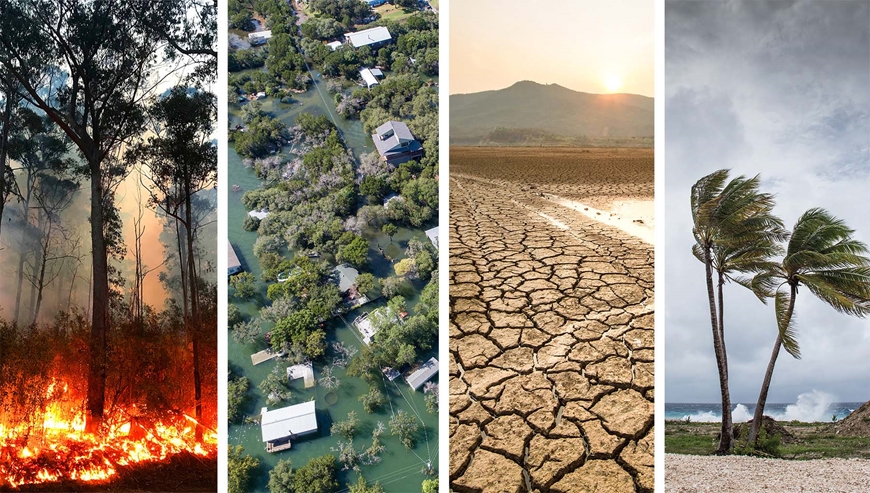
However, prior to litigation, prioritizing negotiation and mediation remains consistent with the principles of good faith and honesty in contractual relations under Article 3 of the Civil Code 2015 (as amended in 2025), while also saving time and procedural costs. In conclusion, in cases where counterparties deny the occurrence of natural disasters, thorough preparation of evidence and selection of an appropriate legal strategy are key to protecting enterprises’ lawful rights and interests.
5. Can the absence of clear provisions on handling natural disasters affecting business cooperation lead to disputes?
The absence of clear provisions on handling natural disasters affecting business cooperation can indeed lead to disputes in contract performance. Pursuant to Article 385 of the Civil Code 2015, contracts establish the rights and obligations of the parties; where contracts lack specific mechanisms for addressing natural disasters, the parties lack a common basis for response when such events occur. In such cases, pursuant to Clause 2 Article 351 of the Civil Code 2015, parties may diverge in assessing whether the disaster qualifies as force majeure, leading to disputes over performance and liability for damages. Moreover, where contracts lack clarity, dispute resolution bodies must apply general legal provisions pursuant to Article 6 of the Civil Code 2015, resulting in less predictable outcomes, prolonged proceedings, and increased litigation costs.
Accordingly, enterprises should invest serious effort in contract drafting, as risk prevention through clear contractual clauses is consistently more effective and secure than dealing with disputes after they arise.
V. Are you seeking a reputable law firm to support matters relating to natural disasters affecting business cooperation?
With extensive experience in advising on and resolving contractual disputes for enterprises, NPLaw stands willing to assist clients in risk assessment, drafting force majeure clauses, and representing lawful interests where natural disasters affect business cooperation.
The above information is for reference only. For case-specific legal advice, clients are encouraged to contact: