Obtaining defective products is a pressing issue, damaging the consumers’ health and the businesses’ reputation. Understanding the legal provisions governing defective products, the responsibilities of manufacturers and traders, and the consumers’ rights is essential. In this article, NPLaw analyzes the current situation, concept, and categories of defective products, methods of resolution, and relevant legal regulations, while addressing relevant questions to help consumers protect their lawful rights and assist businesses in establishing quality management systems to minimize risks associated with defective products.
Obtaining defective products is a pressing issue, damaging the consumers’ health and the businesses’ reputation. Understanding the legal provisions governing defective products, the responsibilities of manufacturers and traders, and the consumers’ rights is essential. In this article, NPLaw analyzes the current situation, concept, and categories of defective products, methods of resolution, and relevant legal regulations, while addressing relevant questions to help consumers protect their lawful rights and assist businesses in establishing quality management systems to minimize risks associated with defective products.
I. Current situation of defective products
With the currently significant development of industrial production in Vietnam, defective products have increasingly become a major concern for both consumers and businesses. Defective products not only infringe upon consumers’ rights but also cause financial and reputational damage to businesses. The current situation may be summarized as follows:
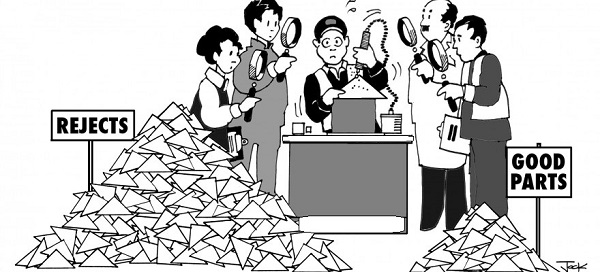
- Increase in complaints: In practice, regulatory authorities regularly receive complaints regarding the quality of goods and services on the market. Such complaints often involve defective products, unclear origins, and violations of consumer rights, particularly in essential sectors such as electronics, food, and fashion.
- E-commerce: The rapid expansion of e-commerce platforms has increased in cases of defective products, including goods inconsistent with descriptions, damaged items, or those failing to meet quality standards.
- Economic impact: Defective products cause financial losses amounting to hundreds of billions (VND) annually, including costs of returns, compensation, and loss of consumer trust.
- Legal awareness: Many consumers remain unaware of legal regulations on compensation or replacement for unqualified products in accordance with the law.
II. What are defective products?
1. Definition
Defective products are not explicitly defined in legal documents. However, the term generally refers to goods that fail to meet quality standards and declared technical specifications, or are inconsistent with information and documents provided by the manufacturer or trader (e.g., products are being damaged, having defects, or containing harmful substances).
2. Causes of defective products
Defective products may arise from a variety of causes, including:
- Design defects: Designs are unreasonable, unsafe, or unsuitable for intended use.
- Manufacturing defects: Products obtain errors during production or assembly, or use substandard raw materials.
- Storage and transportation defects: Damage is caused by improper storage or transportation.
- User misuse: Damage caused by consumers failing to use the product in accordance with instructions.
3. Remedies for defective products
When identifying defective products, consumers may take the following steps to protect their rights:
- Contacting the seller: Notifying the seller of the defective products and requesting repair, replacement, or compensation.
- Collecting evidence: Retaining invoices, warranty cards, defective products, and other relevant documents.
- Requesting product inspection: Requesting competent authorities to inspect product quality to determine the cause if necessary.
- Filing complaints: Submitting complaints to competent authorities if the seller fails to provide an adequate resolution.
- Initiating legal proceedings: Filing civil lawsuits with the competent People’s Court to claim compensation for damages.
III. Legal regulations on defective products
1. Applicable legal provisions
The resolution of issues related to defective products is governed by the Law on Consumer Protection 2023 and its guiding documents, as follows:
- Article 8 (Right to safety, measurement, quantity, and quality of goods and services): Consumers have the right to receive safe, high-quality goods and services consistent with specifications and quantities.
- Article 32 (Liability of business organizations and individuals for defective goods and services causing damage): Manufacturers and traders are liable to compensate for damages caused by defective goods and services.
- Article 34 (Compensation for damages caused by defective products): Business organizations and individuals are liable to compensate for damages to life, health, or property caused by defective products.
2. Authorities with jurisdiction
The following entities have authority to handle issues related to defective products:
- Vietnam Competition and Consumer Authority (Ministry of Industry and Trade): Handles violations and resolves consumer complaints under Chapter VI of the Law on Consumer Protection 2023.
- Market Surveillance Authority: Inspects and handles violations relating to counterfeit or defective goods under Decree No. 98/2020/ND-CP.
- Inspectorate of the Ministry of Science and Technology: Handles violations concerning product quality or intellectual property under Decree No. 99/2013/ND-CP.
- People’s Courts: Resolves civil disputes concerning defective products under Articles 35 and 37 of the Civil Procedure Code 2015.
- Commercial Arbitration: Resolves contractual disputes containing arbitration clauses, e.g., through VIAC under the Law on Commercial Arbitration 2010.
3. Consequences where defective products cannot be remedied
If defective products cannot be repaired, replaced, or otherwise rectified, and cause damage to consumers, consumers may claim compensation. The level of compensation is determined, as follows:
- Damage to health or life: Medical expenses, funeral expenses (if applicable).
- Property damage: Value of damaged property, or repair or replacement costs.
- Lost income: Actual income lost due to work disruption caused by defective products.
- Non-material damage: Compensation for mental suffering.
If the parties cannot reach an agreement, the court will decide based on evidence and legal provisions.
IV. Questions on defective products
1. Do consumers have the right to claim compensation for defective products?
Consumers have the right to claim compensation for damages arising from defective products under Article 8 of the Law on Consumer Protection 2023 and Article 584 of the Civil Code 2015.

Conditions:
- The defective product damages property, health, or mental well-being.
- There is evidence (e.g., invoices, photos, inspection reports).
- A causal connection exists between the defect and the damage.
Compensation may include:
- Actual damages (repair or medical expenses).
- Lost profits due to defective products.
- Non-material damages (if any).
Procedures:
- Contacting the business to request compensation.
- Filing a complaint with the Vietnam Competition and Consumer Authority or initiating court proceedings if an agreement is unsuccessful .
2. Is it necessary to report defective products to authorities?
In certain cases, reporting defective products to competent authorities is mandatory, particularly where products may affect multiple consumers. The reporting process generally includes:
- Notification: Submitting a written notice to the Vietnam Competition and Consumer Authority (Ministry of Industry and Trade) or the local Department of Industry and Trade regarding the defect and any corrective or recall measures.
- Information: Providing detailed information regarding the origin, nature, and quantity of the defective product, and damages caused.
- Cooperation with the competent authority: Providing documents and evidence, and cooperating with authorities during investigation and resolution.
3. What factors determine whether a product is defective?
Factors include:
- Non-compliance with quality standards: Failure to comply with declared or legally required standards.
- Failure to function: Not obtaining function as advertised.
- Defects: Design, manufacturing, or storage/transport defects affecting the product’s quality and safety.
- Risk to consumers: Posing a risk of injury, illness, or property damage.
Defective products are generally determined based on inspection and appraisal by competent agencies or designated organizations.
4. Who takes legal liability for damages caused by defective products?
Legal liability depends on:
- Type of product: General goods or goods subject to strict safety requirements.
- Nature of defect: Products arising from design, manufacturing, or storage/transport.
- Conduct of relevant parties: Whether the manufacturer, importer, distributor, or retailer was at fault.
In principle, manufacturers or importers take primary liability. Retailers may also be liable in cases of improper storage, transport, or misrepresentation.
5. Are documents required to return or exchange defective products?
Under Article 8 of the Law on Consumer Protection 2023, consumers should provide supporting documents when requesting product return or replacement, such as:
- Purchase invoice.
- Warranty card (if within warranty period).
- The defective product.
- Other documents, if applicable (inspection certificates, product condition reports).
V. Why consult Lawyers regarding defective products?
Consulting lawyers specializing in consumer protection is highly advisable in cases involving defective products, as lawyers can:

- Objectively assess the situation and provide accurate legal advice.
- Guide consumers in collecting evidence and preparing valid complaints or lawsuits.
- Represent clients in negotiations with sellers or manufacturers, or in court proceedings to protect their rights.
- Help save time, costs, and effort during dispute resolution.
Contact NPLaw today for professional legal consultation and support regarding defective products. We are committed to protecting your lawful rights and resolving disputes effectively.