Currently, business activities are a growing focus for many individuals and organizations seeking investment and development opportunities. However, numerous business sectors are classified as conditional and may only operate upon obtaining a Certificate of Eligibility for Business Operations from competent state authorities. So, what exactly is this certificate, and why is it important? Let NPLAW help you understand through the article below.
I. What is a certificate of eligibility for business operations?
The Certificate of Eligibility for Business Operations, also commonly referred to as a “sub-license,” is not specifically defined under current legal regulations. However, it can be understood as a legal document issued by a competent authority certifying that an individual or organization meets the required conditions to operate in a conditional business sector.
According to Clause 1, Article 7 of the Law on Investment 2020, conditional business sectors are those in which investment and business activities must meet specific requirements for reasons related to national defense, security, social order and safety, social ethics, and public health.
II. Is it permissible to operate without this certificate? what are the fines?
According to Clause 1, Article 8 of the Law on Enterprise 2020, businesses are obligated to meet the necessary conditions when engaging in conditional investment and business sectors.
As per Point a, Clause 2, Article 206 of the same law, if a business operates in a conditional sector without fulfilling the legal requirements, the business registration agency or a competent state authority may request the enterprise to temporarily suspend, suspend, or terminate its operations.
If the business continues operations without the certificate, it may face administrative penalties ranging from 50,000,000 VND to 100,000,000 VND (pursuant to Point b, Clause 4, Article 46 of Decree No. 122/2021/ND-CP).

III. Legal regulations on the certificate of eligibility
Types of documentation recognized as Certificates of Eligibility include:
- Licenses;
- Certificates;
- Practice certificates;
- Written confirmations or approvals;
- Other requirements that individuals or organizations must meet to engage in business without necessarily having a written confirmation from a competent authority.
(According to Clause 6, Article 7 of the Law on Investment 2020)
Key characteristics of the Certificate of Eligibility:
- It is mandatory for businesses operating in conditional sectors listed in Appendix IV of the Law on Investment 2020;
- If individuals or organizations engage in sectors not listed in Appendix IV, they are not required to obtain such a certificate;
- Each conditional sector has specific conditions for obtaining the certificate;
- Most certificates have an expiration date, requiring businesses to apply for renewal or reissuance to continue operations. This is considered a limitation of this type of certificate.
IV. Requirements for obtaining the Certificate
Each sector has its own business conditions, detailed in legal documents issued by the National Assembly, the Standing Committee of the National Assembly, or the Government.
According to Clause 5, Article 7 of the Law on Investment 2020, the conditions for obtaining a certificate include:
- Applicable subjects and scope;
- Applicable forms of conditions;
- Content of conditions;
- Dossier, procedures, and administrative processes (if any);
- Competent authorities handling procedures;
- Validity period of the license, certificate, or confirmation document.
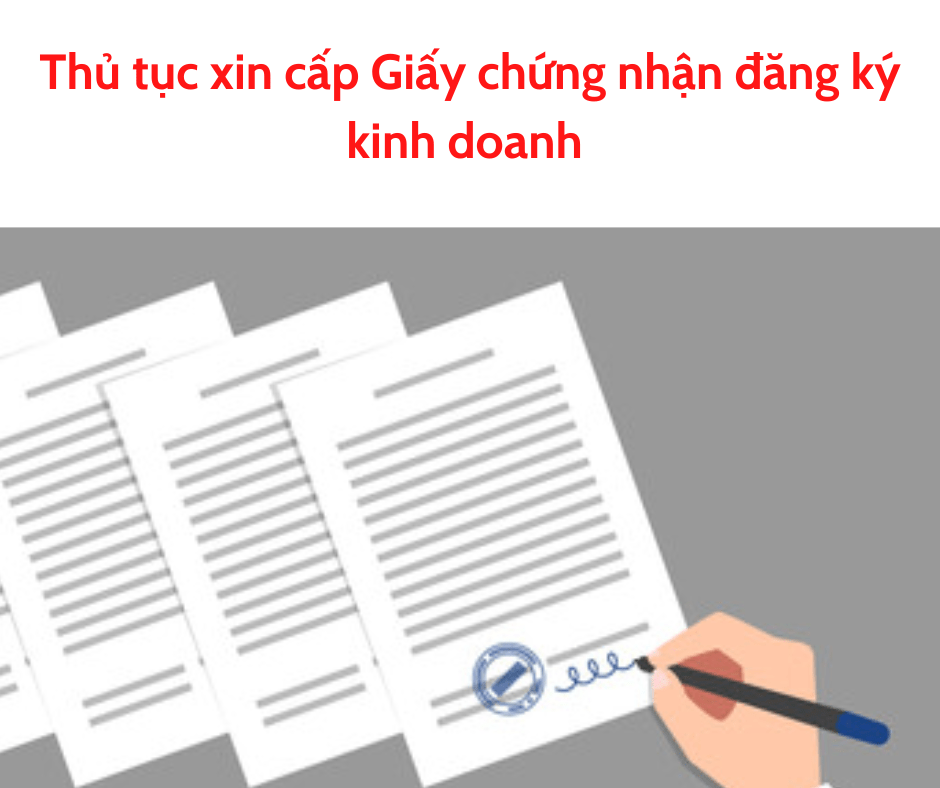
V. Procedures to obtain the Certificate of Eligibility
1. Dossier
Depending on the business sector, the documents required may vary. However, a basic dossier typically includes:
- Application for conditional business license;
- Legal identification documents of the business owner/contributing members/founding shareholders;
- Proof of professional qualifications and experience of key personnel;
- Copy of the business registration certificate;
- Operational plan of the business;
- Additional documents specific to each sector.
2. Procedure
Although each sector has its unique procedures, the basic steps generally include:
Step 1: The organization or individual submits a complete dossier to the competent authority.
Step 2: Within the legally prescribed period, the authority will review the dossier. If all conditions are met, the certificate will be issued. If not, the applicant will receive a written explanation.
Example: For food safety certification:
+ Step 1: Submit the application to the competent authority.
+ Step 2: Within 15 days of receiving a valid dossier, the authority will inspect the premises. If conditions are met, a certificate will be issued; otherwise, a written refusal will be provided.
(Legal basis: Clause 2, Article 36 of the Law on Food Safety 2010)
Each industry has its own conditions and processing timeframes.
VI. Questions regarding Certificate of Eligibility
1. Which authority is responsible for evaluating applications for the Certificate of Eligibility?
It depends on the business sector.
Example: According to Clauses 1 and 2, Article 40 of Decree No. 06/2017/ND-CP, the Ministry of Finance is responsible for evaluating applications for certificates related to international football betting.
2. What if I lose the certificate?
In case of loss, the applicant must file a request for reissuance with the competent authority.
3. Can the certificate be transferred?
Under current law, transferring a Certificate of Eligibility is a legal violation. Administrative penalties vary by sector.
Example: Transferring a betting certificate may result in fines of 160,000,000 VND to 180,000,000 VND. (As per Clause 2, Article 5, Decree No. 137/2021/ND-CP). For individuals, the fine is 50% of that imposed on organizations.
In addition, violators may face certificate revocation for 6 to 12 months and must return any proceeds from the illegal transfer.
(Legal basis: Clauses 2 and 4, Point b, Clause 5, Article 9 of Decree No. 137/2021/ND-CP)
In conclusion, a Certificate of Eligibility for Business Operations is a license required for individuals and organizations engaging in conditional business sectors under the Law on Investment 2020. For further questions or legal support related to this certificate or other business matters (e.g., intellectual property, labor law, or sub-licenses), please contact NPLAW for timely and professional assistance.