Regulations governing the alcohol business are a crucial aspect that enterprises must thoroughly understand when entering this industry. The alcohol business not only generates profits for enterprises but also impacts consumer health and safety, as well as social order. Therefore, alcohol enterprises must comply with legal regulations. Any violations of these regulations can lead to administrative or criminal penalties or compensation to consumers. This article will provide you with an overview of current alcohol business regulations in Vietnam.
Regulations governing the alcohol business are a crucial aspect that enterprises must thoroughly understand when entering this industry. The alcohol business not only generates profits for enterprises but also impacts consumer health and safety, as well as social order. Therefore, alcohol enterprises must comply with legal regulations. Any violations of these regulations can lead to administrative or criminal penalties or compensation to consumers. This article will provide you with an overview of current alcohol business regulations in Vietnam.
I. The Current State of the Alcohol Business
Alcohol is one of the products with high economic value, contributing significantly to the state budget and providing jobs for millions of workers. According to the Vietnam Alcohol Association, in 2020, the total alcohol production reached approximately 4.8 billion liters, of which industrial alcohol accounted for 40% and traditional alcohol for 60%. The estimated value of alcohol production is about 100 trillion VND, accounting for 0.5% of GDP. In addition, the alcohol industry brings in about 50 trillion VND in taxes to the state budget each year.
However, the alcohol business also faces numerous challenges and difficulties. One of the biggest problems is the counterfeiting and smuggling of foreign liquor. According to the Vietnam Alcohol Association, there are about 300-400 foreign liquor brands in the Vietnamese market, but only about 30 brands are officially licensed for import. Counterfeit and smuggled foreign liquors not only harm consumers' health but also damage the reputation of genuine alcohol manufacturers and businesses. In addition, the alcohol industry also faces fierce competition from other types of beverages such as beer, soft drinks, tea, and coffee.
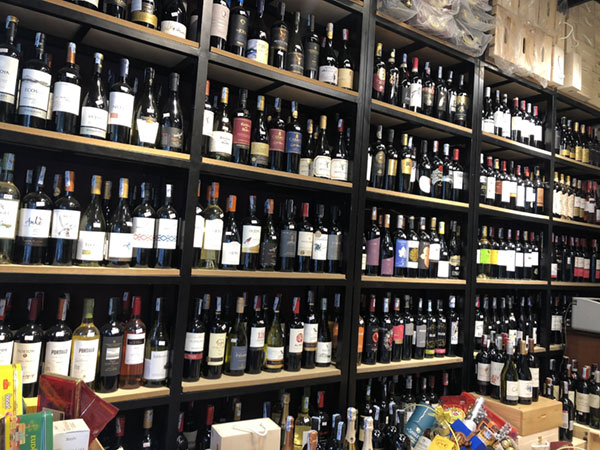
II. Legal Regulations on Alcohol Business
1. At what alcohol content level does selling alcohol require a retail alcohol license?
According to Article 4 of Decree 105/2017/ND-CP (amended by Clause 1 of Article 16 of Decree 17/2020/ND-CP), wholesalers and retailers of alcohol with an alcohol content of 5.5 degrees or higher must have a license.
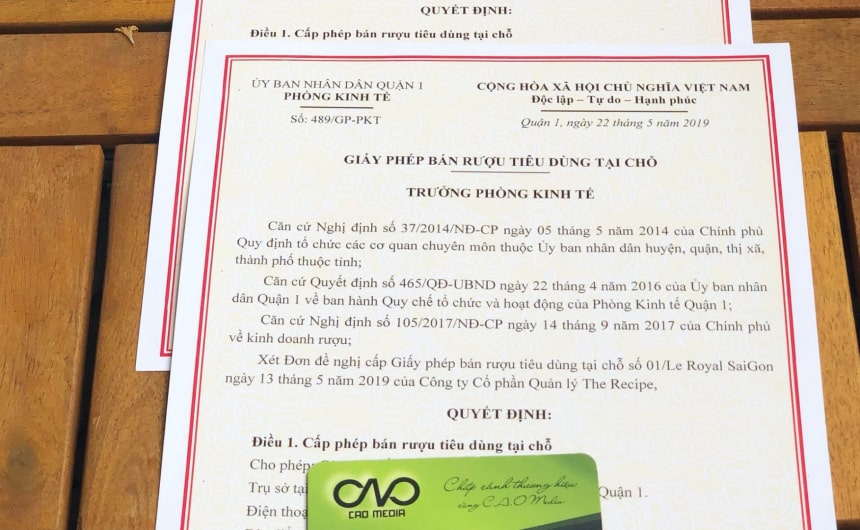
- Does retailing alcohol with an alcohol content below 5.5 degrees require an alcohol business license?
Retailing alcohol with an alcohol content below 5.5 degrees does not require an alcohol business license. However, businesses must register their on-site alcohol consumption with the Economic and Infrastructure Department or the Economic Department under the People's Committee of the district or city where the business is located.
2. What documents are required to apply for a retail alcohol license?
According to Article 23 of Decree 105/2017/ND-CP, the application for a retail alcohol license must include:
- An application for a retail alcohol license according to Form No. 01 issued with this Decree.
- A copy of the business registration certificate of the enterprise, cooperative, or business household.
- A copy of the lease/borrow agreement or document proving the legal right to use the premises intended for retail.
- A copy of the introduction letter or principal agreement of the alcohol manufacturer, alcohol distributor, or alcohol wholesaler.
3. Responsibilities of Alcohol Businesses
The main responsibilities include:
- Adhere to conditions for alcohol business operations, including regulations on advertising, promotions, sponsorship, food safety, quality, standards, technical regulations, and labeling of alcohol products. Information about alcohol products must be accurate and scientifically based.
- Provide complete and accurate information about the business operations of the establishment as required by the competent authorities.
- Do not employ individuals under 18 years old directly in alcohol business activities or advertising.
- Recall and handle alcohol products that do not meet quality and food safety standards, as stipulated by food safety regulations.
- Post notices prohibiting the sale of alcohol to individuals under 18 years old. If there is doubt about a buyer’s age, the seller has the right to request identification.
- Advise and assist customers not to drive or use personal vehicles after drinking alcohol; encourage the use of public transportation.
- Do not establish new alcohol sales points for on-site consumption within a 100-meter radius from healthcare facilities, kindergartens, preschools, or general education institutions.
III. Answers to Some Questions about the Alcohol Business
1. Is there a penalty for operating an alcohol business without a license?
According to point a, clause 3, Article 6 of Decree 98/2020/ND-CP, a fine of 10,000,000 to 15,000,000 VND shall be imposed for the act of trading in goods and services in a conditional investment business line without a business license as prescribed.
Therefore, operating an alcohol business without a license will result in a fine ranging from 10,000,000 to 15,000,000 VND.
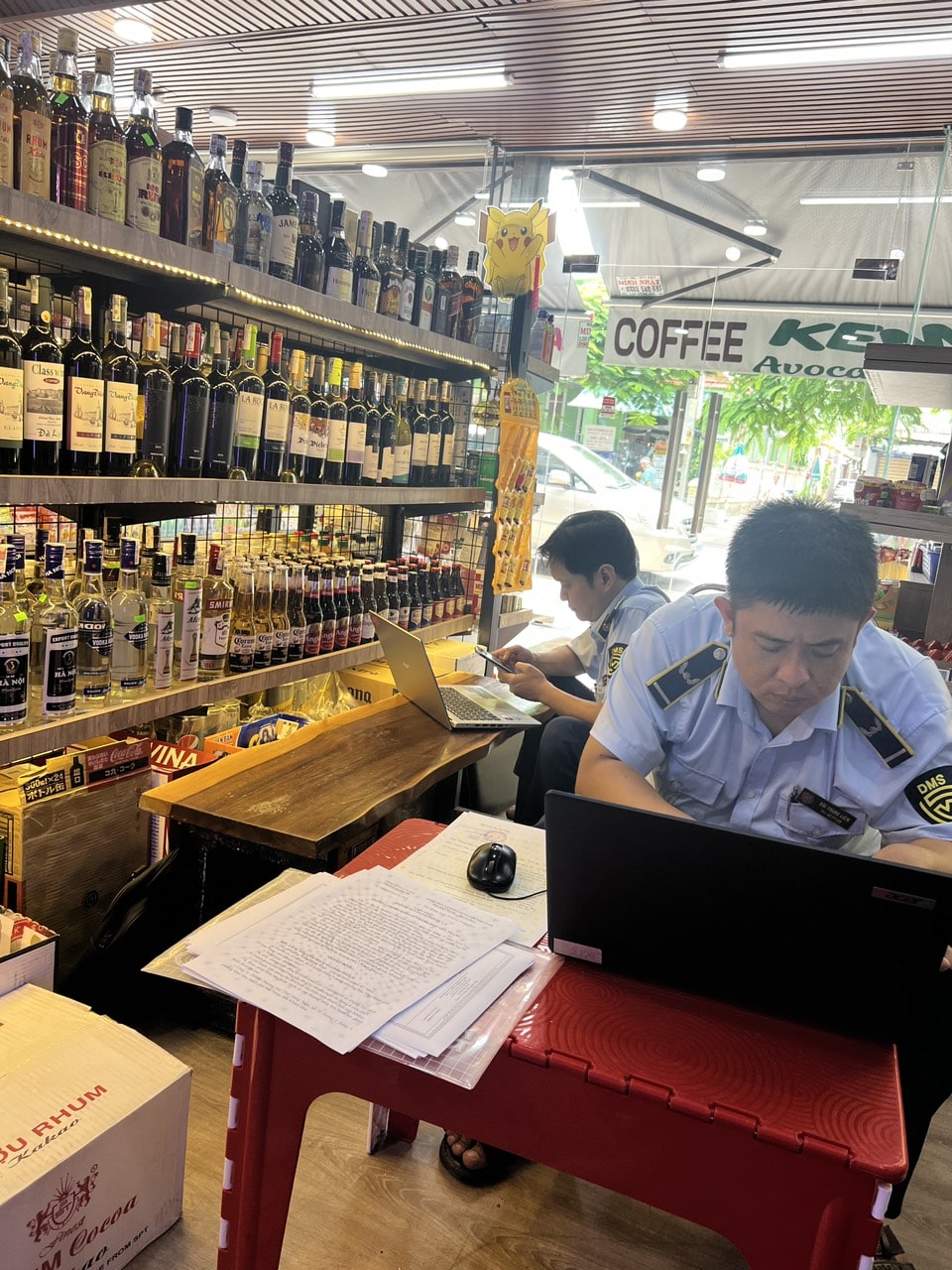
2. Is there a penalty for selling alcohol that exceeds the permitted alcohol content?
If a business sells alcohol that exceeds the permitted alcohol content, it will be subject to penalties as prescribed by law. Specifically, according to Article 29 of Decree 98/2020/ND-CP:
- A fine of 500,000 to 1,000,000 VND shall be imposed on traders of alcohol with an alcohol content of less than 5.5 degrees who provide inaccurate or false information about the health effects of alcohol.
- A fine of 10,000,000 to 20,000,000 VND shall be imposed on traders of alcohol with an alcohol content of 5.5 degrees or higher who provide inaccurate or false information about the health effects of alcohol.
3. What is the administrative penalty for importing alcohol without a business license?
According to Article 26 of Decree 98/2020/ND-CP, a fine of 20,000,000 to 30,000,000 VND shall be imposed for the act of importing semi-finished alcohol products to produce finished alcohol products with an alcohol content of 5.5 degrees or higher without a business license as prescribed.
Therefore, importing alcohol without a business license will result in a fine ranging from 20,000,000 to 30,000,000 VND.
4. When is it not necessary to declare alcohol products for business purposes?
Clause 2 of Article 16 of Decree 17/2020/ND-CP stipulates that organizations and individuals engaged in the alcohol business shall declare alcohol products, except in cases where households or individuals produce handcrafted alcohol and sell it to establishments with a liquor production license for reprocessing.
Therefore, organizations and individuals engaged in the alcohol business must declare alcohol products, except for households or individuals producing handcrafted alcohol and selling it to establishments with a liquor production license for reprocessing.
5. Does selling food along with alcohol require registration?
Clause 7 of Article 16 of Decree 17/2020/ND-CP stipulates that they shall have the legal right to use a fixed business location with a clear address and must register the sale of alcohol for on-site consumption with the Economic Department or the Economic and Infrastructure Department of the district or city where the business is located.
Therefore, selling food along with alcohol requires registration for the sale of alcohol for on-site consumption with the Economic Department or the Economic and Infrastructure Department of the district or city where the business is located.
IV. Legal Advisory Services on Alcohol Business
The above information addresses common questions about the alcohol business that NPLAW has provided to our readers. If you have any further questions, please contact NPLAW via the following information: