With its increasingly open policies toward international visitors and foreign workers, Vietnam has established a comprehensive legal framework governing immigration, exit, transit, and residence of foreigners. Within such a framework, issues relating to expired visas are strictly regulated under the Law on Entry, Exit, Transit, and Residence of Foreigners in Vietnam 2014 and its guiding implementing instruments. Under current law, a visa is not only a permit allowing a foreigner to enter Vietnam but also the legal basis for determining the duration of lawful residence within Vietnamese territory. Once a visa expires without being extended or reissued, the foreigner is immediately deemed to be residing unlawfully and may face severe administrative sanctions. Understanding and complying with these regulations is a fundamental obligation of all foreigners entering Vietnam, and it also helps them avoid unnecessary legal and administrative consequences.
I. Current situation of expired visas
Visa extension is always a matter of significant concern for foreigners living and working in Vietnam. In recent times, the situation of expired visas has become more common due to various factors related to legal regulations and immigration-related issues.
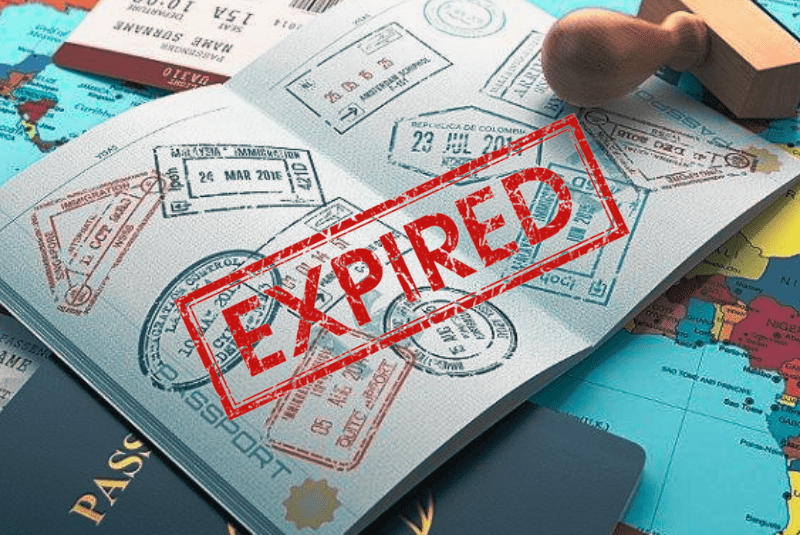
Vietnam applies strict regulations on visa extensions and on the handling of expired visa cases. When a visa expires, violators may be subject to administrative fines or even deportation from the country. The fines may range from 500,000 VND to 20,000,000 VND, depending on the duration of the overstay and the severity of the violation.
II. Legal regulations on expired visas
1. What is an expired visa?
An expired visa is a situation in which the validity period of a visa has ended while the visa holder remains in the country. Once a visa expires, the foreigner no longer has the right to lawfully reside in such a country and must take appropriate measures to apply for a visa extension or a new visa.
2. Cases of expired visas
There are several cases of expired visas, including:
- Expired tourist visas
- Expired business visas
- Expired student visas
- Expired family visit visas
- Expired work visas
- Expired residence visas
- Expired transit visas
3. Notes when a visa expires
When a visa expires, there are several important matters to pay attention to in order to avoid legal issues and unwanted difficulties. Some main notes include:
- Regularly checking the expiration date: It is necessary to regularly check and be aware of an expired visa to prepare complete dossiers for its extension.
- Contacting immigration authorities: When a visa is about to expire or has already expired, the holder should immediately contact the local immigration authority to inquire about the necessary procedures for extension or reissuance.
- Preparing relevant documents: It is required to fully prepare documents such as passport, identification photos, and documents related to the purpose of stay (labor contract, invitation letter, confirmation from an educational institution, etc.).
- Paying required fines and handling violations: If a visa has expired, it may be required to pay an administrative fine depending on the nature and extent of the violation. Completing the payment promptly helps avoid further legal consequences.
- Visa extension: The holder must implement visa extension procedures before the visa expires to avoid unlawful stay and to maintain lawful residence status.
- Applying for a new visa: If the current visa cannot be extended, the holder must apply for a new visa appropriate to the purpose of residence.
- Understanding legal regulations on visas: It must always update and clearly understand the visa-related legal regulations of the country where staying to avoid unnecessary violations.
- Seeking professional consultation: If encountering difficulties in handling visa-related matters, it is important to seek advice from professionals or lawyers specializing in immigration law.
- Monitoring the processing of application: It must always monitor the status of the application after submission to ensure receipt of the new visa or visa extension as soon as possible.
III. Questions regarding expired visas
1. Is it permissible to continue staying in Vietnam when a visa has expired?
When a visa expires, the holder no longer has the right to lawfully reside in Vietnam. If such a person continues to stay without extending or applying for a new visa, it may face serious legal consequences such as administrative fines, deportation, or a future ban on entry into Vietnam in accordance with Decree No. 144/2021/NĐ-CP.
2. What is the procedure for applying for a new visa after the visa has expired?
Pursuant to Article 9 of the Law on Entry, Exit, Transit, and Residence of Foreigners in Vietnam 2014 (as amended and supplemented by points a, b, c, d, and dd Clause 4 Article 1 of the amended Law 2019 and Clause 2 Article 2 of the Law on Exit and Entry of Vietnamese Citizens and the amended Law on Entry, Exit, Transit, and Residence of Foreigners in Vietnam 2023), which regulates the validity period of visas, once a visa expires, the applicant must implement procedures for issuance of a new visa, as there is no procedure for visa extension after expiration.
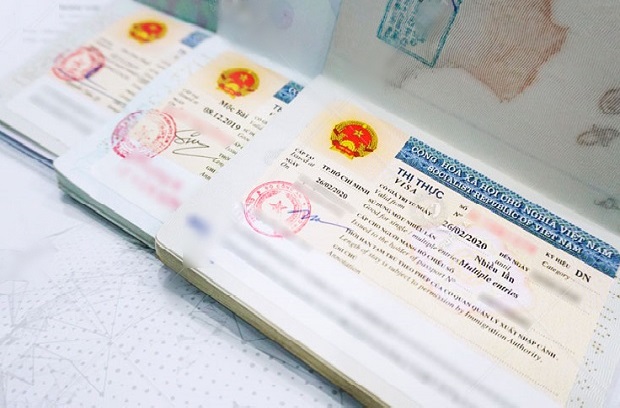
Pursuant to Article 19 of the Law on Entry, Exit, Transit, and Residence of Foreigners in Vietnam 2014, the procedures for reissuing a visa are as follows:
- A foreigner who is temporarily residing in Vietnam and wishes to obtain a new visa must request the inviting or sponsoring agency, organization, or individual to implement procedures with the immigration authority or the competent authority of the Ministry of Foreign Affairs.
- The inviting or sponsoring agency, organization, or individual shall directly submit a written request for visa issuance together with the foreigner’s passport or valid international travel document to the immigration authority or the competent authority of the Ministry of Foreign Affairs.
- Within five (05) working days from the date of receipt of a complete and valid dossier, the immigration authority or the competent authority of the Ministry of Foreign Affairs shall consider and issue the visa.
3. Which authority is competent to reissue a visa after expiration?
Pursuant to Clause 3 Article 19 of the Law on Entry, Exit, Transit, and Residence of Foreigners in Vietnam 2014, the competent authorities to reissue visas include the immigration authority or the competent authority of the Ministry of Foreign Affairs.
4. Can a foreigner exit Vietnam when the visa has expired?
Pursuant to Clause 1 Article 27 of the Law on Entry, Exit, Transit, and Residence of Foreigners in Vietnam 2014 (as amended by Clause 12 Article 1 of the amended Law 2019), a foreigner may exit Vietnam if all of the following conditions are satisfied:
- Having a passport or a valid international travel document;
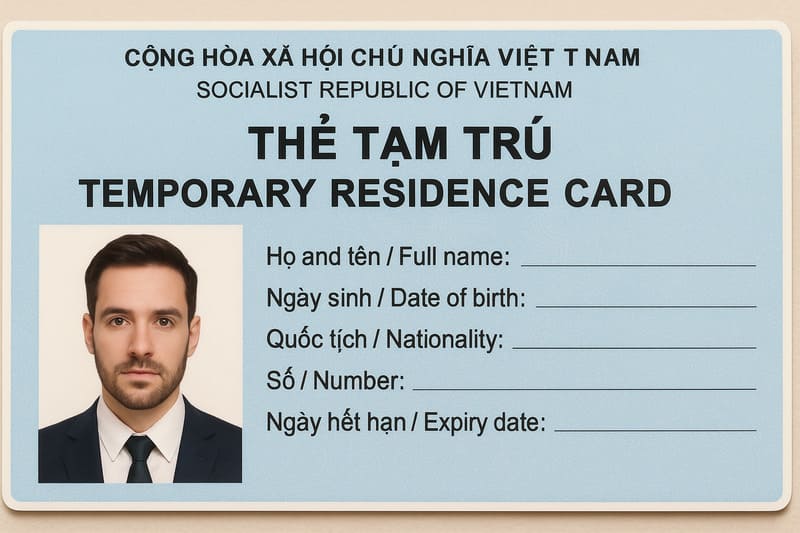
- Having a valid certificate of temporary residence, temporary residence card, or permanent residence card;
- Not falling under cases of temporary suspension of exit as prescribed in Article 28 of this Law.

Pursuant to Clause 1 Article 30 of the Law on Entry, Exit, Transit, and Residence of Foreigners in Vietnam 2014, a foreigner may be subject to forced exit in the following cases:
- The period of temporary residence has expired but the foreigner fails to exit;
- For reasons of national defense, security, social order, or safety.
Accordingly, a foreigner may exit Vietnam even when the visa has expired.
5. Can an expired visa be extended?
Pursuant to Article 9 of the Law on Entry, Exit, Transit, and Residence of Foreigners in Vietnam 2014 (as amended and supplemented by points a, b, c, d, and dd Clause 4 Article 1 of the amended Law 2019), once a visa has expired, procedures for issuance of a new visa must be implemented, as there is no procedure for visa extension after expiration.
IV. Legal consulting services related to expired visas
The above information addresses issues related to expired visas as provided by NPLAW to our valued readers. Should you have any further questions or require additional clarification on this topic, please contact NPLAW using the following details: