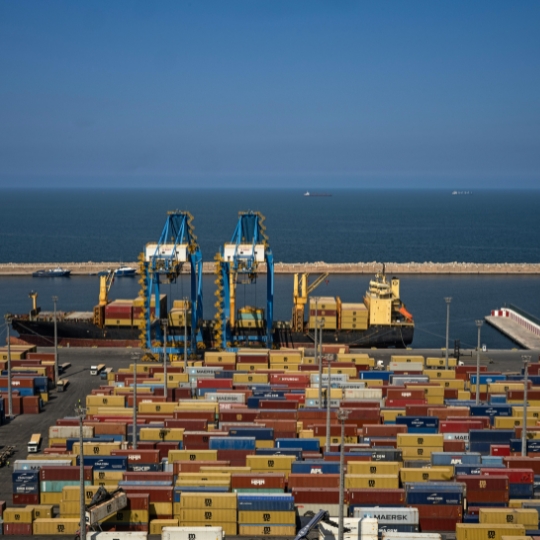
In the context of deeper international economic integration, the importation of goods has contributed significantly to economic development and market diversification. However, the increasing situation of importing substandard goods, customs violations, financial losses, and erosion of consumer trust has raised serious concerns. Therefore, understanding the legal framework governing goods importation is a crucial measure for enterprises to ensure lawful and efficient import activities. NPLaw provides an overview of the current legal regulations on the importation of goods through the following article.
I. The impact of legal regulations on the importation of goods in the current period
At present, legal regulations on the importation of goods have a profound influence on business operations in Vietnam. Newly concluded Free Trade Agreements, technical standards, food safety and hygiene requirements, quarantine measures, and risk management provisions are becoming increasingly detailed and stringent. Enterprises that comply effectively with import regulations benefit from expedited customs clearance, minimized risks, improved corporate image, and the ability to enjoy tariff preferences under Free Trade Agreements.
At the same time, enterprises are required to maintain in-depth knowledge and continuously update themselves to remain compliant. Failure to grasp the applicable regulations may result in unexpected costs (administrative fines, storage and warehousing fees, disposal of non-compliant goods, etc.). It could cause serious damage to the enterprise’s reputation in the market and loss of trust from customers and business partners.
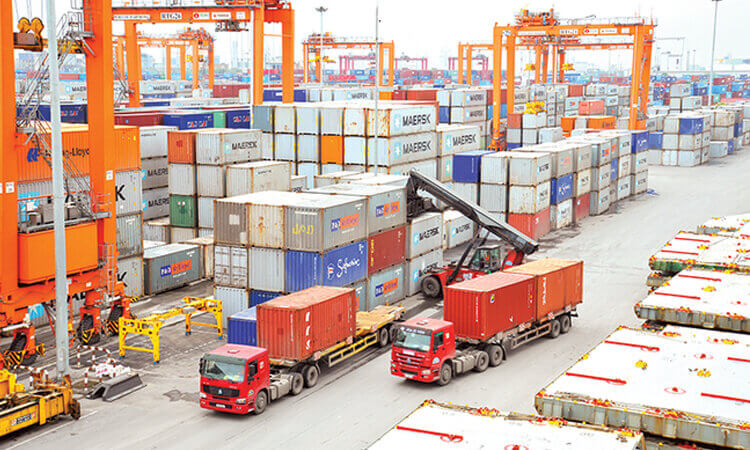
Example of legal issues in the importation of goods: A Vietnamese company imported a shipment of used machinery from Japan. The company had prepared the documents under the former regulations. However, when the goods arrived at the port in early 2025, Customs detained the shipment due to a newly enacted requirement for a certificate of conformity and compliance assessment for imported used machinery, which the company had not completed. Consequently, the shipment was held at the port, incurring substantial warehousing and demurrage costs, while the company had to urgently supplement the required procedures. This not only caused financial losses but also delayed the company’s production schedule.
II. What constitutes legal regulations on the importation of goods?
1. Definition
Legal regulations on the importation of goods are understood as the system of rules, procedures, documents, and conditions promulgated by the State to govern the activities of bringing goods from abroad into the territory of Vietnam. Such framework encompasses licenses, customs declaration, quality inspection, sanitary and phytosanitary measures, tax obligations, labeling, origin requirements, and other risk management provisions.
This legal framework aims to strictly regulate importation activities to ensure that goods circulated in the Vietnamese market are lawful, safe, and efficient.
2. The necessity of compliance with legal regulations on goods importation
Strict compliance with import regulations is indispensable for any enterprise engaged in this activity, as it ensures:
- Legality and avoidance of administrative sanctions or even criminal liability.
- Smooth customs clearance, saving time, reducing storage costs, and preventing disruption to production and business plans.
- Maximization of tariff preferences, thereby reducing input costs and enhancing competitiveness.
- Strengthened corporate reputation and trust with customers and regulatory authorities.
Compliance with import regulations safeguards the enterprise’s interests while enabling sustainable business opportunities.
III. Legal regulations governing the importation of goods
1. How is the import procedure in Vietnam conducted?
According to the guidelines of the General Department of Vietnam Customs (https://www.customs.gov.vn/index.jsp?pageId=4&cid=1183), the general procedure for importing goods into Vietnam is as follows:
Before the shipment arrives in Vietnam, the enterprise must:
- Identify the code, origin, and customs value of the goods to be imported.
- Register for specialized inspection (if applicable).
- Prepare the required set of commercial documents.
- Obtain a goods management number.
Customs procedures include:
- Filing of the customs declaration.
- The system assigning the declaration channel.
- Payment of duties and fees as prescribed.
- Customs clearance and release of goods for storage and use.
2. What documents are required for the import procedure?
Pursuant to Clause 1, Article 24 of the Customs Law 2014, the customs dossier comprises:
- Customs declaration or equivalent documents.
- Relevant supporting documents.
Depending on specific cases, the declarant must submit or present contracts of sale, commercial invoices, transport documents, certificates of origin, export/import licenses, notices of inspection results or exemption from specialized inspection, and other documents relating to the goods as required by law. Proper and accurate preparation of these documents is a decisive step for smooth clearance.
3. How long does it take to process the import procedure?
Under Clause 2, Article 23 of the Customs Law 2014:
- Verification of dossiers must be completed within 02 working hours from the time Customs receives a complete dossier.
- Physical inspection of goods must be completed within 08 working hours from the time the goods are presented. For goods subject to specialized inspection (quality, health, culture, animal/plant quarantine, food safety), the deadline is counted from the receipt of inspection results.
- For shipments with large quantities, multiple categories, or complicated inspection requirements, the Head of the Customs office may extend the inspection period, but not exceeding 02 days.
Accordingly, the processing time for import procedures is carried out in accordance with the above provisions.
IV. Questions on legal issues in the importation of goods
1. What are the consequences if imported goods fail to meet prescribed standards?
According to Article 5 of Decree No. 128/2020/ND-CP (as amended by Article 2 of Decree No. 102/2021/ND-CP), each administrative violation in the customs sector is subject to either a warning or a monetary fine. Depending on the specific violation, fines can reach up to 50,000,000 VND for cases such as failure to meet customs deadlines or failure to submit tax documents (point b, clause 6, Article 7 of Decree No. 128/2020/ND-CP).
In addition, supplementary sanctions and remedial measures may be imposed, including:
- Mandatory removal from the territory of the Socialist Republic of Vietnam or re-exportation of infringing goods and means of administrative violation;
- Mandatory removal from the territory of Vietnam or re-exportation at the port of entry with respect to infringing goods and means of administrative violation;
- Mandatory transportation of goods in transit, transshipment, cross-border transport, bonded warehouse goods, or temporary import for re-export through the designated ports of entry and prescribed routes;
- Mandatory removal of altered packaging or labels resulting from the violation; mandatory removal of infringing elements on product labels before the goods are exported from the territory of Vietnam;
- Mandatory destruction of goods and items harmful to human health, animals, plants, the environment, or cultural products containing harmful content;
- Mandatory payment of an amount equivalent to the value of infringing goods that have been consumed, dispersed, or destroyed unlawfully;
- Mandatory payment of the full amount of evaded or deficient taxes;
- Mandatory payment of taxes that were improperly exempted, reduced, refunded, or not collected;
- Mandatory affixation of the “Vietnam duty not paid” stamp in accordance with regulations.
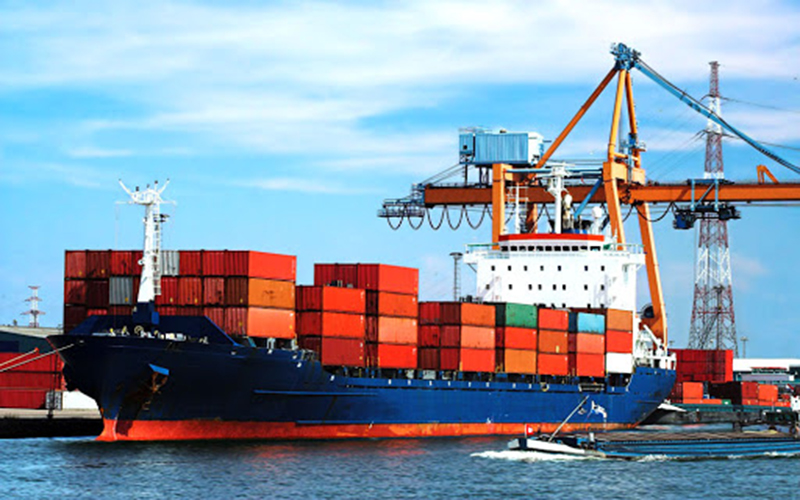
Accordingly, if imported goods fail to meet the prescribed standards, depending on the specific violation, the violator may be subject to the aforementioned sanctions.
2. What types of taxes are applicable to imported goods?
Enterprises and individuals importing goods into Vietnam are subject to the following taxes and fees:
- Import duties under Clause 1, Article 2 of the Law on Export and Import Duties 2016.
- Value-added tax under Clause 2, Article 4 of the Law on Value-Added Tax 2024.
- Excise tax on certain goods (alcohol, beer, tobacco, etc.) under Clause 1, Article 2 of the Law on Excise Tax 2008.
- Environmental protection tax on goods causing adverse environmental impacts (e.g., gasoline, lubricants, coal) under Clause 1, Article 5 of the Law on Environmental Protection Tax 2010.
Applicable taxes vary depending on the type and nature of the imported goods.
3. Is proof of origin required for importation?
According to point b, clause 1, Article 24 of the Customs Law 2014, depending on the circumstances, the declarant must submit or present the sales contract, commercial invoice, transport documents, certificate of origin, and other relevant papers. Proof of origin is a critical condition for importation, particularly to determine tariff preferences and regulatory compliance.
4. Which authorities are competent to handle violations in goods importation?
Depending on the nature and seriousness of the violation, competent authorities include:
- Chairpersons of People’s Committees at all levels (Article 28, Decree No. 128/2020/ND-CP).
- Customs authorities (Article 29, Decree No. 128/2020/ND-CP, as amended by clause 4, Article 2 of Decree No. 102/2021/ND-CP).
- Border guards (Article 30, Decree No. 128/2020/ND-CP, as amended by Points a and c, clause 5, Article 2 of Decree 102/2021/ND-CP).
- Coast guards (Article 31, Decree No. 128/2020/ND-CP).
5. What legal risks may arise from non-compliance with import regulations?
Failure to comply legal regulations on importation of goods may result in:
- Goods being seized, re-exported, or destroyed, causing loss of the shipment’s value and additional storage costs.
- Administrative fines, tax liabilities, or criminal prosecution for serious violations.
- Loss of reputation and contractual disputes, affecting long-term business capacity.
V. Should enterprises seek legal counsel on goods importation?
Importation of goods requires compliance with a wide range of legal requirements, from licensing, inspection, and taxation to customs procedures. With its team of experienced lawyers and legal specialists, NPLaw provides professional and reliable legal services to safeguard clients’ legitimate rights and interests. For legal assistance, please contact NPLaw.