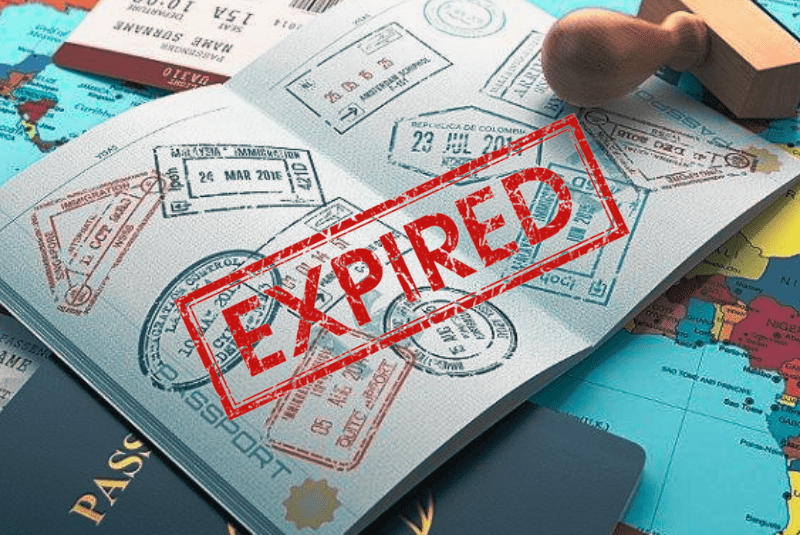
At present, cases of invalid application dossiers for temporary residence of foreigners are becoming increasingly common due to missing documents, inaccurate information, or non-compliance with legal requirements. This situation causes difficulties in the process of residing and working in Vietnam and adversely affects subsequent legal procedures. A clear understanding of the applicable regulations, together with appropriate legal support, is essential to effectively address such an issue.
I. Current situation of invalid temporary residence application dossiers for foreigners
In practice, invalid dossiers for temporary residence applications of foreigners occur quite frequently for various reasons. Many applicants fail to submit essential documents such as labor contracts, proof of accommodation, or financial certification; information in the dossiers may be inconsistent or contain incorrect dates; or the dossiers do not follow the prescribed forms or lack required notarization/authentication.
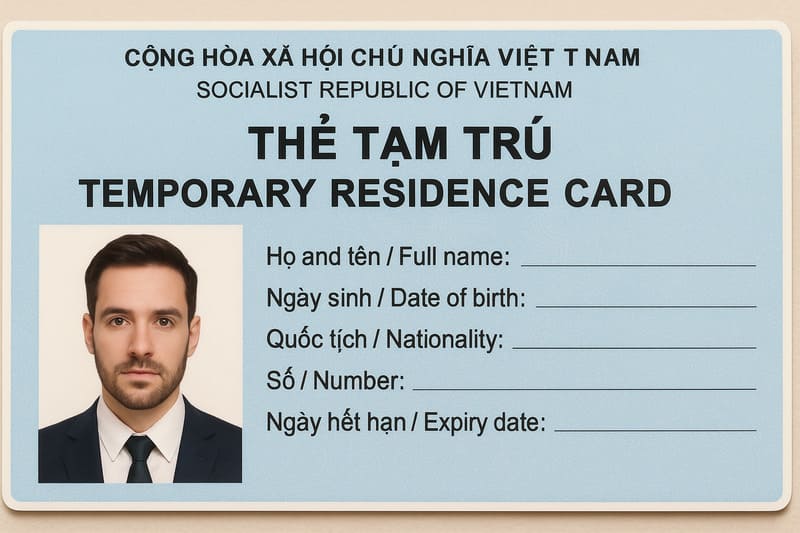
This situation not only leads to rejection by the competent authorities but also prolongs processing time, causing disruption to foreigners’ residence and employment in Vietnam.
II. What is an invalid application dossier for temporary residence of foreigners?
1. Definition of an invalid application dossier for temporary residence
An invalid temporary residence application dossier refers to a set of documents submitted by a foreigner or the sponsoring party to the competent authority that fails to fully satisfy statutory requirements, resulting in the application not being approved. This may occur due to:
- Missing mandatory documents (such as passport, work permit, or proof of residence);
- Non-compliance with regulations on the duration or purpose of temporary residence (expired validity, incorrect stated purpose);
- Failure to declare or incorrect declaration of information to local authorities in accordance with Decree No. 144/2021/NĐ-CP or the Law on Residence 2020.
When a dossier does not meet the required standards, it often results in prolonged processing, return of the dossier, or outright rejection, causing inconvenience to foreigners in their stay and related procedures.
2. Common cases leading to invalid temporary residence application dossiers
Below are common situations that may result in an invalid application dossier for temporary residence of foreigners:
Missing mandatory documents
- Absence of a temporary residence confirmation bearing the seal of the ward/commune police;
- Lack of a work permit or work permit exemption certificate (for foreign employees);
- Failure to provide sponsorship contracts, invitation letters, or legal status documents of the sponsoring organization.
Inconsistent or inaccurate information
- Discrepancies in dates, passport numbers, or inconsistent stated purposes of residence;
- Temporary residence declarations inconsistent with tax declarations, lease agreements, or landlord confirmations.
Use of incorrect forms or photographs
- Use of outdated or incorrect declaration forms;
- Photographs that do not meet prescribed standards (size, background, quality).
Late submission or overstaying
- Submission of the dossier too close to the expiry date of the visa/TRC, leading to delayed processing or administrative penalties for overstaying;
- Rejection where the reason for temporary residence is no longer appropriate (e.g., change in employment purpose).
Incorrect payment of fees
- Payment of fees at an incorrect rate or via invalid payment methods, resulting in suspension of dossier processing.
Use of unreliable intermediary services
- Use of fraudulent services, increasing the risk of falsified documents or improper processing, thereby exposing applicants to legal risks.
In summary, an “invalid” temporary residence application dossier typically arises from missing documents, incorrect information, non-compliant forms, late submission, or document falsification. To avoid such errors, foreigners and sponsoring entities should carefully review legal requirements prior to submission.
3. How to resolve cases of invalid temporary residence application dossiers
When an invalid application dossier for temporary residence is identified, the following measures may be applied:
- Notification and request for supplementation: The competent authority (Immigration Department) will issue a written notice specifying the reasons for non-compliance (missing documents, incorrect forms, inconsistent information, etc.) and request supplementation or correction in accordance with the law. The applicant must promptly prepare and submit the additional documents within the prescribed time limit.
- Correction of dossier information: For inaccuracies (passport number, dates, purpose of residence), corrections must be made to match original documents (passport, work permit, lease agreement, etc.), ensuring proper notarization/authentication and use of the latest prescribed forms.
- Re-verification of sponsorship requirements: Where sponsorship confirmation or local residence certification is missing, applicants should contact the relevant issuing authorities to complete the required documents prior to resubmission.
- Verification of fees and payment procedures: Confirm that the amount, payment method, and payment location comply with the issuing authority’s regulations.
- Filing complaints or initiating legal action in case of improper refusal: If the application dossier is complete yet still rejected, the applicant may file a complaint or initiate an administrative lawsuit before the Court in accordance with the prescribed procedures for dispute resolution. The form and procedure of the complaint shall depend on the competence and jurisdiction of the local immigration management authority.
- Engaging professional legal services: In cases involving multiple or complex deficiencies, engaging a lawyer or legal consultant can assist in reviewing and completing the dossier promptly, minimizing delays and legal risks.
Notes:
- The deadline for dossier supplementation is usually specified in the notice issued by the immigration authority.
- Core information such as the purpose of residence or sponsorship details should not be altered without proper authorization.
- Submitting a complete and compliant dossier from the outset helps shorten processing time and avoid rejection, penalties, or forced exit.
Proper handling of invalid temporary residence dossiers helps foreigners avoid interruptions in residence and mitigate legal risks. For case-specific assistance, consultation with a qualified lawyer or legal advisor is strongly recommended.
III. Legal regulations related to invalid temporary residence application dossiers
1. Reasons rendering a temporary residence application dossier invalid
Common reasons include:
- Lack of Mandatory Documents: Failure to provide all required documents, such as a sponsorship contract, confirmation of temporary residence issued by the ward police, a work permit, or documents evidencing lawful residence status;
- Inaccurate Translation or Inconsistent Information: Improper or inaccurate translations, or inconsistencies among documents, such as discrepancies in dates, passport details, or purpose of stay;
- Use of Outdated Application Forms or Non-Compliant Photographs: Use of application forms that are not the current prescribed versions, lack of notarization/certification as required by law, or submission of photographs that do not meet technical standards;
- Late Submission or Inappropriate Validity Period: Submission after the validity period of the relevant documents has expired or close to the expiry of temporary residence, which may result in refusal or a requirement to exit the country;
- Lack of Understanding of Procedures and Complex Dossier Requirements: The applicant does not fall within the appropriate temporary residence category or lacks understanding of the applicable procedures, leading to errors in the application;
- Incorrect Fees or Improper Method of Payment: Payment of fees not in accordance with the prescribed rates or use of unofficial or improper payment methods.
In summary, an invalid application dossier mainly arises from deficiencies described as “missing – incorrect – late” in terms of documentation, information, and procedural compliance. To avoid refusal, applicants should carefully review the requirements, ensure all documents strictly comply with legal regulations, and use the correct forms, timelines, and submission methods.
2. Processing procedure for invalid temporary residence application dossiers
The competent authority handles invalid dossiers through a clear and structured process:
Step 1: Receipt and preliminary review
- The immigration authority reviews personal information, visa type, and accompanying documents to assess validity.
Step 2: Notification of invalidity
- Where deficiencies are identified, The authorities will provide written notification, stating the reasons and offering further instructions or corrections.
Step 3: Completion and resubmission
- The applicant or sponsor must correct and supplement the dossier within the notified timeframe, then submit it for the authorities to review
Step 4: Reassessment and decision
- If the dossier becomes compliant, a temporary residence card will be issued; otherwise, the application will be rejected with a written explanation.
Step 5: Handling complaints or violations
- Applicants may file complaints if disagreeing with the refusal. Serious violations (forgery, misuse of documents) may result in administrative penalties or deportation.
This process ensures transparency, fairness, and lawful management of foreigners in Vietnam.
3. Consequences where an invalid dossier cannot be remedied
When an application dossier for temporary residence of a foreign national is invalid and cannot be remedied, the individual or the sponsoring organization may face the following serious legal and administrative consequences:
- Refusal to issue a temporary residence card: The foreign national will not be permitted to continue residing lawfully in Viet Nam under the proposed category, thereby affecting plans for employment, study, or investment;
- Mandatory exit from Viet Nam: If the permitted period of stay expires and an extension cannot be granted due to an invalid dossier, the foreign national may be required to depart from Viet Nam within a prescribed time limit;
- Entry bans for a specified period in serious cases: In certain serious violation cases, the foreign national may be prohibited from re-entering Viet Nam for a period ranging from one (01) to five (05) years;
- Administrative sanctions against the sponsoring entity: The enterprise, individual, or sponsoring organization may be subject to administrative penalties in accordance with Decree No. 144/2021/ND-CP on administrative violations in the field of security and public order;
- Adverse impact on other legal applications: An invalid dossier may negatively affect the credibility of the individual or organization in future procedures related to visa applications, work permits, or investment licensing.

In summary, the failure to remedy an invalid temporary residence application not only results in the loss of lawful residence rights for the foreign national, but also entails significant legal, financial, and reputational consequences for the related parties. Therefore, special care should be taken in the preparation and submission of the application dossier in order to avoid such risks
IV. Questions regarding invalid temporary residence application dossiers
1. Does an invalid temporary residence dossier affect future visa applications?
When an application dossier for temporary residence of a foreign national is deemed invalid, even if it cannot be amended or completed, the consequences may be significant and may adversely affect future visa applications, including:
- Inability to extend or obtain a new visa: According to certain legal experts, failure to comply with temporary residence declaration requirements may hinder visa extensions, and may even result in the cancellation of the current visa, thereby requiring the foreign national to depart from Viet Nam.
- Risk of deportation or entry ban: Where the dossier is invalidated due to violations of temporary residence regulations, the immigration authority may impose administrative sanctions, require the foreign national to exit Viet Nam, and may prohibit re-entry for a specified period.
- Impact on eligibility for other visa categories: A history of temporary residence violations, refusals of extension, or dossier deficiencies may be recorded in the system, adversely affecting the issuance of subsequent visas, as the applicant may be considered a compliance risk.
- Administrative fines: Pursuant to Decree No. 144/2021/ND-CP, acts such as failure to declare temporary residence or use of an expired temporary residence card may be subject to fines ranging from 500,000 VND to 20,000,000 VND, together with withdrawal of residence documents (pursuant to Point d, Clause 2; Point e, Clause 3; Point b, Clause 4; Point b, Clause 5; Point d, Clause 6; Point b, Clause 8; and Clause 9, Article 18 of Decree No. 144/2021/ND-CP).
An invalid temporary residence dossier not only obstructs current lawful stay but also creates a record of violations, adversely affecting future visa applications and potentially resulting in deportation or re-entry bans. To minimize risks, the dossier should always be prepared thoroughly, fully, and accurately from the outset.
2. Are there remedies against refusal decisions?
The following are formal remedies available in response to a decision refusing to issue a temporary residence card to a foreign national in Viet Nam:
- Administrative complaint: In accordance with the Law on Complaints 2011, the foreign national or the sponsoring party may file a complaint with the authority that issued the refusal decision.
- If dissatisfied with the outcome of the first-time complaint, a second complaint may be lodged with the superior authority, or an administrative lawsuit may be initiated before a competent court in accordance with the Law on Administrative Procedures.
- Administrative litigation: Where the refusal decision is considered contrary to law or infringing upon lawful rights and interests, the applicant has the right to initiate a lawsuit before a competent administrative court.
A refusal of a temporary residence application is not the “end point”. The foreign national or the sponsoring party has legal rights to lodge complaints or initiate litigation to protect their lawful interests and ensure that the decision is handled in compliance with the law.
3. What risks arise from submitting an invalid dossier?
When submitting an invalid temporary residence application dossier, the following legal and practical risks may arise:
- Administrative fines and compulsory exit: Pursuant to Decree No. 144/2021/ND-CP, violations of residence duration or submission of falsified documents may result in fines ranging from 5,000,000 VND to 20,000,000 VND, revocation of the temporary residence card, and compulsory exit.
- Deportation and re-entry ban: Repeated or serious violations may result in deportation and prohibition of re-entry for a period ranging from six (06) months to several years.
- Visa and temporary residence revocation, refusal of reissuance: An invalid dossier or refusal to issue a temporary residence card may lead to visa cancellation, denial of extension, or refusal of subsequent issuance.
- Practical difficulties in daily life: According to various reports, individuals who fail to declare temporary residence may be subject to on-the-spot fines by local police, required to present documents, or incur unexpected charges.
- Disruption to other legal procedures: Lack of valid temporary residence may delay bank account opening, contract execution, work permit applications, or business operations.
In summary, an invalid dossier may result in fines, deportation, re-entry bans, direct impact on visa status, and disruptions to daily life, work, and legal procedures. Careful verification of the dossier prior to submission is the most effective way to avoid such risks.
4. How can dossier validity be checked before submission?
To verify the validity of a temporary residence application dossier prior to submission, the following steps may be taken:
- Cross-check against the official checklists: Verify mandatory components such as declaration forms NA6/NA8, original passport, temporary residence confirmation (issued by the ward/commune police), work permit or exemption certificate, sponsorship contract, etc.;
- Use online declaration systems of the Ministry of Public Security: Enter information and upload documents via the Ministry of Public Security’s Public Service Portal. The system requires standardized data and assists in detecting format errors, missing fields, or incorrect document types;
- Substantive review of dossier contents: Compare the information in the application forms and supporting documents with the original passport, visa, work permit, etc., to ensure exact consistency in dates, names, passport numbers, and purpose of stay;
- Ensure proper translation and notarization: Foreign-language documents must be translated into Vietnamese and duly notarized in accordance with the required versions under forms NA6/NA8;
- Seek preliminary review or professional consultation: Where feasible, a preliminary submission may be made to the local Immigration Management Office to obtain prompt feedback on validity or required amendments.
- Consult professional services: Immigration consultants or lawyers specializing in immigration matters can thoroughly review the dossier, address potential deficiencies, and ensure compliance prior to official submission.
Authorizing review, utilizing online systems, and conducting meticulous checks of content and forms are effective measures to detect errors early and avoid loss of time, fees, and risks associated with invalid dossiers. Once all requirements are met, the likelihood of approval for temporary residence is significantly higher.
5. Which documents are most commonly missing?
The following documents are commonly missing or invalid, leading to refusal of temporary residence applications for foreign nationals:
- Temporary residence confirmation from local police: Absence of residence confirmation (NA form or online confirmation bearing official seal) due to failure to register or improper procedures by landlords/sponsors;
- Valid work permits or exemption certificates: Missing documents or uncertified copies, or documents not valid for at least twelve (12) months;
- Sponsorship documents: For enterprises, business registration certificates, seal specimen forms (Form NA16), letters of introduction that are not notarized or no longer valid;
- Valid passports and visas: Passport or visa with insufficient remaining validity (less than thirteen (13) months), or photos/information not in the prescribed format or size;
- Family relationship documents (for individual sponsorship): Proof of relationship such as birth certificates, marriage certificates, or Vietnamese household registration books that are not translated, notarized, or consularly legalized.

In summary, invalid temporary residence dossiers commonly result from:
- Absence of temporary residence confirmation;
- Absence of, or non-compliant procedures for, work permits;
- Lack of valid sponsorship documentation;
- Passports or visas failing to meet validity requirements;
- Absence of family relationship documents (if applicable).
To ensure dossier validity, all documents must be carefully checked against the required list, properly notarized, and remain valid for a duration consistent with the intended temporary residence period.
V. Why seek legal counsel regarding invalid temporary residence application dossiers?
NPLaw’s legal consultancy services assist individuals, enterprises, and sponsors in identifying causes of invalidity, assessing legal risks, and rectifying dossiers in compliance with regulations. Our lawyers provide direct consultation, dossier preparation, and representation before immigration authorities, ensuring the lawful residence rights of foreigners in Vietnam.