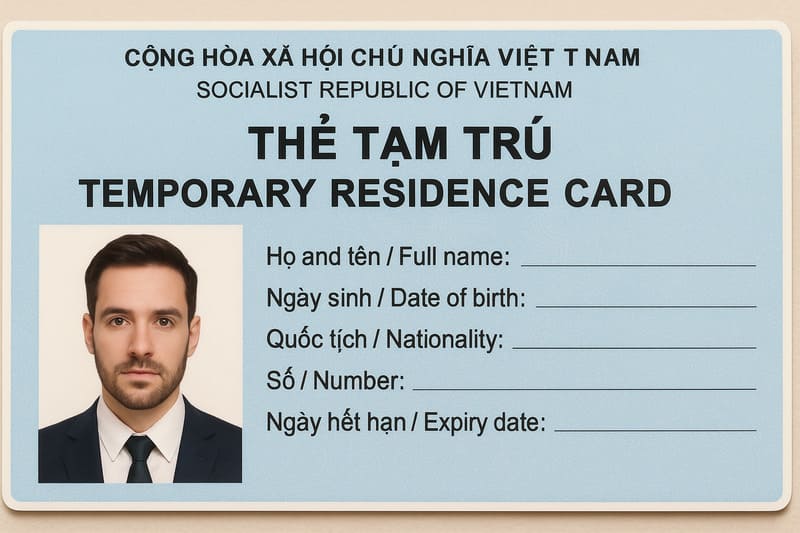
Foreigners violating temporary residence regulations is a complex legal issue that may cause numerous difficulties and adversely affect the rights and interests of both foreigners and related organizations or individuals. A thorough understanding of the laws on temporary residence and strict compliance with procedures is essential. NPLaw will clarify the current situation, concepts, legal provisions, procedures for handling, and main considerations regarding foreigners’ violations of temporary residence regulations, thereby assisting foreigners and concerned parties in resolving legal issues promptly, effectively, and in compliance with the law.
I. Current situation of foreigners violating temporary residence regulations
In recent years, the number of foreigners entering Vietnam for tourism, work, study, and investment has been steadily increasing. However, violations of temporary residence regulations by foreigners also have become more complex, posing challenges to public security and social order management. Common violations include:

- Overstaying: Remaining in Vietnam beyond the validity of the visa or temporary residence card.
- Failure to register residence: Not declaring temporary residence with the local police authority as required.
- Use of unlawful documents: Using fake visas, temporary residence cards, or identity documents for entry, exit, or activities in Vietnam.
- Engaging in unauthorized activities: Entering Vietnam for purposes such as tourism or family visits but engaging in unpermitted employment or business activities.
- Breaching Vietnamese laws: Committing unlawful acts during temporary residence (e.g., gambling, prostitution, trafficking prohibited goods).
II. Understanding of violating temporary residence regulations
1. Definition
A foreigner is deemed to be in violation of temporary residence regulations when failing to comply with obligations relating to registration, extension, or lawful residence in Vietnam, as stipulated under the Law on Entry, Exit, Transit, and Residence of Foreigners in Vietnam 2014 (amended in 2019). Such violations typically include failure to declare residence, overstaying visas/residence cards, or using falsified documents.
2. What acts are considered violations of temporary residence regulations for foreigners?
Violations include:
- Overstaying without lawful extension (Article 18, Decree No. 144/2021/ND-CP).
- Failure to declare temporary residence or late declaration (Clause 4, Article 9, Decree No. 144/2021/ND-CP).
- Unlawful change of residence purpose, e.g., entering on a tourist visa but working illegally (Article 18, Decree No. 144/2021/ND-CP).
- Use of fake documents for entry, exit, or residence (Article 18, Decree No. 144/2021/ND-CP).
- Failure to comply with competent authorities’ orders, such as residence inspection or document submission.
3. What risks can occur to foreigners if they do not comply with temporary residence regulations?
- Administrative fines ranging from 500,000 VND to 40,000,000 VND depending on the severity (Article 18, Decree No. 144/2021/ND-CP).
- Ban from re-entry for a specified period.
- Deportation according to Article 28 of the Law on Entry, Exit, Transit, and Residence of Foreigners in Vietnam (2014, amended 2019).
- Difficulties in obtaining visas/residence cards in the future.
- Damage to personal reputation, affecting opportunities for cooperation or investment.
- Effects in safeguarding lawful rights in case of disputes in Vietnam.
III. Applicable legal provisions on violating temporary residence
1. Relevant laws and regulations
- Law on Entry, Exit, Transit, and Residence of Foreigners in Vietnam 2014 (amended 2019).
- Decree No. 144/2021/ND-CP on administrative sanctions in the sectors of public security, social order, and safety.
- Circular No. 04/2015/TT-BCA (amended by Circular No. 57/2020/TT-BCA) and Circular No. 31/2023/TT-BCA on forms and documents relating to foreigners’ entry, exit, and residence.
2. Procedure for handling violations
The procedure for handling cases in which foreigners violate temporary residence regulations generally includes the following steps:

- Detection of violation: The police authority detects the violation through inspection, patrol activities, or based on information provided by citizens.
- Preparation of a violation record: The police authority prepares an official record documenting the violation, bearing the signature of the violator and any witness (if applicable).
- Verification of information: The police authority verifies information relating to the violation, such as the date of entry, purpose of entry, and period of authorized temporary residence.
- Issuance of a decision: Depending on the nature and seriousness of the violation, the police authority issues an administrative sanctioning decision within its competence.
- Enforcement of the sanctioning decision: The violator must pay the fine within the statutory time limit. In cases of non-compliance, the police authority may apply coercive enforcement measures.
- Consideration of deportation (if applicable): For serious violations, the police authority may request the competent authority to issue a deportation decision against the violator.
3. Possible sanctions
- Fine of 500,000 VND – 2,000,000 VND for failure to declare or late declaration of temporary residence.
- Fine of 3,000,000 VND – 5,000,000 VND for overstaying for 16 days or more without lawful approval.
- Deportation may also be imposed as an additional measure.
IV. Questions on violating temporary residence regulations
1. Can foreigners be sued for violating temporary residence regulations?
Temporary residence violations are administrative offenses under the jurisdiction of Immigration Management Agencies or the Police. Individuals cannot file lawsuits to demand judicial measures; instead, they may report violations to competent authorities.
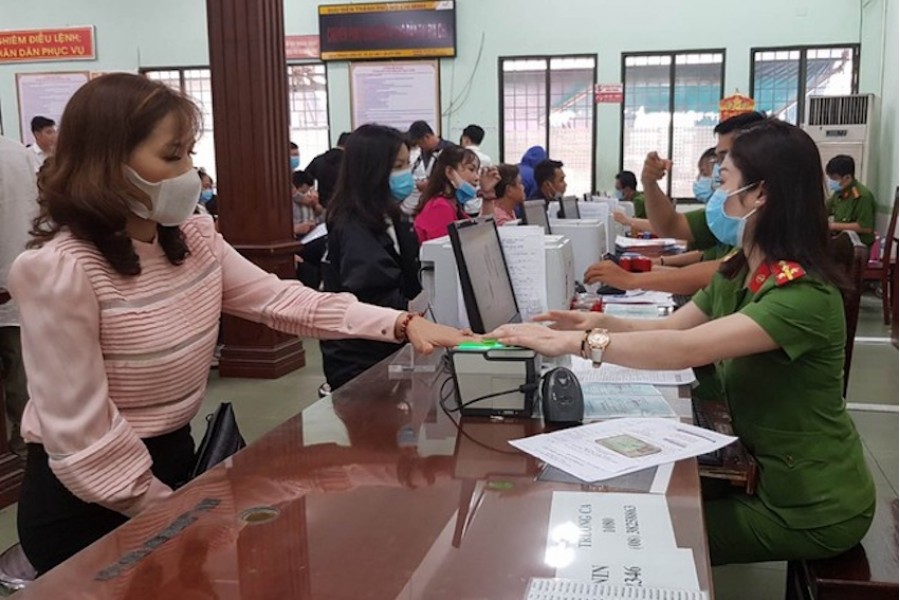
However, if such violations directly cause actual damage to property or health, affected parties may initiate civil lawsuits for compensation under the Civil Code 2015.
2. How are foreigners’ rights affected by violations?
They may lose or have restricted rights to free movement, residence, consular protection, future visa/residence applications, and conducting civil or commercial transactions in Vietnam.
3. Can foreigners be deported if they violate temporary residence regulations?
Deportation may be imposed, especially for serious violations such as using unlawful documents or engaging in criminal activities.
4. If a foreigner violates temporary residence regulations but has a legitimate reason, what will be the handling process?
Authorities may consider mitigating circumstances if valid reasons (e.g., illness, natural disasters) are supported with evidence. In such cases, foreigners should file explanations, request reduced sanctions, and seek legal counsel.
5. If a foreigner does not know about the temporary residence regulations, can they be exempted from responsibility?
Lack of knowledge regarding temporary residence regulations is not a ground for exemption from liability. Under the general principle of law, everyone is obliged to comply with the law, regardless of whether they are aware of such regulations. However, during the process of reviewing and handling violations, the competent authorities may take such a factor into account as a mitigating circumstance (if applicable). Therefore, foreigners must proactively acquaint themselves with Vietnamese legal provisions, particularly those concerning entry, exit, and residence, in order to avoid violations and safeguard their lawful rights.
V. Why legal counsel is necessary for handling violations on temporary residence regulations
Seeking legal assistance is crucial in cases involving violations of temporary residence regulations because lawyers can:
- Provide accurate, comprehensive legal information.
- Assess specific cases and advise on appropriate solutions.
- Assist in collecting evidence and preparing explanations.
- Represent clients in dealings with immigration or police authorities.
- Protect clients’ rights throughout the handling process.
Contact NPLaw today for professional legal consultation and support. We are committed to helping you resolve legal issues effectively while protecting your lawful rights.