In the context of an increasingly developing economy, the business of handmade alcohol has become a promising industry. However, the production and trading of handmade alcohol is a specialized field, strictly regulated by law to ensure public health safety and prevent social evils. Therefore, obtaining a license for handmade alcohol production for business purposes is a mandatory requirement for organizations and individuals wishing to participate in this sector.
Below, NPLaw provides legal guidance regarding obtaining a license for handmade alcohol production for business purposes.
I. Understanding the license for handmade alcohol production for business purposes
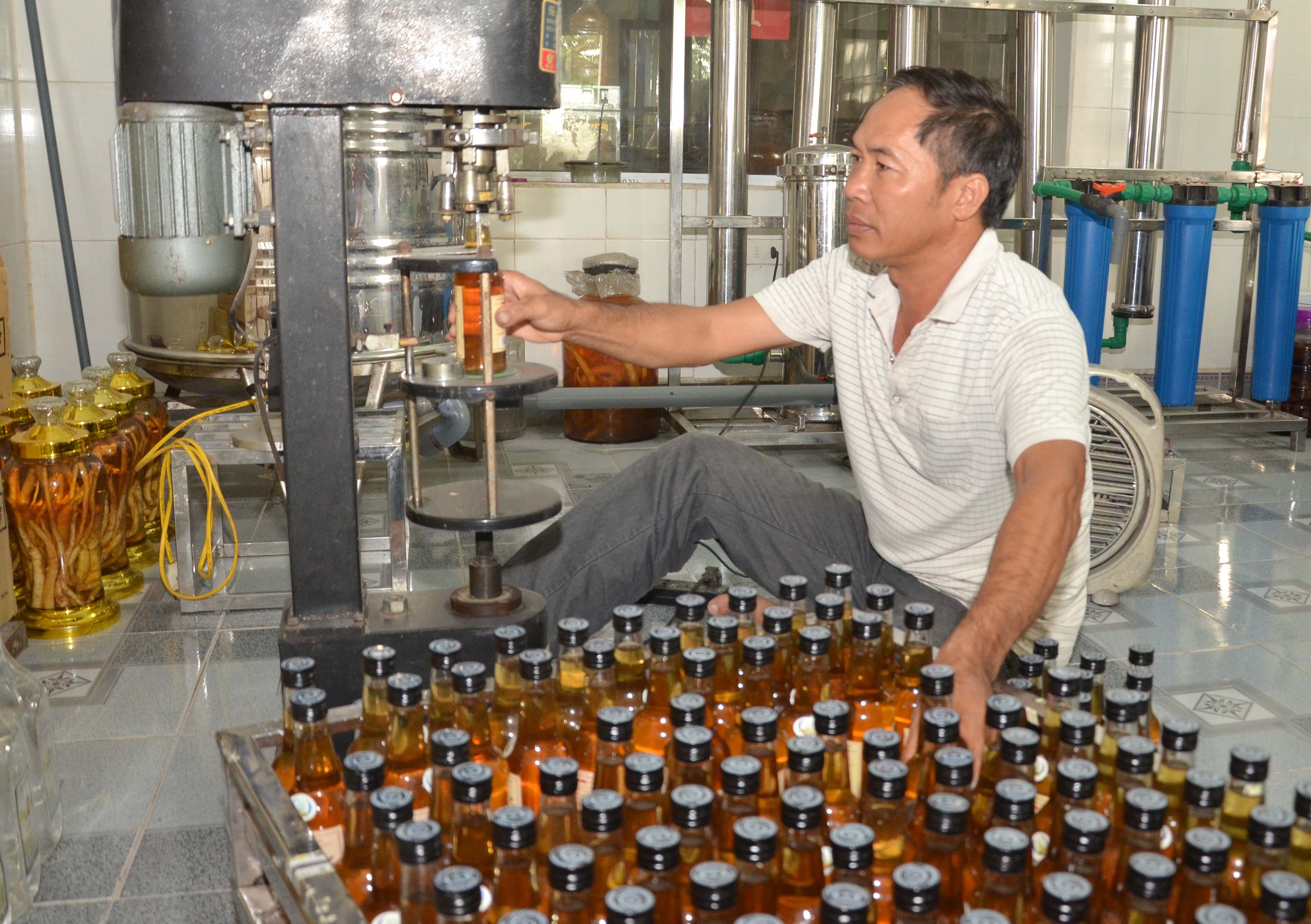
Alcohol production includes industrial alcohol production and handmade alcohol production. Handmade alcohol production refers to producing alcohol using traditional tools without industrial machinery or equipment. A license for handmade alcohol production for business purposes is an essential permit for organizations or individuals who want to produce and trade handmade alcohol. The activity is not only an economic endeavor but also directly related to food safety, public health, and strict legal regulations.
Currently, the licensing of handmade alcohol production for business purposes is governed by Decree No. 105/2017/ND-CP, amended and supplemented by Decree No. 17/2020/ND-CP.
II. Legal provisions on the license for handmade alcohol production for business purposes
1. What is a license for handmade alcohol production for business purposes?
According to Clause 2, Article 4 of Decree No. 105/2017/ND-CP, amended by Decree No. 17/2020/ND-CP:
- Traders producing industrial alcohol, handmade alcohol for business purposes, distributing alcohol, wholesaling, or retailing alcohol with an alcohol content of 5.5 degrees or higher must obtain a license.
- Households or individuals producing handmade alcohol with 5.5 degrees or higher and selling it to licensed production establishments for further processing must register with the Commune People’s Committee where the production facility is located.
Thus, this license is issued by a competent state authority to traders producing handmade alcohol for business purposes with an alcohol content of 5.5 degrees or higher.
2. Conditions for obtaining the license
According to Article 9 of Decree No. 105/2017/ND-CP, amended by Decree No. 17/2020/ND-CP, applicants must satisfy the following:
- Be an enterprise, cooperative, cooperative union, or business household established under the law.
- Ensure compliance with food safety standards and labeling requirements for alcoholic beverages.
3. Procedures and documents for applying for the license
- Procedure:
According to Clause 2, Article 25 of Decree No. 105/2017/ND-CP, amended by Decree No. 17/2020/ND-CP:
- Applicants submit documents directly, by post, or online (if eligible) to the competent licensing authority. Specifically, the Department of Economics or Department of Economics and Infrastructure under the District People’s Committee issues the license.
- Within 10 working days of receiving a complete and valid application, the competent authority shall review, verify, and issue the license. If rejected, a written explanation must be provided.
- If the application is incomplete, the licensing authority must request additional documents within 3 working days of receipt.

- Documents required:
According to Article 20 of Decree No. 105/2017/ND-CP, amended by Decree No. 17/2020/ND-CP:
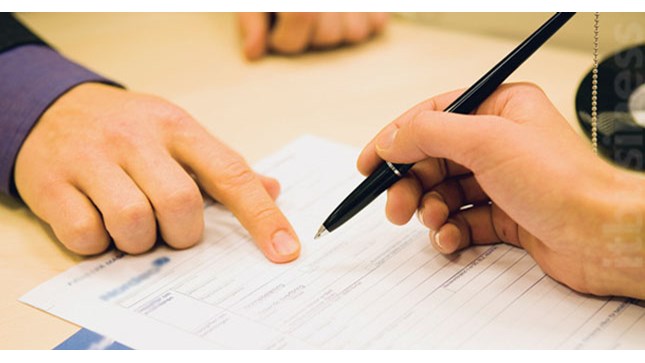
- Application form for a license for handmade alcohol production for business purposes
- Copy of business registration certificate, cooperative, cooperative union, or household registration
- Copy of alcohol product declaration or certificate of compliance with food safety regulations; for small-scale food establishments, a food safety certificate may be exempted
- List of alcoholic products with a copy of product labels for produced or intended products
III. Questions on the license for handmade alcohol production for business purposes
1. Which authority issues the license?
Clause 1, Article 25 of Decree No. 105/2017/ND-CP, amended by Decree No. 17/2020/ND-CP, stipulates that the Department of Economics or Department of Economics and Infrastructure under the District People’s Committee is the competent authority for issuing the license.
2. What is the processing time for the license?
- Within 10 working days from the receipt of a complete application, the authority shall review and issue the license.
- If documents are incomplete, the authority must request additional documents within 3 working days.
Therefore, the license may be issued within 10–20 working days depending on document completeness.
3. Penalty for producing handmade alcohol without a license
According to Clause 3, Article 6 of Decree 98/2020/ND-CP:
- A fine of VND 10,000,000 to 15,000,000 shall be imposed for acts of conducting business in conditional sectors without a business license.
- The fine applies to individuals; for organizations, the fine is double.
4. Conditions for handmade alcohol sold to licensed production establishments
- Must have a purchase contract with a licensed industrial alcohol production enterprise.
- If not selling to licensed enterprises, producers must apply for a license for handmade alcohol production for business purposes.
- Households or individuals producing alcohol with 5.5 degrees or higher and selling it to licensed establishments for further processing must register with the Commune People’s Committee where the facility is located.
5. Who affixes tax stamps on domestically produced alcohol?
According to Clause 4, Article 3 of Circular 23/2021/TT-BTC (effective 01/07/2022):
- Domestic producers with a valid alcohol production license must electronically affix tax stamps at the production site after bottling and before distribution.
- The producer is responsible for proper stamping.
6. Is it mandatory to have technically qualified personnel for handmade alcohol production?
According to Articles 8 and 9 of Decree 105/2017/ND-CP:
- Only industrial alcohol production requires technically qualified personnel.
- Handmade alcohol production for business purposes does not require specialized technical personnel.
IV. Legal advisory services on the license for handmade alcohol production for business purposes
The above information from NPLaw aims to assist clients regarding the license for handmade alcohol production for business purposes. For further inquiries or related legal issues, please contact NPLaw for professional guidance and support.