I. Overview of assessment of compliance with good agricultural and collection practices (GACP) standards
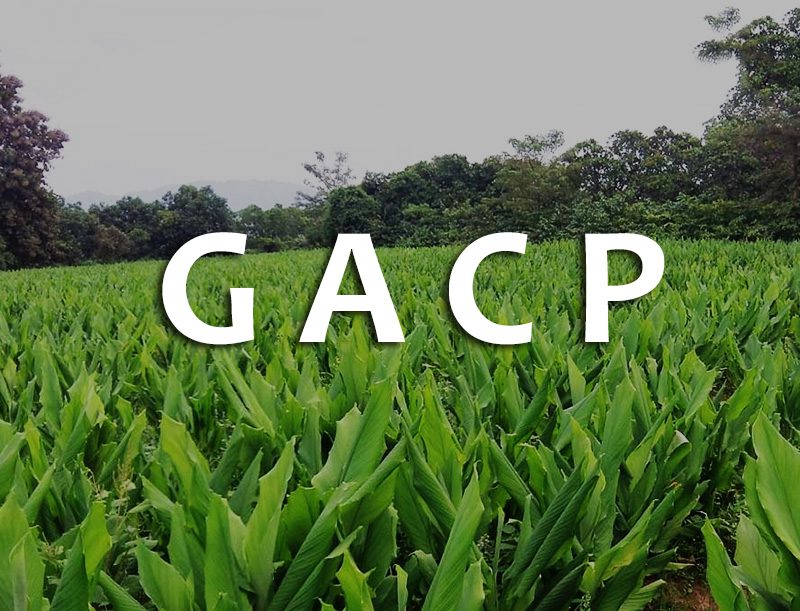
Good agricultural and collection practices (GACP) refers to a set of guidelines outlining best practices in the cultivation and harvesting (collection) of medicinal plants, aiming to ensure product quality, safety, and sustainability. The assessment of compliance with good agricultural and collection practices (GACP) is a process of inspection and verification to confirm that cultivation and harvesting facilities meet GACP standards. This is a critical requirement to guarantee that medicinal raw materials are of high quality and compliant with legal and regulatory frameworks, particularly those governing the production of pharmaceuticals and dietary supplements.
II. Legal regulations on assessing compliance with good agricultural and collection practices (GACP) standards
1. Definition of assessment of compliance with good agricultural and collection practices (GACP) standards
Good agricultural and collection practices (GACP) is the process of evaluating the conditions under which medicinal plants are cultivated, harvested, processed, and stored, based on the standards issued by the Ministry of Health or other competent authorities. The purpose is to ensure that medicinal materials are free from contaminants, do not contain hazardous chemical residues, and have stable active ingredient content.
According to Clause 1, Article 8 of Circular No. 19/2019/TT-BYT, GACP compliance assessments are required in the following cases:
- Facilities with unassessed or uncertified medicinal materials: It applies to entities whose medicinal materials have not previously been evaluated, declared as GACP standards, or issued with a GACP Certificate.
-Facilities holding certificates or acknowledgements issued prior to the effective date of the Circular: These must undergo re-assessment under the new provisions if their documents were issued before Circular No. 19/2019/TT-BYT came into effect.
-Facilities with modifications or additions to processes or locations:
+ Change in location: Applicable when cultivation or harvesting areas are relocated to geographical regions with different soil, climate, or ecological conditions than previously assessed areas.
+ Complete change in procedures: When the entire process of cultivation, harvesting, extraction, or preliminary processing is replaced.
These regulations are designed to ensure that reassessments are aligned with current standards and reflect actual operational conditions.
2. Eligibility conditions for assessment of compliance with good agricultural and collection practices (GACP) standards
According to Clauses 1 and 2, Article 2 of Circular No. 19/2019/TT-BYT, the following entities are subject to GACP compliance assessments:
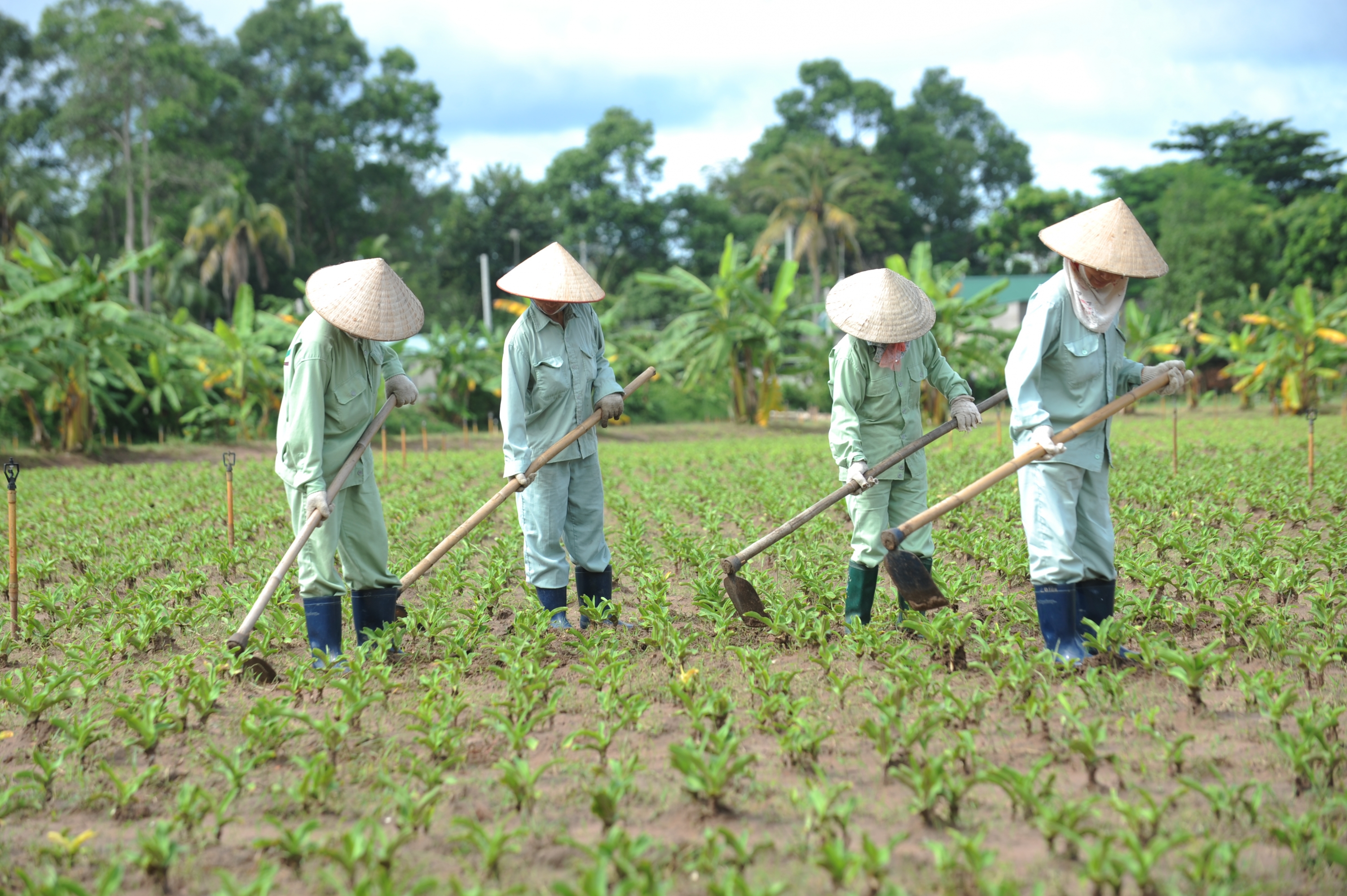
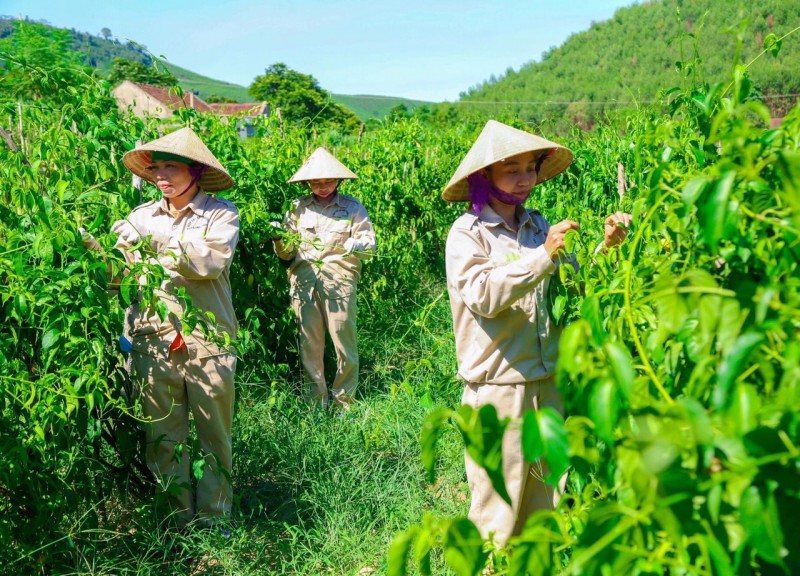
+ Cultivation and harvesting facilities: These include individuals or organizations directly involved in the cultivation, collection, or harvesting of medicinal plants. These facilities must meet criteria regarding cultivation locations, agricultural methods, environmental protection, and harvesting techniques to ensure medicinal quality. Implementing GACP standards also enhances product quality and minimizes negative impacts on the environment and ecosystems.
+ Organizations involved in managing cultivation and harvesting activities: These may include State agencies, professional associations, and technical or supervisory bodies that provide oversight and guidance. Their role is to establish management standards and guide/support facilities in complying with GACP regulations.
3. Dossier for assessment of compliance with good agricultural and collection practices (GACP) standards
As stipulated in Article 9 of Circular No. 19/2019/TT-BYT, the dossier used for periodic assessment of continued compliance with good agricultural and collection practices (GACP) must include:
+ A written request for assessment.
+ A certified copy of the Decision on Establishment, Business Registration Certificate, or Investment License (applicable to cases in Point a, Clause 1, Article 8 of the Circular).
+ The organizational structure and personnel list of the facility. In case the facility consists of many households, it is necessary to send a list of names, addresses, locations, cultivation and harvesting areas and purchase contracts between the facility and the households/representatives of the households.
+ A lot map showing cultivation or harvesting zones, with a detailed description of these areas including processing and storage facilities.
+ Plan, content and results of GACP training for the facility's staff in the year of application.
+ The process of cultivating, harvesting and processing medicinal plants developed by the research facility or applying the results of scientific research or published and issued documents.
+ Results of the facility’s self-assessment based on the Evaluation Criteria Table (Appendix II of Circular No. 19/2019/TT-BYT).
+ A certified copy of the list of forest products confirmed by the Forestry Department.
III. Questions on assessment of compliance with good agricultural and collection practices (GACP) standards
1. What information is required in the assessment dossier of compliance with good agricultural and collection practices (GACP) standards ?
The contents of the GACP compliance assessment request form are specified in Appendix I of Circular No. 19/2019/TT-BYT, including:
a. Facility information:
+ Name, address, and location of the cultivation, collection, or harvesting site.
+ Contact number and email.
b. Legal representative information:
+ Full name, position, and identity document ( citizen ID, or equivalent legal document).
c. Request details:
+ Request for assessment of specific areas/facilities for GACP compliance.
+ Type of activity: Cultivation, collection, or harvesting.
d. Medicinal material information:
+ Area size under cultivation or harvesting.
+ Specific species of medicinal plants involved.
e. Commitment by the facility:
+ Commitment to comply with relevant laws on cultivation, harvesting.
+ Commitment to provide accurate and complete information during the assessment process.
f. Signature and seal:
+ Signature of the legal representative.
+ Official seal of the facility (if available).
2. Who shall engage in assessment of compliance with good agricultural and collection practices (GACP) standards ?
Pursuant to Clause 1, Article 18 of Circular No. 19/2019/TT-BYT, assessment of compliance with good agricultural and collection practices (GACP) shall include the following entities:
+ The Head and Secretary from the receiving authority;
+ At least one representative from the Institute of Medicinal Materials;
+ One representative from the provincial Department of Health where the site is located;
+ At least one additional member from the receiving authority;
+ Other members are appointed based on the technical needs of the assessment.
3. What are the legal grounds for assessment of compliance with good agricultural and collection practices (GACP) standards ?
Assessment of compliance with good agricultural and collection practices (GACP) is based on Circular No. 19/2019/TT-BYT and other applicable legal instruments. The specific legal grounds include:
a. Legal documents:
+ Circular No. 19/2019/TT-BYT: Details the criteria and procedures for evaluating compliance with GACP.
+ Law on Pharmacy 2016: Governs pharmaceutical production, trade, and regulatory oversight.
+ Decree No. 54/2017/ND-CP: Provides detailed guidance on several provisions of the Law on Pharmacy, including conditions for the production and trading of medicinal herbs.
b. WHO GACP guidelines:
+ WHO technical guidelines on the cultivation and collection of medicinal plants, setting standards for quality and environmental sustainability.
c. Facility’s documents:
+ Layout maps and regional development plans.
+ Standard operating procedures for cultivation and collection.
+ Evidence of seedling origin, cultivation techniques, and environmental safeguards.
+ Activity records related to cultivation and collection.
d. On-site inspection:
- The assessment team conducts direct inspections to confirm:
+ The appropriateness of cultivation environments;
+ That collection and processing methods align with GACP standards;
+ That management systems and documents are clear and transparent.
e. Evaluation criteria:
+ Conditions of soil, water, climate, and plant species;
+ Agricultural and collection practices;
+ Documents systems and quality control mechanisms.
f. Assessment report:
+ The final evaluation report, based on document review and field inspections, is the basis for issuing a GACP compliance certificate or recommending corrective measures.
These criteria collectively ensure the quality, safety, and sustainability of medicinal plant sources, contributing to the long-term development of Vietnam’s herbal medicine industry.
IV. Legal advisory services on assessment of compliance with good agricultural and collection practices (GACP) standards
Ngoc Phu Law Company Limited (NPLaw) offers comprehensive legal consulting services regarding assessment of compliance with good agricultural and collection practices (GACP) standards, including:
+ Advising on legal regulations and conditions for GACP assessment;
+ Assisting in preparing the complete application dossier;
+ Providing guidance on current legal requirements.
For further information and personalized legal consultation, please contact us. NPLaw is always ready to assist you promptly on all legal matters related to GACP compliance.