Oral health care has become an essential need in modern life. The teeth, jaw, and facial structures not only play a key role in nutrition but also in aesthetics. This growing demand has led to the rapid establishment of dental clinics across the country. However, setting up and operating a dental clinic must strictly comply with the relevant legal framework.
So, how complex is the procedure for establishing a dental clinic? What conditions regarding facilities and staffing should be noted? What do the current laws stipulate? NPLaw provides a detailed legal overview below.
Legal framework
- Law on Medical Examination and Treatment No. 40/2009/QH12, adopted by the National Assembly on November 23, 2009, as amended and supplemented in 2017.
- Decree No. 109/2016/NĐ-CP, issued by the Government on July 1, 2016, regulating the issuance of practicing certificates and operation licenses for medical examination and treatment establishments, as amended and supplemented in 2018.
- Decision No. 3671/QĐ-BYT, issued by the Ministry of Health on September 27, 2012, approving guidelines for infection control.
I. Main points to know before establishing the dental clinic
1. Definition of a dental clinic
- A dental clinic, under the official terminology of law and medical regulations, is considered a specialized oral and maxillofacial clinic. The commonly used term “dental clinic” reflects the fact that most patients seek dental-related services, making the name shorter and easier to use. Essentially, it is a specialized medical facility focusing exclusively on oral and maxillofacial care.
2. Scope of activities
While the Ministry of Health currently has no single document specifying the exact scope of activities for dental clinics, practice and earlier regulations suggest that the following services are typically permitted:
- Diagnosis and treatment of oral, dental, and maxillofacial diseases;
- Performing dental procedures, such as tooth extraction, dentures, tartar removal, teeth whitening, treatment of inflammation, minor surgery, and abscess incision;
- Orthodontics, endodontics, jaw correction, and occlusion adjustment.
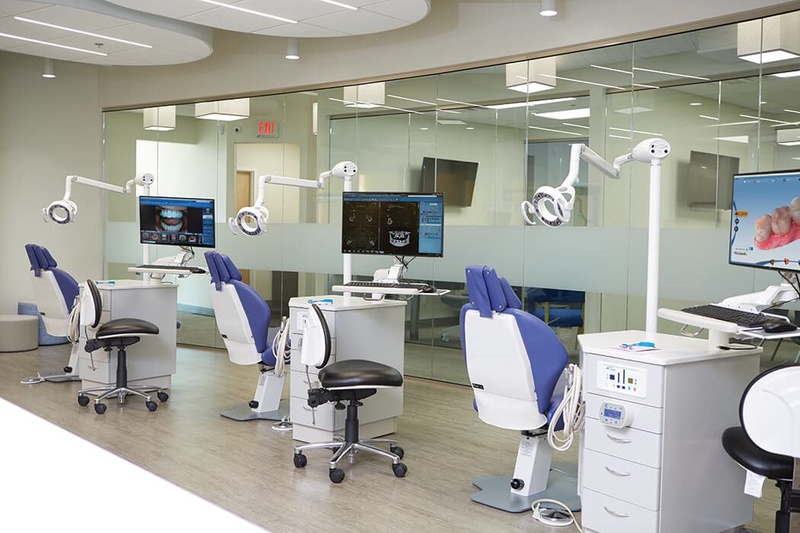
For highly complex or high-risk procedures, or those involving internal medicine expertise, patients should be referred to larger, more specialized facilities to ensure safety and optimal outcomes.
II. Conditions for establishing the dental clinic
Because a dental clinic falls under the category of specialized clinics, it must meet several mandatory requirements:
1. Facility requirements
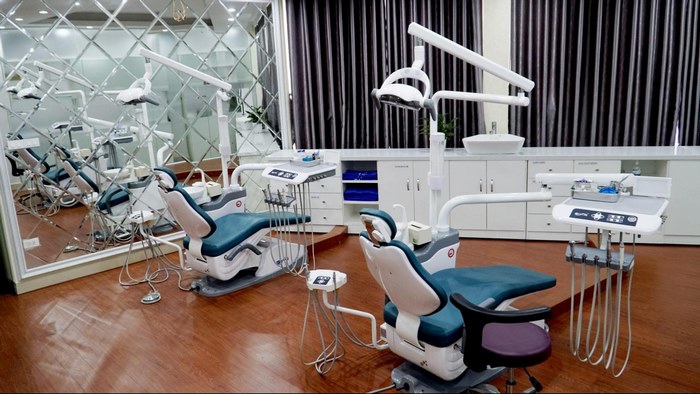
- A treatment room with a minimum area of 10 m² and a separate reception area (except for clinics providing remote consultation services via telecommunications).
- If surgical or implant procedures are to be performed, a procedure room with a minimum area of 10 m² is required.
- Clinics with more than one dental chair must allocate at least 5 m² per chair.
- Clinics using radiation-emitting devices, such as dental X-ray equipment, must comply with radiation safety regulations.
2. Equipment requirements
- Availability of an anti-shock kit and sufficient emergency drugs specific to the specialty.
- Clinics offering remote consultations do not need medical equipment but must have adequate telecommunication and IT systems suitable for the registered scope of activities.
3. Staffing requirements
- A doctor who holds a valid practicing certificate in the field of Odonto-Stomatology.
- Has at least 54 months of experience in examining and treating patients in the field of Odonto-Stomatology.
Apart from the person who is responsible for the clinic’s professional and technical activities, any other individual working at the specialized clinic who is involved in medical examination and treatment must also hold a valid practicing certificate and must be assigned tasks that match the professional scope stated in their certificate.
III. Procedures for establishing the dental clinic
1. Application dossier
A complete application dossier includes:
- Application form for an operation license;
- Certified copy of the enterprise registration certificate;
- Certified copy of the practicing certificate of the technical manager and heads of specialized units;
- List of practicing personnel;
- Declaration of facilities, medical equipment, organizational structure, and staffing;
- Evidence of compliance with facility, equipment, and staffing conditions;
- Organizational charter and operational plan (for hospitals);
- Certified copy of patient transportation service contract (if no in-house ambulance is available);
- Proposed list of technical services, based on the Ministry of Health’s approved catalog;
- Other supporting documents, if required.
2. Licensing process
- Step 1: Preparing and submitting one complete application dossier to the competent authority.
- Step 2: The authority reviews the dossier for validity and may request additional information or amendments if needed.
- Step 3: Receiving the result.
The review timeline is:
- 60 days for hospitals;
- 45 days for other medical establishments.
If the license is denied, the authority must issue a written explanation specifying the reasons.
In cases where the application is incomplete:
- Within 10 working days, the authority must notify the applicant in writing of the required amendments.
- Upon receiving the revised dossier, the authority has 10 working days to assess compliance.
- Failure to complete the corrections within 60 days will result in the application process restarting from the beginning.
3. Licensing authority
Depending on the size and scope, the licensing authority may be:
- The Ministry of Health; or
- The provincial Department of Health.
The license will be signed by the Minister of Health or the Director of the Department of Health, respectively.
IV. Common questions on establishing the dental clinic
1. Can a public hospital dentist open a private dental clinic after hours?
Current laws prohibit public-sector medical staff from registering as the head of a private clinic or hospital unless officially appointed by the relevant authority. However, they may open or work at a private clinic after hours, provided they are not listed as the person in charge.
2. Must dental instruments be sterilized after every use?
Dental instruments are classified into three groups:
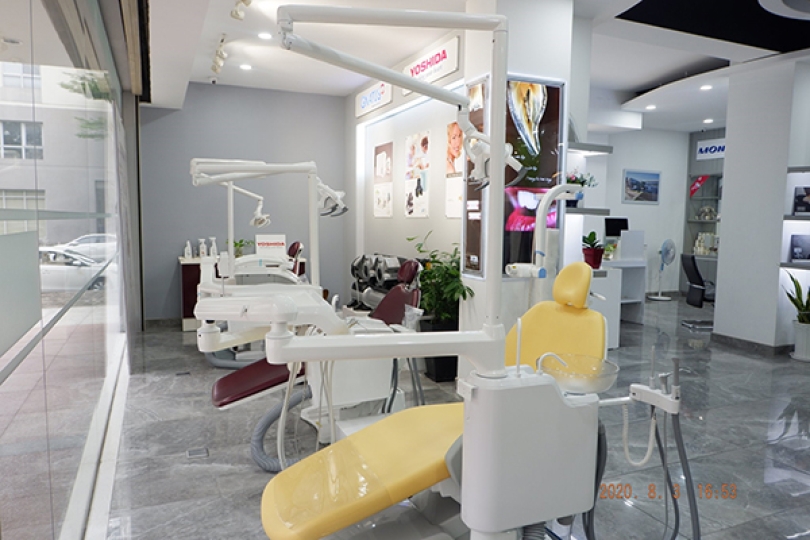
- Critical instruments (e.g., extraction forceps, scalpels) must be sterilized after every use or disposed of.
- Semi-critical instruments (e.g., suction devices) must be sterilized or at least high-level disinfected after each use.
- Handpieces must be disinfected between patients and sterilized daily.
3. Is business registration mandatory for a dental clinic?
Private dental clinics must register as either an enterprise or a household business with “specialized clinic services” as a business line, in addition to obtaining an operation license.
V. NPLaw’s legal services for establishing the dental clinic
NPLaw provides comprehensive consulting services for establishing medical facilities, including dental clinics. Our experienced legal team will guide you through the entire process, from preparing documents to obtaining the operation license, ensuring compliance with all legal requirements.