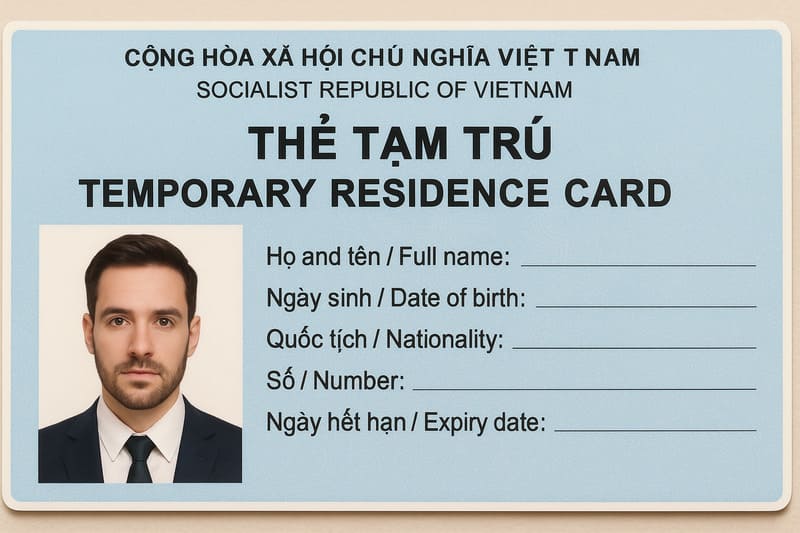
The issue of food hygiene and safety has always been the first priority when choosing food because it directly affects the health of the consumer. Therefore, food suppliers that have a food hygiene and safety license, or as the terms used in the legislative text as the certificate that validates the facility’s compliance with food hygiene and safety standards, are trusted to choose food from. Customers, whether consumers or food suppliers, will be interested in food hygiene and safety licenses and procedures to issue said license. Food hygiene and safety are strictly regulated by law to protect the rights and health of consumers. So what does the law regulate about the food hygiene and safety licenses? What are the conditions and procedures for issuing the license? What sanctions will apply to unlicensed food suppliers? And a lot of other content will be sent by NPLaw to fellow readers through the article below.
A. Legal basis
1. Law on Food Safety No. 55/2010/QH12 approved by Parliament on 17 June 2010, amended and supplemented in 2018 (hereinafter referred to as the Law on Food Safety 2010);
2. Decree 15/2018/ND-CP enacted by the Government on February 2, 2018 Regulates the details on the carrying out of certain Food Safety articles of law (hereinafter referred to as Decree 15/2018/ND-CP);
3. Decree 115/2018/ND-CP enacted by the Government on September 4, 2018 Regulates administrative sanctions on food safety (hereinafter referred to as Decree 155/2018/ ND-CP);
4. Decree 124/2021/ND-CP enacted by the Government on December 28, 2021 Amending and supplementing some articles of Decree 115/2018/ND-CP of 4 September 2018 of the Government on the Regulation of administrative sanctions on food safety and Decree 117/2020/ND/CP of 28 September 2020 of the Government on Regulation of administrative sanctions in the health sector (hereinafter referred to as Decree 124/2021/ND-CP).
B. Consultative content
I. How much is the penalty for operating without a food hygiene and safety license?
Pursuant to Article 18 of Decree No. 115/2018/ND-CP and Clause 8 of Article 1 of Decree 124/2021/ND-CP, the penalty for violation of the certificate that validates the facility’s compliance with food hygiene and safety standards is as follows:
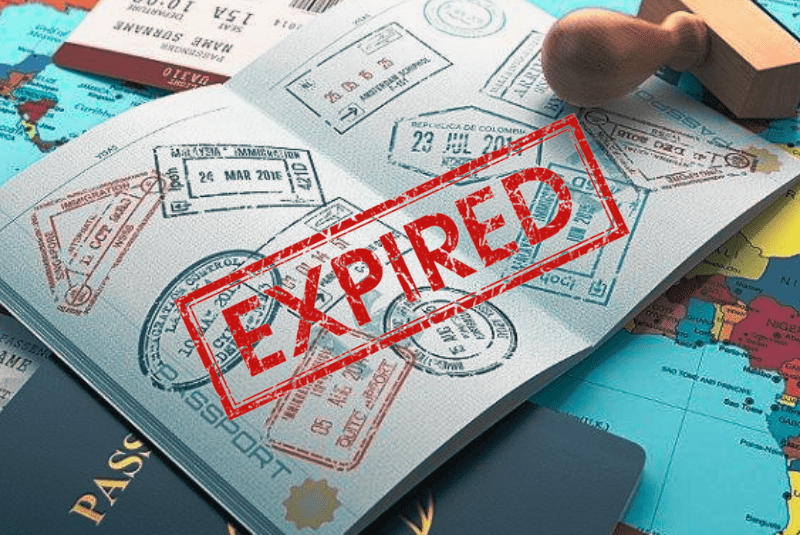
1. Penalties ranging from VND 20,000,000 to VND 30,000,000 for operating catering service businesses without having a certificate that validates the facility’s compliance with food hygiene and safety standards or have a certificate that validates the facility’s compliance with food hygiene and safety standards but have expired, except in cases not classified for the issuance of the certificate that validates the facility’s compliance with food hygiene and safety standards.
2. Penalties ranging from VND 30,000,000 to VND 40,000,000 for food productions and businesses that do not have the certificate that validates the facility’s compliance with food hygiene and safety standards or have the certificate that validates the facility’s compliance with food hygiene and safety standards but have expired, except in cases not classified for the issuance of the certificate that validates the facility’s compliance with food hygiene and safety standards.
3. Penalties ranging from VND 40,000,000 to VND 60,000,000 for one of the following acts:
- Manufacture of health-protecting food without having the certificate that validates the facility’s compliance with food hygiene and safety standards that meets the Good Manufacturing Practice (hereinafter referred to as GMP) or have a GMP Certificate but have expired, except in the case of the manufacture of health-protecting food on the medicinal materials, traditional medicines manufacturing lines, or other cases as regulated by the Minister of the Ministry of Health;
- The sale and circulation on the market of health-protecting food products produced domestically or imported have been issued a certificate that publicly confirms alignment with food safety regulations or receipt of registration of product publication before July 1, 2019 without the supplementation of an additional GMP certificate or equivalent certificate before production.
In addition, the offender is subjected to consequent remedies such as: forcing food to be withdrawn; forcing the offender to change the food purpose of use or to recycle or to destroy the food.
Note: The above-mentioned penalties apply in the event of a violation by an organization; in the case of individual violations, the penalty will be equal to 1/2 of the above penalties pursuant to Point b Clause 2 of Article 1 of Decree 124/2021/ND-CP.
II. The following cases are not allowed to be issued a food hygiene and safety license
There are two types of cases in which no food hygiene and safety license is issued: those that are not eligible for the license and those that are not permitted to receive one.
Firstly, these are the cases that are not eligible for the issuance of the certificate that validates the facility’s compliance with food hygiene and safety standards pursuant to Article 12 of Decree No. 15/2018/ND-CP, including:
- Small productions;
- Producing and trading food with no fixed location;
- Little preliminary treatments;
- Small food businesses;
- Pre-packaged food businesses;
- Producing and trading in tools, packaging materials, and food containers;
- Restaurants in hotels;
- Collective kitchens with no registered business activities;
- Street food businesses;
- Facilities issued one of the following certificates: Good Manufacturing Practices (GMP), Hazard Analysis and Control Point System (HACCP), Food Safety Management System ISO 22000, International Food Standard (IFS), Global Food Security Standard (BRC), Food Security System Certification (FSSC 22000) or equivalent remain in force.
Secondly, cases that are rejected in the issuance of the food hygiene and safety certificate are cases that do not meet the conditions for the issuance of the certificate corresponding to each type of food production or business.
III. Regulations on the issuance of food hygiene and safety licenses
A food hygiene and safety license, or, as the terms used in the current Law on Food Safety, the certificate that validates the facility’s compliance with food hygiene and safety standards. Manufacturing and food trading facilities need to have the certificate that validates the facility’s compliance with food hygiene and safety standards when operating, except in cases that are not eligible for the certificate or do not meet the condition for the issuance of the certificate. The Minister of the Ministry of Health, the Minister of the Ministry of Agriculture and Rural Development, and the Minister of the Ministry of Industry and Commerce regulate the details on the authority to issue and withdraw the certificate that validates the facility’s compliance with food hygiene and safety standards in the area assigned and managed pursuant to Article 35 of the Law on Food Safety 2010.
IV. Conditions for the issuance of food hygiene and safety licenses
Facilities are issued the certificate that validates the facility’s compliance with food hygiene and safety standards when the following conditions are met:
1. Have enough conditions to ensure food hygiene and safety suitable for each type of food production or business, that is:
- Facilities producing and trading food;
- Food preservation;
- Food transportation;
- Small facilities producing and trading food;
- Fresh food production facilities;
- Fresh food trading facilities;
- Preliminary treating, processing food facilities; Raw materials, food additives, food processing adjuvants, and micronutrients used in the processing of food;
- Processed food trading facilities;
- Locations processing and trading food services;
- Facilities processing and trading food services;
- Processing and preserving food;
- Locations selling street food;
- Raw materials, eating utensils, food containers, and the person doing the street food business.
2. Registered food business activities in the Certificate of Business Registration.
V. Procedures for the issuance of food hygiene and safety licenses
The procedures for obtaining a food hygiene and safety license include some of the following:
1. The dossier for the food hygiene and safety license
The dossier for the procedure to issue the food hygiene and safety license includes a number of documents pursuant to Clause 1 Article 36, paragraph 1, of the Law on Food Safety 2010:
1. A proposal for the issuance of the certificate that validates the facility’s compliance with food hygiene and safety standards;
2. Copy of the Business Registration Certificate;
3. An account of facilities, equipment, and tools to meet the conditions to ensure food hygiene and safety in accordance with the provisions of the competent state regulatory authority;
4. Certificate of adequate health of the owner of the facility and the person directly producing or trading food by the medical establishment at the district level or above;
5. The facility's owner and the person directly producing and trading food have received certificates attesting to their knowledge of food hygiene and safety, according to regulations of the Minister of the branch-managing Ministries.
2. The process for carrying out the food hygiene and safety licenses.
The process and procedure for applying for the issuance of the certificate that validates the facility’s compliance with food hygiene and safety standards consists of the following steps:
Step 1: Organizations, individuals producing, or trading food submit applications for the issuance of the certificate that validates the facility’s compliance with food hygiene and safety standards to the competent state authorities;
Step 2: The competent authority receiving and evaluating the validity of the dossier;
Step 3: Organizations, individuals producing or trading food supplements, adjust the dossier to ensure its validity as required by the competent authority (if any);
Step 4: Competent state authorities check the actual conditions of food hygiene and safety at the production or trading food facilities;
Step 5: Receive the results;
Within 15 days, from the date of receipt of sufficient valid dossier, the competent state authority has the authority to examine the actual conditions for ensuring food hygiene and safety at the production or trading food facilities; if eligible, the competent state authority needs to issue the certificate that validates the facility’s compliance with food hygiene and safety standards; in case of refusal, the competent state authority shall reply in writing and state the reasons.
VI. Answering questions about food hygiene and safety licenses
There are many common questions surrounding the issues of food hygiene and safety licenses, and NPLaw would like to answer them as follows:
1. After receiving a food hygiene and safety certificate, what rights does the facility have?
- The business facility has a number of rights pursuant to Clause 1 of Article 8 of the Law on Food Safety 2010 as follows:
- Demands organizations and individuals producing or importing food to cooperate in the recovery and handling of food that is not safe;
- Selection of food hygiene and safety inspection facilities; selection of designated food hygiene and safety inspection facilities to ensure that the imported foods comply with regulations.

- Claims, complaints, and lawsuits according to the provisions of the law;
- Compensations for damages according to the provisions of the law;
2. Is it necessary to have a food hygiene and safety license for street-traders?
Pursuant to Article 12 of Decree No. 15/2018/ND-CP, one of the cases not eligible for the certificate that validates the facility’s compliance with food hygiene and safety standards is the producing and trading of food without a fixed location. Pursuant to Article 12 of Decree No. 15/2018/ND-CP, one of the cases not eligible for the certificate that validates the facility’s compliance with food hygiene and safety standards is the producing and trading of food without a fixed location. Accordingly, street traders fall into the above case, so they don't need a food hygiene and safety license. However, street traders also have to comply with certain food hygiene and safety requirements to ensure consumer health.
This is the NPLaw's consultative content on the certificate that validates the facility’s compliance with food hygiene and safety standards, or the so-called food hygiene and safety license. Whether you are a producer, a food business, or a consumer, you should also be familiar with the legal regulations of the food hygiene and safety license to properly fulfill and protect your health and interests. In case of any questions about this or other legal issues, please quickly contact NPLaw for advice and resolving the issues.